









RoRo vs Container Shipping for Used EV Export 2026

RoRo shipping moves a used EV for $900-$1,600 in 2026 and is the cheaper option for single cars. Containers cost $1,400-$2,600 but protect the vehicle better and carry parts or personal effects. Which you choose changes your landed cost and your risk.
Both routes are common from Chinese ports, and both have failure modes importers learn the hard way. Here is how they compare on cost, damage risk and paperwork.
What does RoRo shipping cost and when does it make sense?
Roll-on/roll-off ships drive vehicles aboard and strap them inside. Rates from Shanghai to Jebel Ali run $900-$1,300 for a mid-size car in 2026; to West Africa, $1,500-$2,200. There is no container to buy or return, so you dodge deposit hassles.
RoRo suits single-unit imports and buyers who are flexible on sailing dates. The trade-offs: sailings are less frequent, you cannot pack spare parts inside the car, and your vehicle sits in the open hold where minor scratches and dust happen.
What does container shipping cost and who needs it?
A 20-foot container holds one large car or up to four small EVs; a 40-foot holds more. Rates run $1,400-$2,600 depending on destination. You can load spare parts, a home charger or personal effects alongside the car, which is a real advantage for dismantlers and fleet buyers.
Containers protect against weather and handling damage, and the vehicle is locked in. That matters for high-value cars like a Xiaomi SU7 where a repair abroad is slow and costly.
How do the routes compare on risk?
- Damage: RoRo sees more minor cosmetic damage; containers offer full protection.
- Frequency: container slots are more available; RoRo sailings can be weeks apart.
- Extra cargo: only containers allow parts and accessories.
- Handling: containers are lifted by crane and can be dropped; RoRo drives on and off.
- Insurance: both need marine cover, roughly 0.3-0.5% of CIF value.
What does each route need in paperwork?
The documents are similar: bill of lading, commercial invoice, packing list, certificate of origin and, for some markets, a pre-shipment inspection certificate. RoRo bookings often need the vehicle at port earlier, and you cannot add cargo after loading.
For a heavy off-roader like the GWM Tank 400 Hi4-T, check the ship’s ramp weight limits — some RoRo operators cap vehicle weight, which can force you into a container.
Which should you choose?
Pick RoRo for a single standard car going to a high-volume route, when price matters most and you can wait for a sailing. Pick a container when you are shipping a premium or high-value EV, moving several cars together, or adding parts and accessories to the load.
One bad experience changes the math. A single scratched panel or a water-damaged interior can cost more than the container premium, especially when there is no local parts supply. Insure properly either way and photograph the car at loading.
Key Takeaways
- RoRo runs $900-$1,600 per car in 2026; containers $1,400-$2,600.
- RoRo has more cosmetic damage risk; containers protect fully.
- Only containers let you ship parts or personal effects with the car.
- RoRo sailings are less frequent — plan around the schedule.
- Insure both at 0.3-0.5% of CIF and photograph before loading.
Related Vehicles
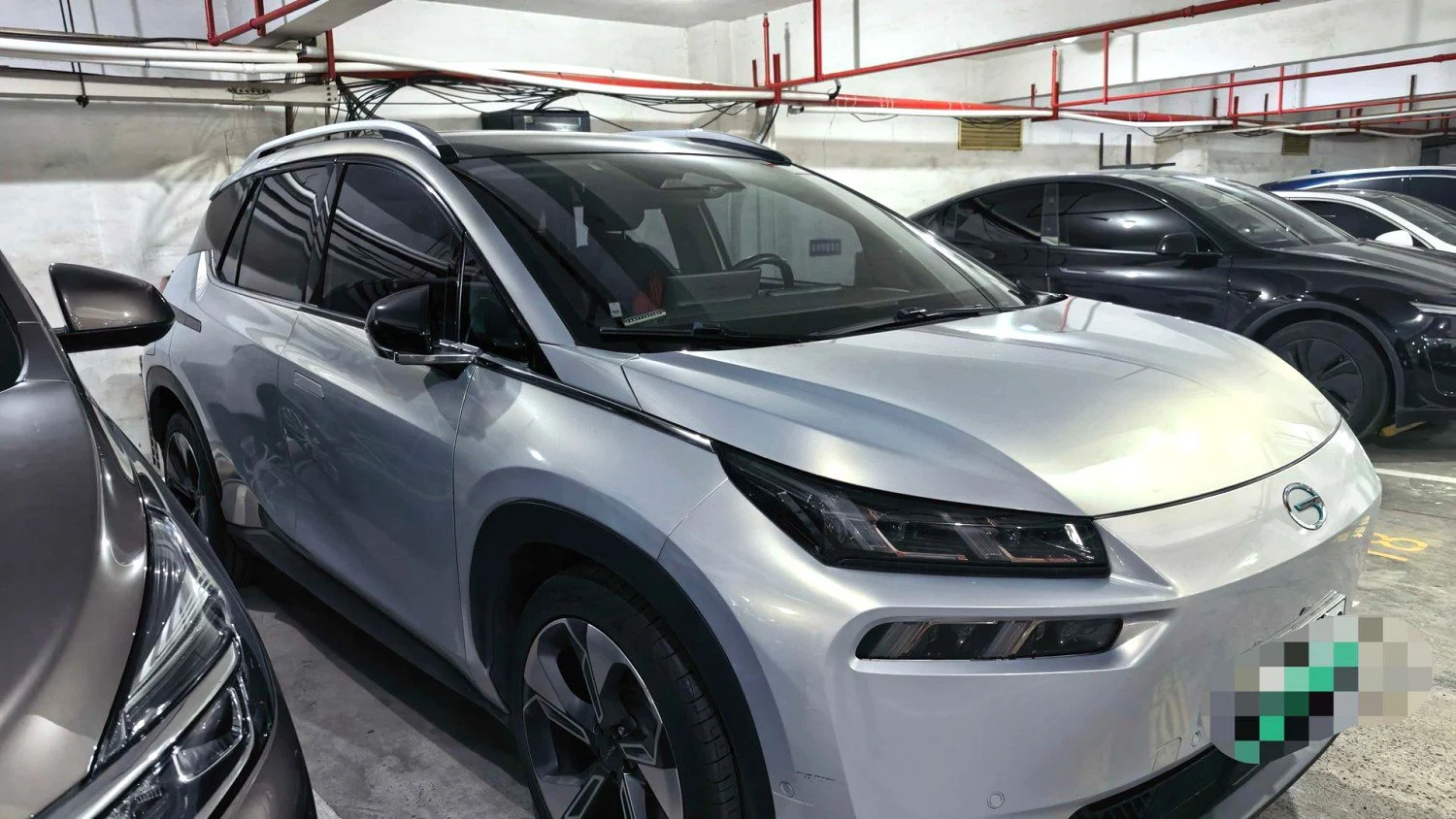
2022 GAC Aion V PLUS 80 Executive | Long Range EV – Super Value @ $28,800
- 2022
- 50,000 km
- Automatic
- Electric

2023 GWM Tank 400 Hi4-T 2.0T Ultra (408HP PHEV / 4WD) Off-Road Luxury SUV
- 2023
- 39,000 km
- Automatic
- Plug-in Hybrid
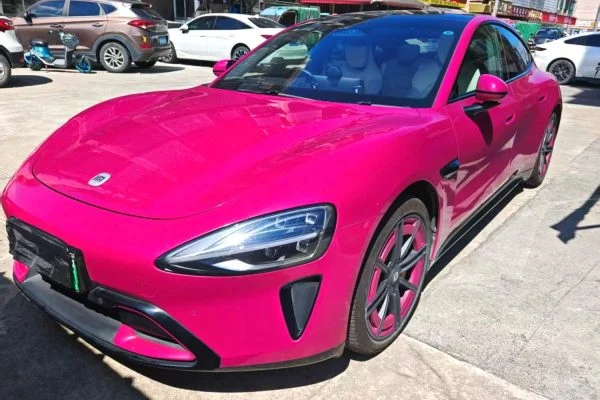
2024 Xiaomi SU7 Founder Edition RWD (299HP / 700km Range) Electric Sedan
- 2025
- 50,000 km
- Automatic
- Electric