









Range-Extender EVs From China: 2026 Export Guide
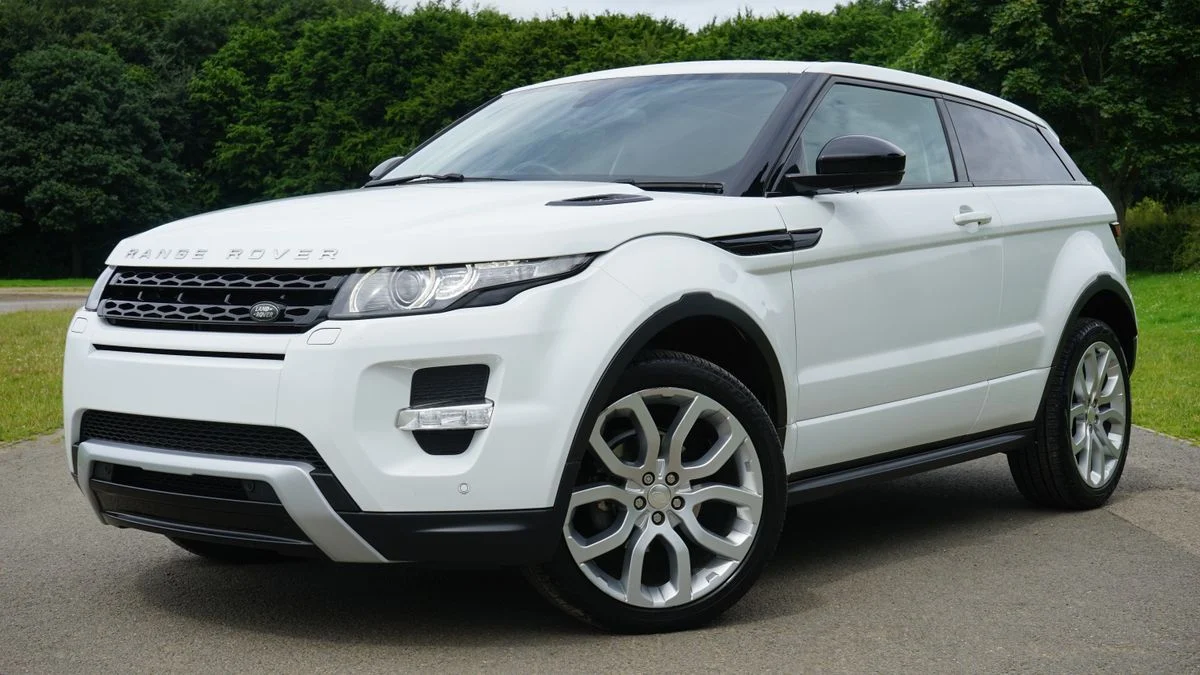
Chinese range-extender EVs (EREVs) like the Li Auto L6 Pro and AITO M7 Ultra combine a battery-electric drivetrain with a small petrol generator. Total range often exceeds 1,400 km, and they charge like an EV but refuel like a car. For export markets with thin charging networks, that combination is the whole appeal.
What exactly is an EREV?
An EREV is a vehicle that always drives its wheels with electric motors. The petrol engine is onboard only as a generator to recharge the battery, so it never drives the wheels directly. That distinction matters: an EREV feels like an EV to drive, with none of the charging anxiety on long trips.
The 2025 Li Auto L6 Pro Intelligent Renewal Edition is a strong example: 408 hp, all-wheel drive, and a 1,390 km combined range figure. The 2026 AITO M7 Ultra EREV pushes output to 449 hp and adds 192-line LiDAR for advanced driver assistance.
Why do EREVs export better than pure EVs?
- No charging dependency. Buyers in Africa, Central Asia and Latin America can run them on petrol today.
- Full-size SUV capability. EREVs are usually larger, higher-spec vehicles with better margins.
- Fewer range complaints. The generator removes the number-one objection to buying an EV abroad.
- Strong resale interest. Premium features keep demand up in the Gulf and Southeast Asia.
What do they cost and what specs matter?
| Model | Power | Battery | Combined range | Used price (FOB) |
|---|---|---|---|---|
| Li Auto L6 Pro | 408 hp AWD | 36.8 kWh | 1,390 km | $28,000-$34,000 |
| AITO M7 Ultra | 449 hp 4WD | REx, LiDAR | 1,200+ km | $32,000-$40,000 |
| Lynk & Co 07 EM-P | 408 hp PHEV | Plug-in hybrid | 1,450 km | $24,000-$30,000 |
Watch the battery size versus the generator. A 36.8 kWh pack gives roughly 180-220 km of pure electric range, enough for daily city driving on cheap electricity. Road trips then run on the generator. That split is what makes the math work.
What are the drawbacks?
Complexity. An EREV has both an electric system and a petrol engine, so there is more to maintain and more to go wrong. Fuel consumption when running on the generator is not great, often 7-9 L/100 km for a large SUV. Buyers who expected pure-EV running costs are sometimes surprised.
Service is the other issue. Few workshops outside China have experience with these hybrid systems, and diagnostic tools can be brand-locked. Buyers in markets with an official brand presence fare much better.
How should you evaluate a used EREV?
- Check battery state of health with a BMS scan, as with any EV.
- Test the generator under load; listen for unusual noise and check for exhaust issues.
- Verify the engine service history, since generators need oil changes too.
- Confirm the software region and whether ADAS features work locally.
- Get a third-party inspection covering both drivetrains.
Key Takeaways
- EREVs drive on electric motors with a petrol generator for backup, giving 1,400+ km total range.
- The Li Auto L6 Pro costs $28,000-$34,000 used FOB China in 2026.
- They suit markets with weak charging infrastructure and premium buyers.
- Expect higher fuel use and more maintenance than a pure EV.
- Inspect both the battery and the generator before buying.
Related Vehicles
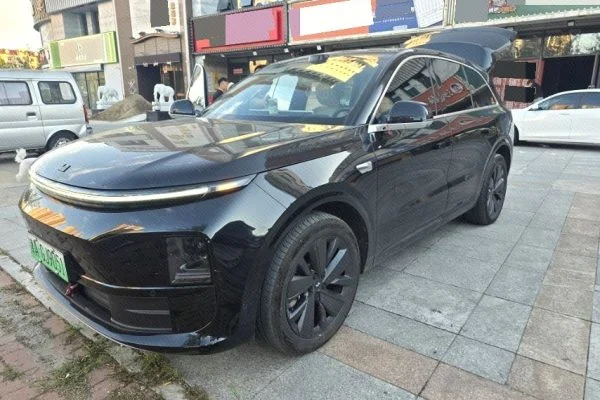
2025 Li Auto L6 Pro Intelligent Renewal Edition for Sale – 408 hp AWD EREV SUV, 1,390 km Range, Export Ready
- 2025
- 21,000 km
- Automatic
- Plug-in Hybrid
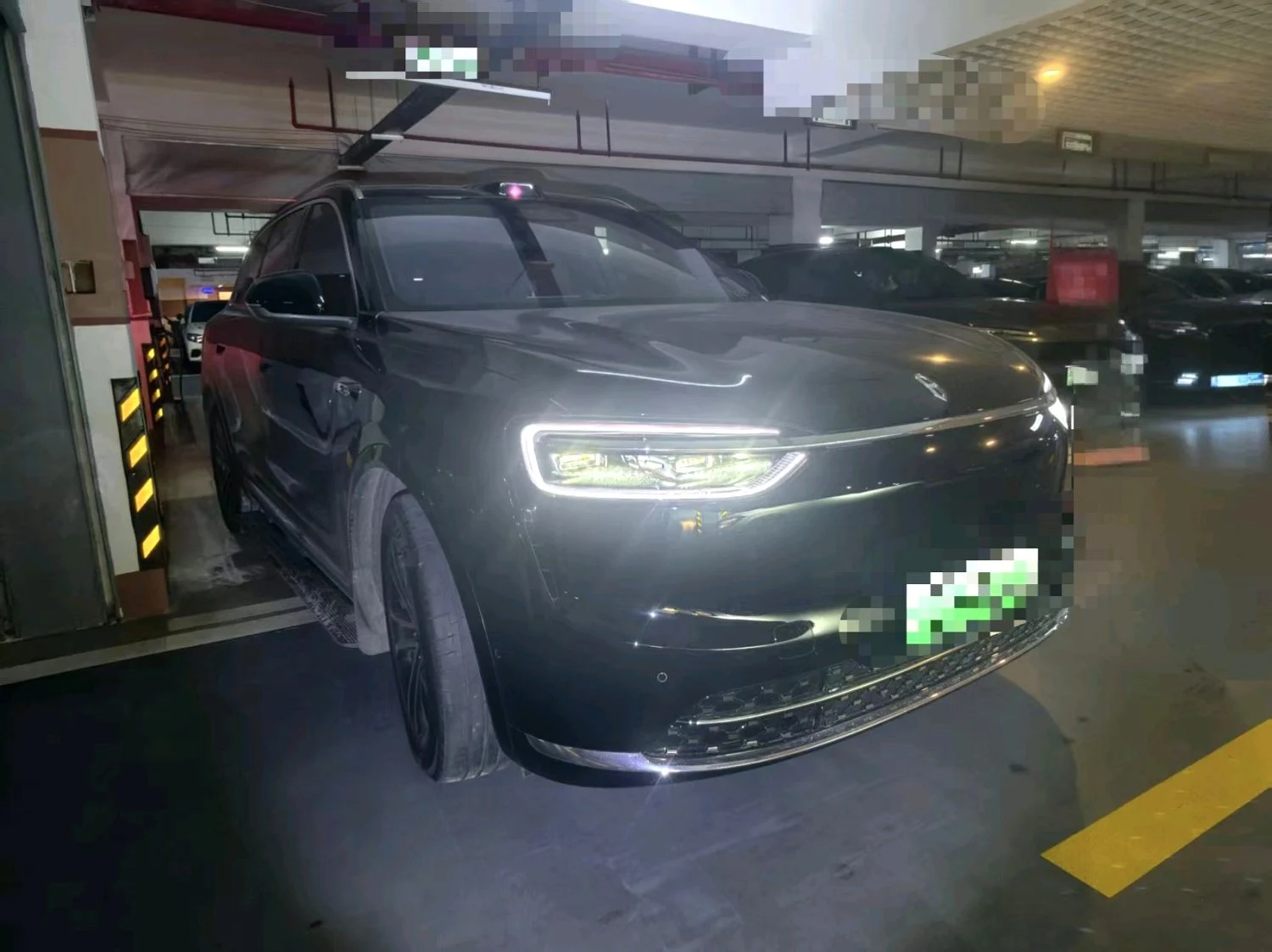
2026 AITO M7 Ultra EREV 4WD (449HP / 192-Line LiDAR) 5-Seater Luxury SUV
- 2025
- 4,000 km
- Automatic
- Plug-in Hybrid
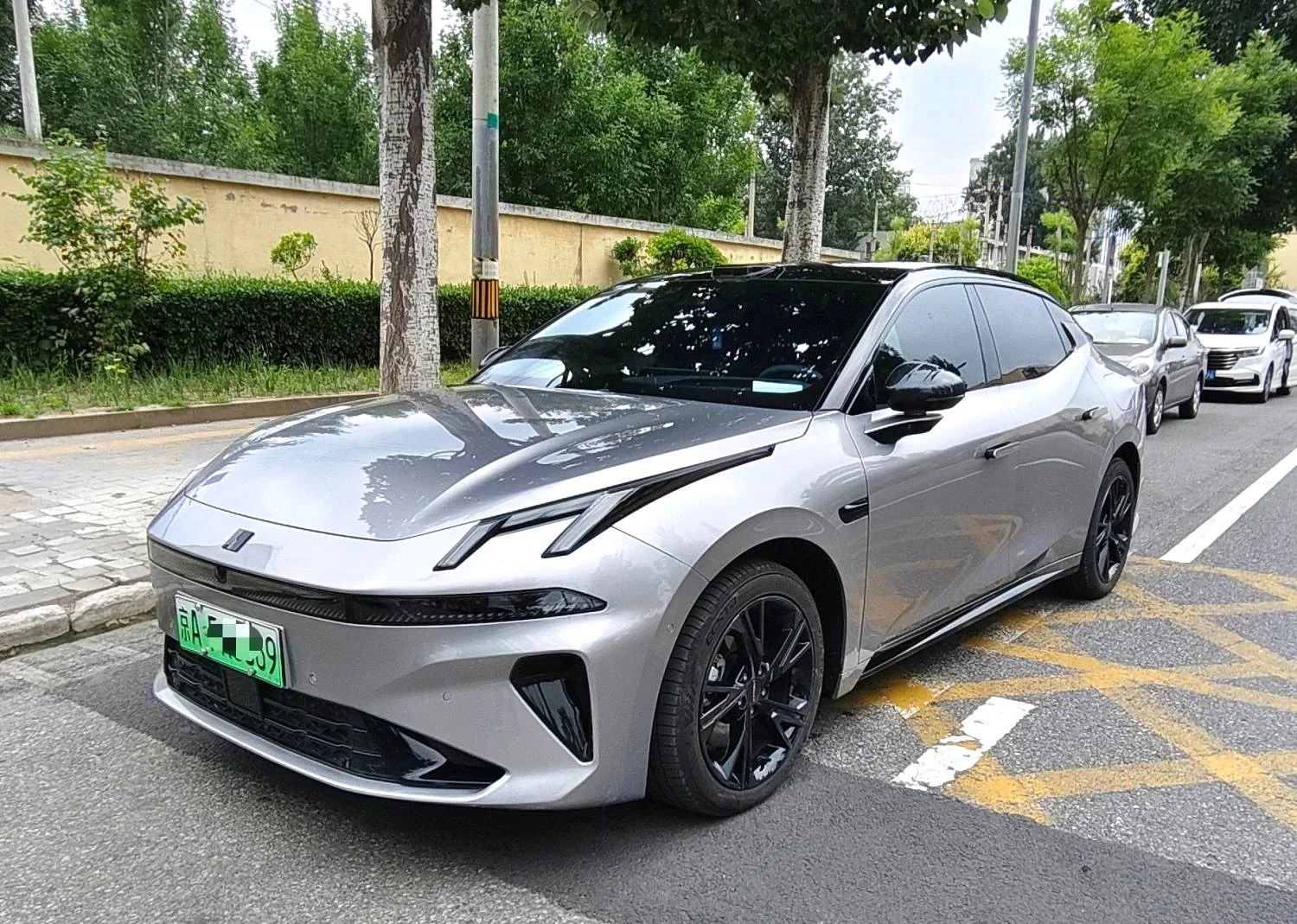
2026 Lynk & Co 07 EM-P 126 Ultra (408HP PHEV / 1450km Range) – Plug-in Hybrid Sedan
- 2026
- 13,000 km
- Automatic
- Plug-in Hybrid