









Low Mileage Used Electric Cars for Sale in 2026: Prices and Risks

Low mileage used electric cars for sale from China in 2026 carry a 6-12% premium over equivalent high-mileage cars, but battery state of health matters far more than the odometer. A 60,000 km car at 96% SOH beats a 20,000 km car at 89%.
The used EV market has an odd quirk. Odometer readings are the number buyers ask about first and the number least correlated with problems. Battery cycles, charging habits and climate do more damage than distance.
What counts as low mileage for a used EV in 2026?
Under 30,000 km is genuinely low for a car first registered in 2023 or later. Between 30,000 and 50,000 km is normal. Above 80,000 km you are in fleet-vehicle territory and should expect a price discount of 10-15%.
Chinese urban EV use is skewed. Many cars average under 10,000 km a year because they are second cars in two-car households. That is why real low-mileage stock exists here more than in most markets.
How much extra do you pay for low mileage?
Enough to notice, not enough to justify blind trust. A 2022 BYD Atto 3 510 km at 56,000 km listed around $13,800 sells alongside later-model, lower-mileage units at $15,500-$16,000. The 2023 BYD Song PLUS EV 520 km at 40,000 km is priced within $1,000 of higher-mileage equivalents because the pack is the same size.
In practice the premium tracks battery size more than odometer. A buyer will pay $2,000 more for 80 km of extra range and $800 more for 30,000 km less wear. That ordering is rational on an EV.
Which is worse for a battery, mileage or time?
Time, in most cases. LFP cells lose 1-2% of capacity a year through calendar aging even when barely driven. A three-year-old car with 15,000 km typically sits at 95-97% SOH — not 100%.
Add heat and it speeds up. Cars from southern provinces often show 2-3 points lower SOH than northern cars of the same age and mileage. Ask where the car was registered.
Fast charging is the third factor. 200 DC sessions a year will cost you 2-4 points over four years compared with AC-only charging.
What are the traps in a “like new” listing?
Odometer reset on 2019-2021 microcars is common enough to be a known problem. Cross-check the annual inspection record against the dash reading.
Second trap: a low-mileage car that sat unused for a year. Long storage at low state of charge damages LFP packs quietly — cell imbalance shows up as a voltage spread above 80 mV. Third trap: cars returned from ride-hailing fleets with the odometer reset and new seat covers.
When is paying the premium worth it?
When you plan to keep the car five years or more. The 8-10% extra you pay for a 20,000 km car buys roughly 70% fewer cycles in the first owner’s hands, and that shows up as 2-3 percentage points of SOH at year five.
When you are flipping the car in two years, skip the premium and buy mid-mileage with a strong battery report. Resale buyers in most markets price on year and range, not on odometer.
Which low-mileage models are easy to find in 2026?
Small cars dominate the low-mileage pool. Recent 2024 Wuling Bingo 333 km and 2024 Baojun Yep 303 km units regularly appear under 20,000 km because their owners drove them as shopping cars.
Low-mileage 2023 Tesla Model 3 Highland RWD cars are rarer and command real premiums — often 15% over high-mileage equivalents, because the buyer pool is larger and more price-insensitive.
What about low-mileage hybrid and PHEV listings?
Plug-in hybrids show up in the same searches and the rules differ. A {seal} with 49,000 km has a 17.6 kWh Blade pack and 121 km of electric range, and the petrol engine has done its own work.
On a PHEV, ask for engine hours and the electric-versus-petrol distance split. A car that ran 80% on petrol has a healthier battery than one that ran 100% electric and cycled 400 times a year. Counterintuitive, and true.
The 12-13% depreciation gap between low mileage and high mileage PHEVs is smaller than on pure EVs, because owners worry less about pack wear.
How do you verify a low odometer reading?
Three sources: the annual inspection record, the ECU-stored mileage via a diagnostic scan, and the seat and pedal wear visible in photos. All three should agree.
An inspection record showing 45,000 km while the dash reads 22,000 km is not a clerical error. Walk away, and report the listing.
Key Takeaways
- Low mileage used EVs from China carry a 6-12% premium in 2026.
- Under 30,000 km counts as genuinely low for 2023-and-later cars.
- Battery state of health beats odometer as a buying signal.
- Calendar aging costs 1-2% of capacity a year even on unused cars.
- The premium pays off over five years, not over two.
Related Vehicles
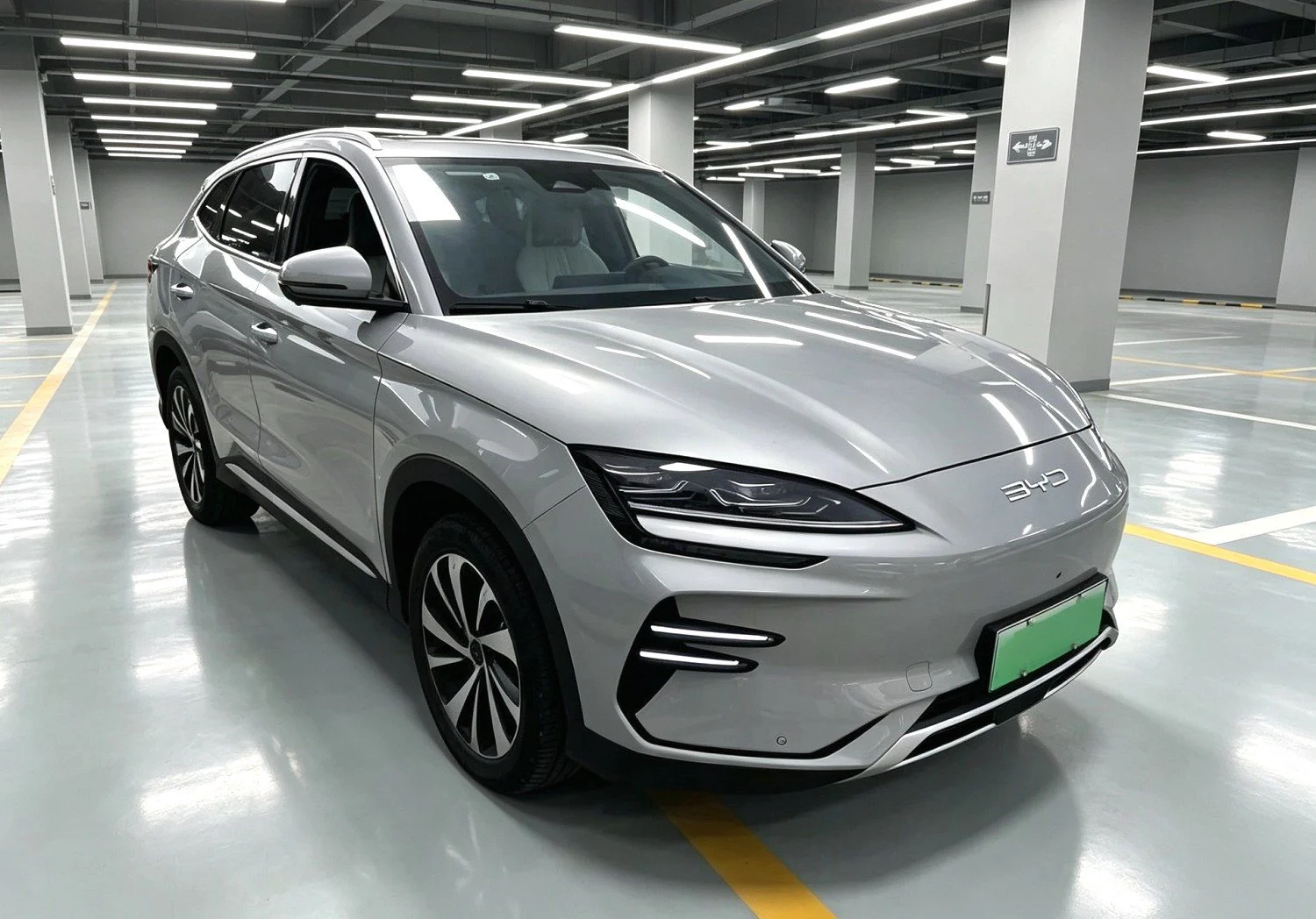
2023 BYD Song PLUS EV Champion Edition 520km Flagship (204HP FWD / Seal U) Electric SUV
- 2024
- 4,000 km
- Automatic
- Electric

2022 BYD Yuan PLUS (Atto 3) 510km Flagship (204HP FWD) Electric Compact SUV
- 2022
- 56,000 km
- Automatic
- Electric
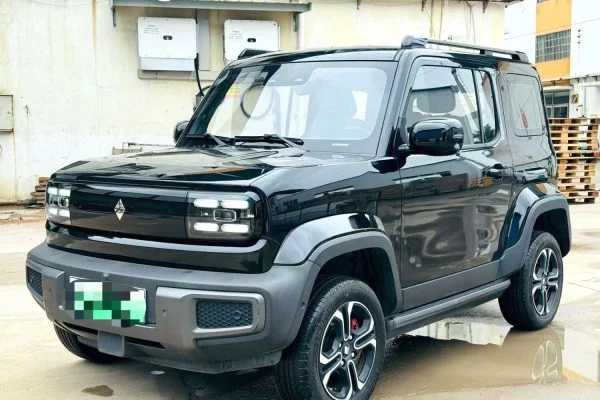
2024 Baojun Yep Zhizun Edition for Sale – 303 km Range, 68 hp EV, Export Ready
- 2024
- 15,000 km
- Automatic
- Electric

2024 Wuling Bingo (Binguo) 333km Enjoy Edition (50kW / 68HP) Electric Hatchback
- 2024
- 60,000 km
- Automatic
- Electric