









Is There Still a $7,500 Tax Credit for Electric Cars in 2026?

For US buyers, the $7,500 federal clean vehicle credit no longer applies to new or used EVs as of 2026. The point-of-sale credit that made so many 2023-2025 deals work has gone, and that changes how you should price a used EV.
If you are shopping from outside the US, this matters less directly — but it resets the global price of used EVs, because US demand for used stock has cooled.
What happened to the $7,500 EV tax credit?
The US credit was pulled for vehicles placed in service after September 2025. The separate $4,000 used clean vehicle credit, which required a sale price under $25,000 and income limits, also ended. So the “used EV is $4,000 cheaper than it looks” calculation that buyers used through 2025 is gone.
Other markets are moving the other way. Several European countries and Gulf states have kept purchase incentives or added import-friendly rules for used EVs.
Without the credit, is a used EV still worth it?
Yes, and the maths is simpler than people think. A used EV’s real advantage was never the credit — it was fuel and maintenance savings. A Tesla Model 3 Highland at around $23,000, for example, still costs a fraction of a petrol sedan to run: roughly $0.04/km on home charging versus $0.12/km on fuel.
Over 20,000 km a year, that gap is about $1,600. Two years of driving pays back a big chunk of the sticker.
Do Chinese used EVs qualify for any credits?
Under US rules, no — Chinese-built vehicles were already excluded from the credit even before it ended. In Europe, eligibility depends on the country, and a China-built EV usually faces standard import duty rather than a ban.
Where Chinese stock wins is raw price. A 2022 Tesla Model 3 RWD with 67,000 km lists near $16,500 FOB China. Even before any incentive, that undercuts most local used listings.
What should buyers do instead of chasing credits?
- Price the total cost over five years: purchase + charging + insurance + maintenance.
- Check local incentives — many are now on charging infrastructure, not the car.
- Compare a Chinese used EV against your local used market before assuming it is cheaper.
- Budget for a battery health check; it is the single biggest value variable.
Does the end of the credit kill used EV demand?
It trims it, especially at the premium end. Early 2026 US used EV prices softened by low single-digit percentages as the credit expired. That is a buyer’s market, not a collapse — and for export buyers it means more negotiating room on clean, low-mileage stock.
Key Takeaways
- The US $7,500 new-EV credit and $4,000 used-EV credit are gone for 2026 purchases.
- Chinese-built EVs were already ineligible for US credits before they ended.
- Used EV value now rests on fuel and maintenance savings, about $1,600/year for high-mileage drivers.
- Softer US demand in 2026 means better prices for export buyers.
Related Vehicles
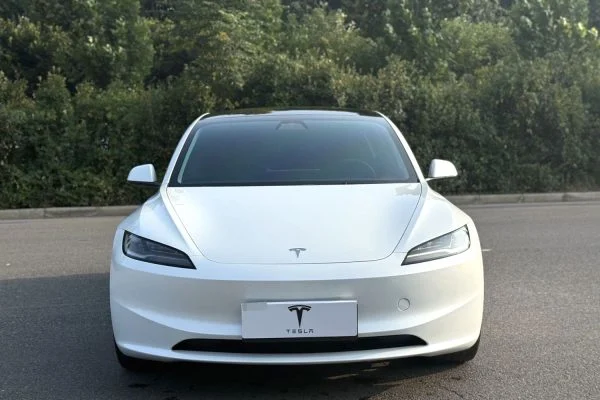
2023 Tesla Model 3 Highland RWD for Sale – 264 hp EV, 606 km Range, Export Ready
- 2024
- 60,000 km
- Automatic
- Electric
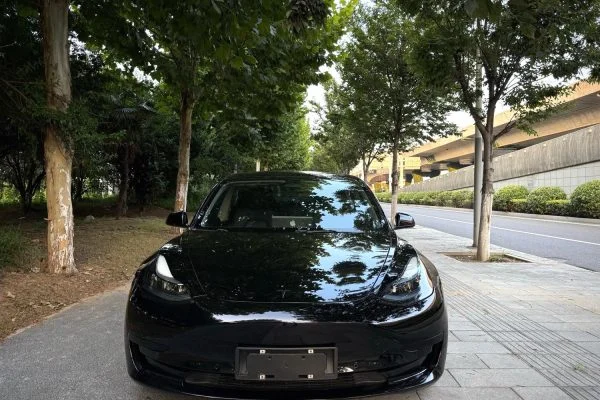
2022 Tesla Model 3 RWD for Sale – 67,000 km, Electric Sedan, Export Ready
- 2023
- 67,000 km
- Automatic
- Electric
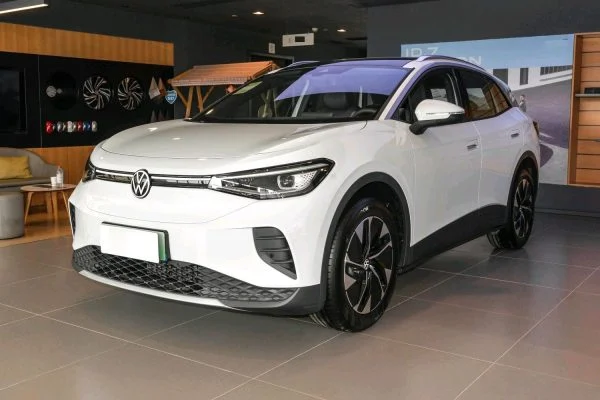
2025 Volkswagen ID.4 CROZZ Pure Edition for Sale – 170 hp Electric SUV, 442 km Range, Export Ready
- 2025
- 18,000 km
- Automatic
- Electric
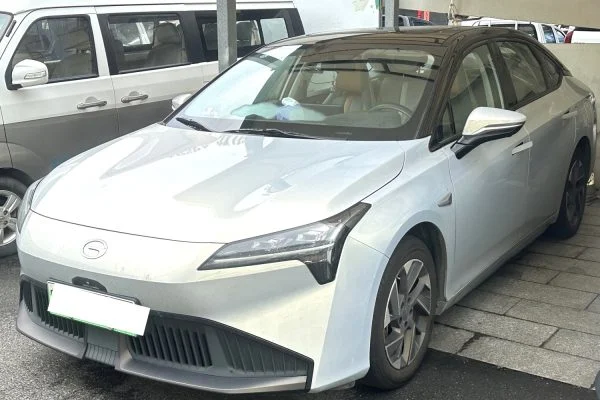
2023 GAC Aion AION S Plus 70 Enjoyment Edition for Sale – 204 hp EV, 510 km Range, Export Ready
- 2023
- 35,000 km
- Automatic
- Electric