









Importing a Used Chinese EV to the EU: 2026 Approval Rules

Importing a used Chinese EV to the EU normally requires a national individual vehicle approval, because Chinese-market type approval is not automatically recognised under the EU’s WVTA framework. Budget $800–$2,500 and 4–10 weeks per car for the process.
This is the gap between what exporters promise and what actually happens at a European registration office. A car that sailed smoothly to the Gulf can sit for months outside the EU. The rules are national, and they differ.
Why is Chinese type approval not enough for the EU?
The EU Whole Vehicle Type Approval system certifies a vehicle model against European standards. A car approved for the Chinese market has been tested against Chinese standards, which overlap but are not identical. So an individual approval route applies, country by country, to demonstrate roadworthiness and compliance.
Which EU countries are easier for used Chinese EVs?
There is no single answer, and rules move. Broadly, member states with established individual approval procedures and clear fee schedules are less painful than those where the process is opaque. Always confirm current requirements with the national authority before you buy. Treat any seller claiming “EU-approved, no paperwork needed” as misinformed or dishonest.
What will they actually inspect?
- Lighting, signalling and glazing conformity to EU standards
- Brake performance and emissions where applicable
- Charging connector type — Europe uses Type 2 and CCS2
- High-voltage system safety and battery documentation
- Vehicle identification and odometer verification
The charging connector point is practical, not theoretical. A car built with a Chinese GB/T charging port will not plug into European infrastructure without an adapter, and some national inspectors object to adapters on safety grounds. Convert the connector or accept the limitation, but decide before shipping.
Does the maths still work after approvals?
For a cheap car, sometimes not. Add approval cost, possible connector conversion, transport between test centres and the time the capital sits idle. On a 2024 Leapmotor T03 403 Comfort bought at $9,500, a $2,000 approval bill is a 21% add-on. On a higher-value EV the same fee is a smaller slice, which is why the EU market rewards more expensive Chinese EVs and punishes the cheapest ones.
A petrol car faces similar hurdles. A 2018 Volkswagen Magotan 330TSI still needs approval, though its conventional drivetrain avoids some of the high-voltage documentation an EV carries.
Who should target the EU, and who should not?
Target the EU if you have the patience, documentation skills and a higher-value car. Avoid it if you want fast turnover on cheap units — the Gulf, Africa and Latin America move far quicker with fewer paperwork headaches. Chasing the EU with sub-$10,000 cars is a good way to tie up capital for months.
Key Takeaways
- Chinese type approval does not satisfy EU WVTA; expect individual approval.
- Approval costs roughly $800–$2,500 and takes 4–10 weeks per car.
- Charging connectors must suit CCS2, possibly needing conversion.
- Approval economics favour higher-value EVs, not the cheapest ones.
Related Vehicles
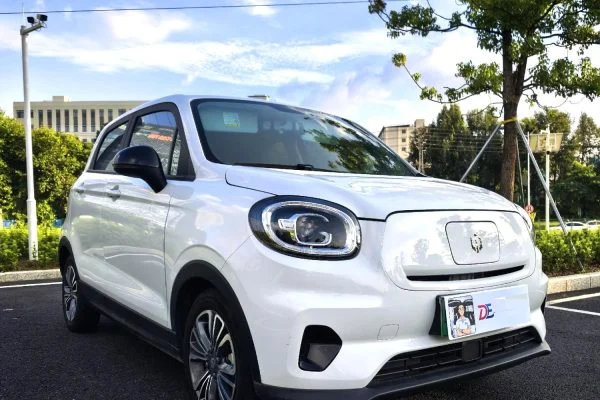
2024 Leapmotor T03 403 Comfort Edition for Sale – 109 hp EV, 403 km Range, Export Ready
- 2024
- 11,000 km
- Automatic
- Electric

2018 Volkswagen Magotan 330TSI Luxury Edition for Sale – 180 hp Turbo Sedan, 7-Speed DCT, Export Ready
- 2018
- 40,000 km
- Automatic
- Petrol