









Do Chinese Used EVs Have Good Resale Value in 2026?

Do electric cars have good resale? Generally no — and Chinese EVs are worse than most. A 2023 BYD Song PLUS EV that stickered at roughly $26,000 in China trades near $17,500 FOB in 2026, a 33% drop in three years. Tesla holds closer to 50%.
That is bad news if you bought new. It is the entire reason Chinese used EVs are cheap enough to be interesting in the first place. Depreciation is a cost to one buyer and an opportunity to the next.
How fast do Chinese EVs actually depreciate?
- Year 1: 25-30% loss. Steepest of any year, driven by new-car discounting inside China.
- Year 2: another 12-18%. Cumulative 40-45%.
- Year 3: another 8-12%. Cumulative 50-58%.
- Year 5: cumulative 65-72%. The curve flattens hard after year four.
Compare that with a Toyota RAV4 at 45-50% cumulative after three years, or a Tesla Model 3 at 50-55%. Chinese EV brands sit 10-15 points below both, mostly because their new-car prices kept falling.
Which Chinese EVs hold value best?
The pattern is consistent: high-volume models with LFP packs and a real export parts network hold best. Niche flagships with big NMC packs crater.
Holds best: BYD Song PLUS, BYD Atto 3, GAC Aion Y/V. These are fleet-proven, parts-rich and cheap to insure. A 2023 Song PLUS EV Champion at 33% loss in three years is about as good as Chinese EVs get.
Holds worst: flagship performance models. A 2022 Zeekr 001 that listed near $45,000 in China trades around $24,000 now — 47% in four years, and the depreciation keeps going because the 2024 refresh made the original look dated.
Why do Chinese EVs depreciate so fast?
Three forces, and only one of them is about the car.
New-car price wars. BYD cut prices on several models by 10-20% between 2023 and 2025. When a new car gets cheaper, the used one has to fall further. This is mechanical, not sentimental.
Battery uncertainty. Buyers discount for a pack they cannot verify. Every used EV carries a hidden $3,000-$8,000 risk premium, and it shows up as lower prices.
Brand churn. Chinese EV brands launch and discontinue models in 24 months. A discontinued model has no successor demand and a thin parts pipeline.
How should a buyer use this?
Buy at year three or four and let the previous owner absorb the cliff. From that point the curve flattens to 6-9% a year, which is close to normal car depreciation.
If resale matters to you — and it should if you trade every three years — buy the boring high-volume model. A Leapmotor C11 is more car for the money, but its resale in four years will be worse than the Song PLUS. That is the trade.
If you plan to keep the car six or more years, ignore resale entirely and buy the best car you can afford. Depreciation only matters at the moment you sell.
Key Takeaways
- Do electric cars have good resale? Chinese EVs lose 50-58% in three years, versus 45-50% for a Toyota RAV4.
- Year one is the steepest at 25-30%; the curve flattens to 6-9% a year after year four.
- High-volume LFP models like the Song PLUS and Atto 3 hold best; flagship NMC cars crater.
- New-car price wars inside China are the main driver, not battery quality.
- Buy at three to four years old and keep the car six years or more to neutralise depreciation.
Related Vehicles
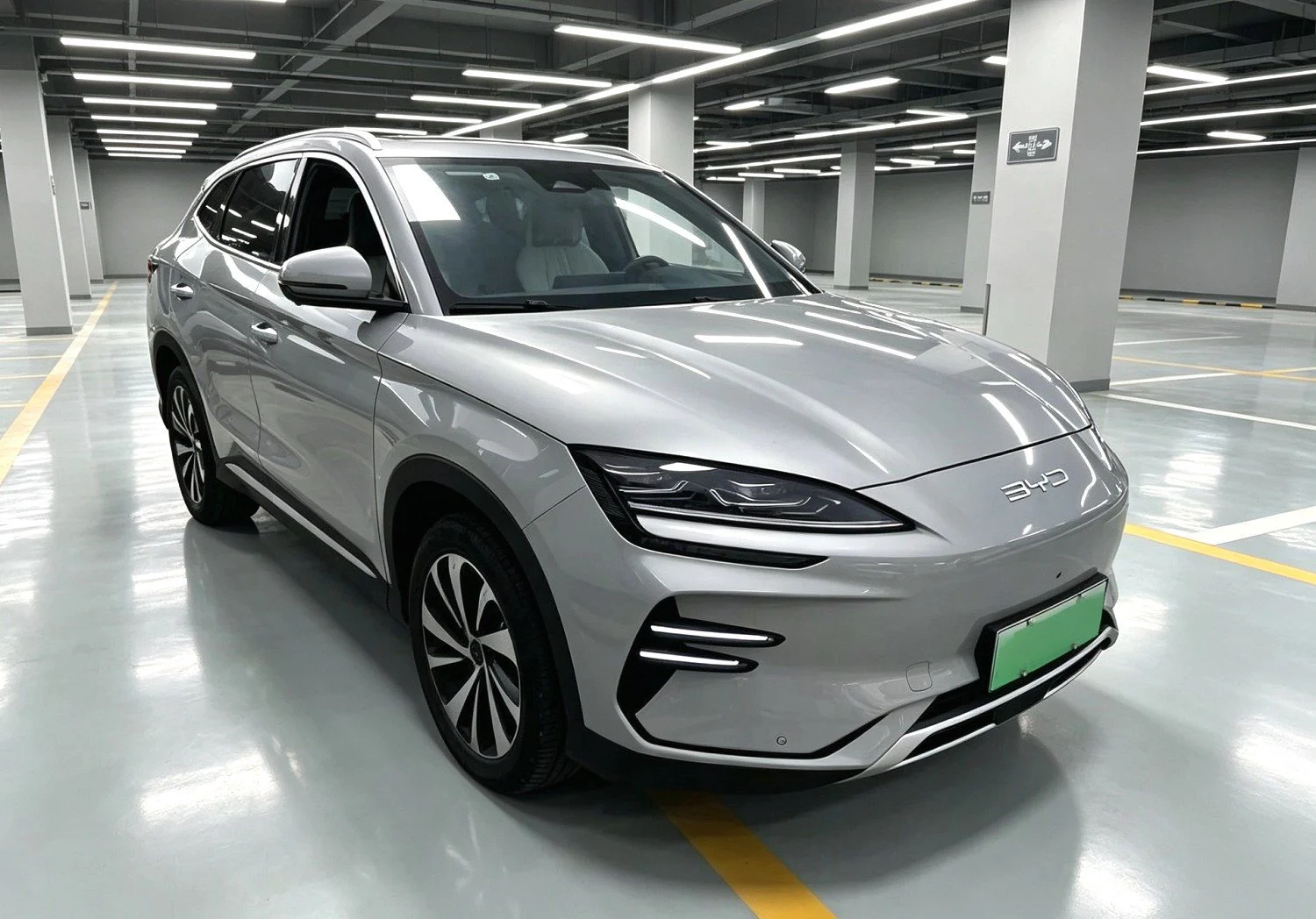
2023 BYD Song PLUS EV Champion Edition 520km Flagship (204HP FWD / Seal U) Electric SUV
- 2024
- 4,000 km
- Automatic
- Electric
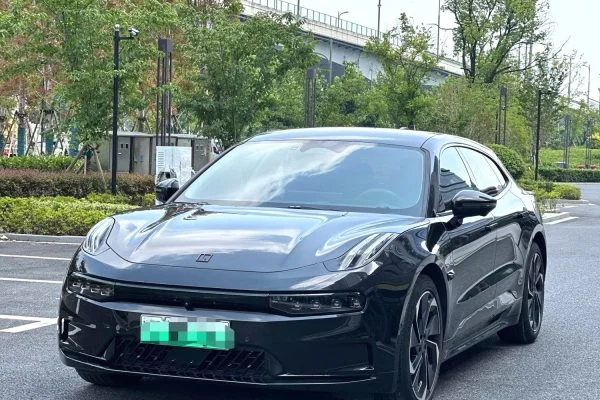
2022 Zeekr 001 Long Range Dual-Motor WE Edition for Sale – 544 hp, 536 km Range, Export Ready
- 2022
- 37,000 km
- Automatic
- Electric
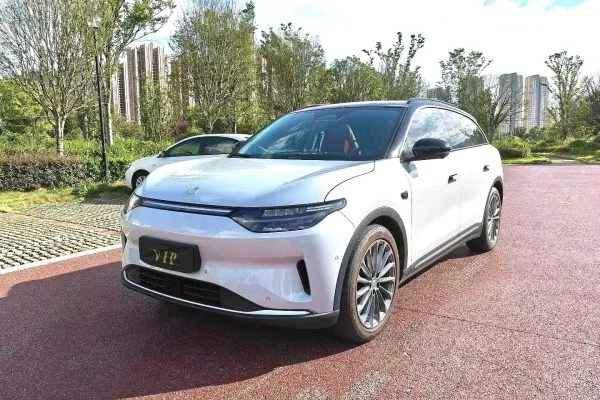
2024 Leapmotor C11 580 Premium Edition for Sale – 272 hp EV, 580 km Range, Export Ready
- 2024
- 21,000 km
- Automatic
- Electric

2024 XPENG P7+ Long Range Max (800V Platform / 615km Range) – AI Fastback Sedan
- 2026
- 16,000 km
- Automatic
- Electric