









China Used EV Exports in 2026: Data, Markets and Trends

China’s used EV export volumes rose again through 2026, with the Middle East, Southeast Asia, Latin America and Africa as the fastest-growing destinations, while average unit prices fell as smaller, cheaper models took share. The market is getting broader, not just bigger.
Two years ago the typical export was a mid-size SUV or a premium sedan. In 2026 it is just as likely to be a $10,000 city car. That shift tells you who is buying and why.
Which markets drive China’s used EV exports in 2026?
Four regions account for most volume. Each has a different appetite.
- Middle East — large SUVs and PHEVs, strong demand for the 2026 AITO M7 Ultra EREV class.
- Southeast Asia — city EVs and compact crossovers, price-sensitive.
- Latin America — LFP city cars, import-friendly rules in Chile and Peru.
- Africa — very price-sensitive, dominated by sub-$12,000 cars.
Europe is the slowest of the major destinations, constrained less by demand than by homologation. A car without the right certification does not enter, whatever it costs.
Are used Chinese EV prices still falling in 2026?
Yes, but the fall is flattening. Domestic Chinese used prices dropped sharply through 2024 and 2025 as new-car prices collapsed. By 2026 the decline has slowed to single digits for popular models, partly because export demand now absorbs supply.
High-end cars fell hardest. A used 2025 Zeekr 007 GT or a 2023 Li Auto L7 Max loses value faster than an entry-level car, because the buyers for premium used Chinese EVs abroad are a smaller group.
What is changing in buyer behaviour?
Buyers are more informed than they were two years ago. Requests for BMS reports, warranty clarity and after-sales plans are now standard. That is a healthy shift. It also means sellers who cannot document battery health are losing deals they would once have closed.
A second change: fleet buyers, not just individuals. Small logistics and taxi operators now import in batches of five to twenty, which shifts demand toward models with predictable parts supply.
What are the risks in this market?
Three stand out. Regulatory tightening in destination markets, as more countries set age caps and battery rules. Freight volatility, with EV RoRo capacity still tight. And brand consolidation, as weak Chinese EV makers exit and strand owners without parts.
For importers, the practical response is boring but effective: buy from brands with overseas support, document everything, and avoid makers at risk of disappearing.
Key Takeaways
- Middle East, Southeast Asia, Latin America and Africa lead 2026 export growth.
- Average unit prices fell as cheaper city cars took share.
- Domestic price falls have slowed to single digits for popular models.
- Premium used EVs depreciate fastest and have the thinnest overseas demand.
- Regulatory and brand-viability risk now matters as much as price.
Related Vehicles
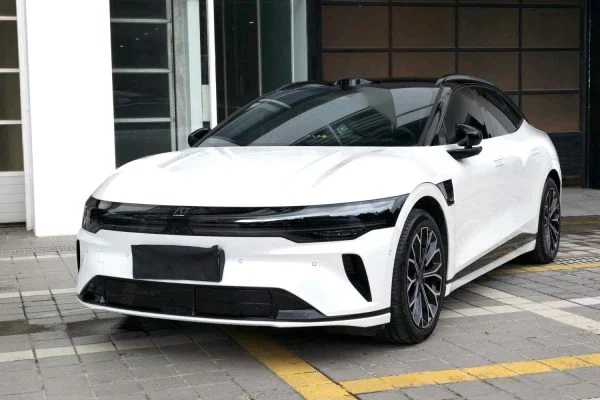
2025 Zeekr 007 GT RWD Smart Drive (422HP / 75kWh / 800V) Electric Sedan
- 2025
- 22,000 km
- Automatic
- Electric
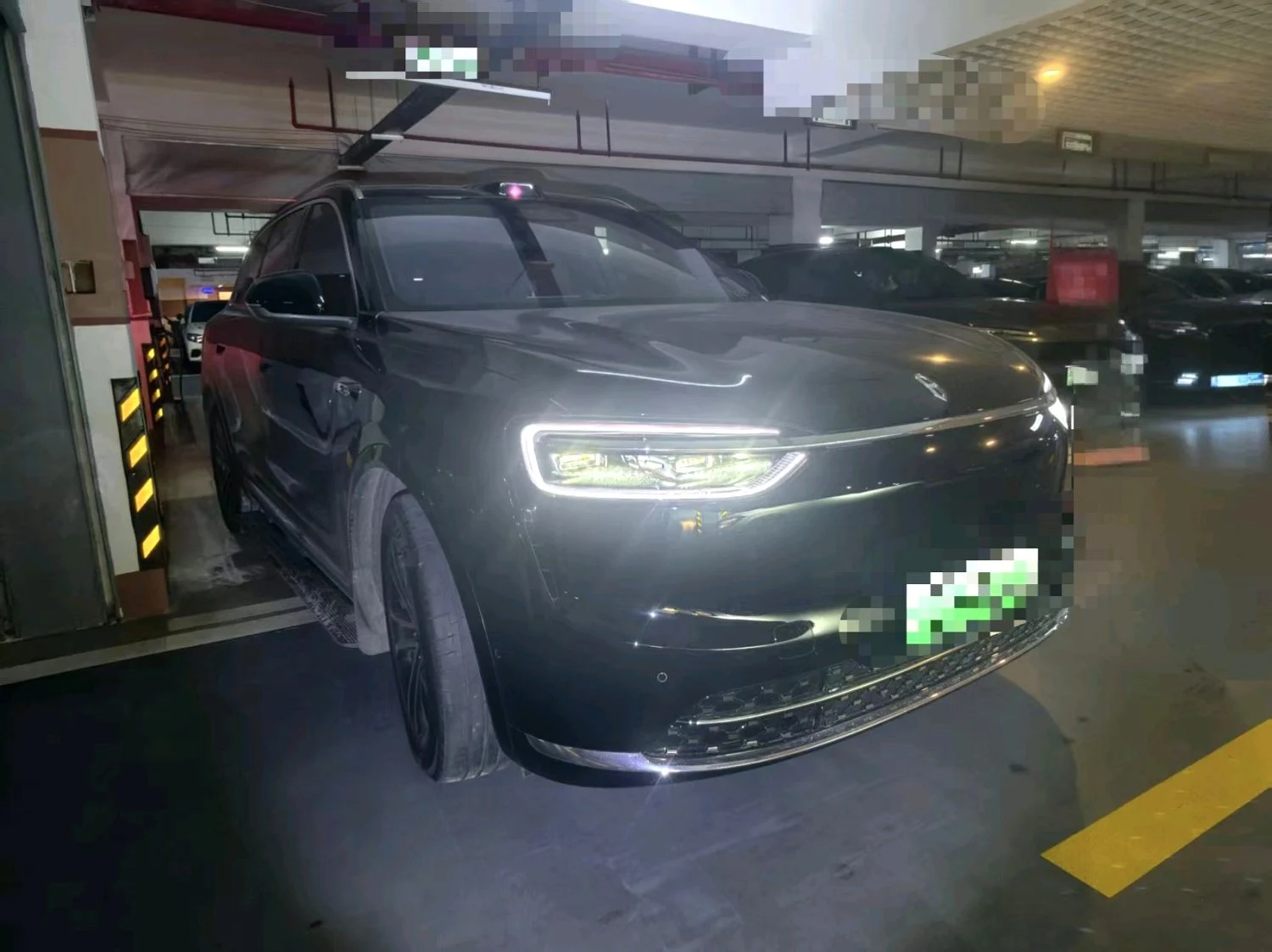
2026 AITO M7 Ultra EREV 4WD (449HP / 192-Line LiDAR) 5-Seater Luxury SUV
- 2025
- 4,000 km
- Automatic
- Plug-in Hybrid
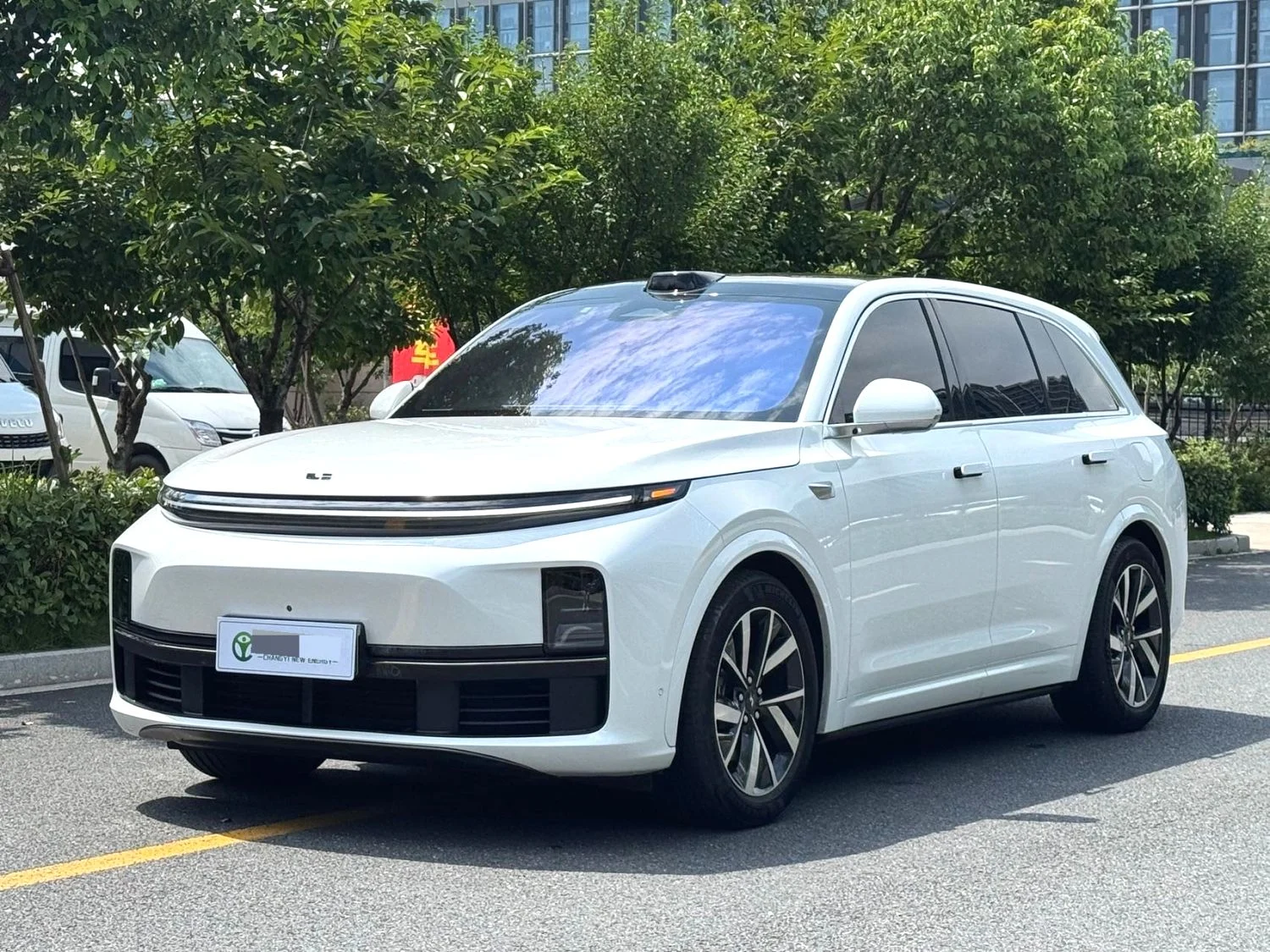
2023 Li Auto L7 Max AWD (449HP EREV / LiDAR & Air Suspension) Luxury 5-Seat SUV
- 2023
- 28,000 km
- Automatic
- Plug-in Hybrid