









How to Check a Used EV Battery in China Before Export

Before you export a used EV from China, demand a battery health report showing state of health (SOH) above 85% and a cell voltage spread under 0.05V. Anything worse and the pack is likely to lose real range within a year of arrival.
What does a good battery report look like?
A real report comes from the car’s BMS, not from a seller’s promise. It should list the pack SOH as a percentage, total charge cycles, the highest and lowest cell voltages, and the current state of charge. Ask for a screenshot with the VIN visible in the same frame. If the seller cannot or will not provide it, end the conversation.
- SOH above 90%: excellent, priced accordingly
- SOH 85-90%: normal for a 2-4 year old car, acceptable
- SOH 80-85%: discount hard, expect range loss
- Below 80%: avoid unless you plan a pack replacement
Why does cell voltage spread matter more than SOH?
Because a pack with one weak cell can read fine overall while failing badly in cold weather or under fast charging. A spread under 0.05V suggests a balanced, healthy pack. A spread of 0.15V or more points to a cell that is on its way out. Repairing that means opening the pack, which almost no market outside China has the skills to do affordably.
Small city EVs are the most exposed here. A Leapmotor T03 or BAIC BJEV EU300 uses a smaller pack, so a single degraded cell dents range more visibly than in a large SUV.
Should you care that it is LFP or NMC?
Yes, and for different reasons. Lithium iron phosphate packs, like the Blade battery in BYD models, degrade slowly and tolerate full charging. They also handle heat better, which suits Africa and the Middle East. NMC packs offer more energy per kilo but age faster and dislike sitting at 100% charge.
If the car will sit parked for weeks in a hot climate, an LFP car is the safer bet. That is one reason the BYD Seagull exports well despite its small size.
How do you verify mileage is genuine?
Cross-check three sources. First, the BMS charge-cycle count, which roughly maps to distance if you know the pack size. Second, the dealer service history or 4S store records, which are stored centrally in China and hard to fake. Third, a third-party inspection report such as those issued by Chinese vehicle appraisal firms.
Odometer fraud is less common on electric cars than on used petrol cars because the data is duplicated across modules. But it still happens on older models where a single instrument cluster replacement can reset the reading.
What warranty do you get after export?
Usually none. Chinese factory battery warranties are generally tied to the first owner and domestic usage, and most will not transfer to an overseas buyer. A handful of brands offer limited cross-border coverage, but you should assume zero and price accordingly.
That makes the pre-purchase battery check the single most important step in the whole deal. Budget for it, insist on it, and walk away if it is refused. A $150 inspection beats a $6,000 pack.
Key Takeaways
- Demand an SOH above 85% and cell spread under 0.05V.
- Get the BMS report with the VIN visible in the same image.
- LFP packs suit hot climates and age more slowly than NMC.
- Verify mileage against cycle count and dealer records.
- Assume no battery warranty survives export.
Related Vehicles
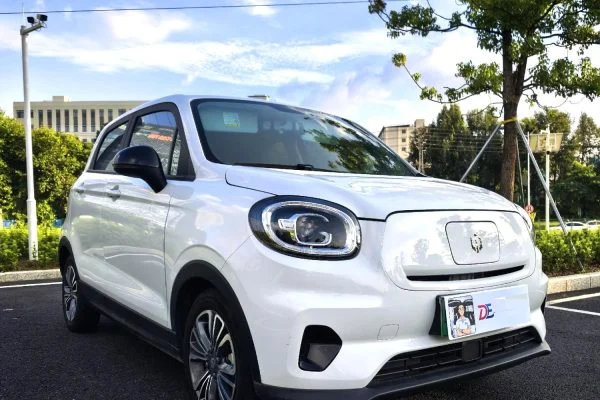
2024 Leapmotor T03 403 Comfort Edition for Sale – 109 hp EV, 403 km Range, Export Ready
- 2024
- 11,000 km
- Automatic
- Electric
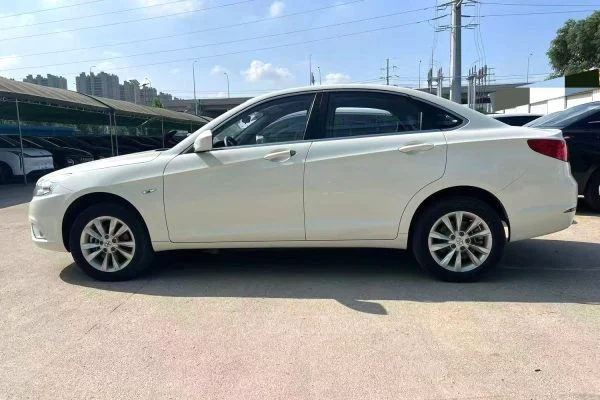
2019 BAIC BJEV EU300 EV for Sale – 136 hp Electric Sedan, 300 km Range, Export Ready
- 2021
- 51,000 km
- Automatic
- Electric
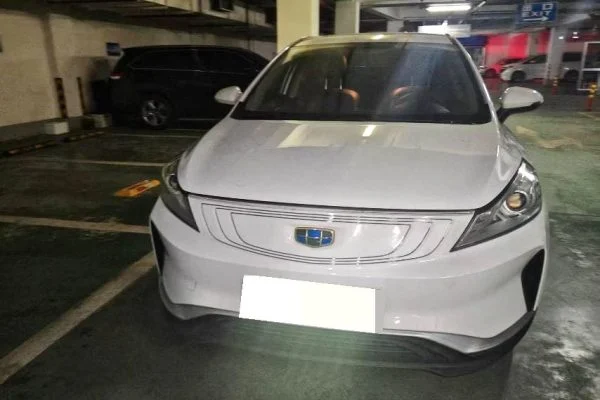
2019 Geely Emgrand GSe 500 Lingshang Edition for Sale – 163 hp EV, 400 km Range, Export Ready
- 2020
- 64,000 km
- Automatic
- Electric