









How to Check a Used Chinese EV Battery Before Export in 2026
Buyer rule for 2026: do not wire money for a used Chinese EV until you see a BMS state-of-health scan showing 88% or better. Below 85%, budget for a pack repair or walk away. This one report matters more than paint, mileage or trim.
Sellers know buyers cannot easily verify a battery from photos. That asymmetry is where deals go wrong. A car can look perfect and still hide a weak module.
What is battery state of health?
State of health (SOH) is the current usable capacity of a battery expressed as a percentage of when it was new. A 60 kWh pack rated at 95% SOH still delivers about 57 kWh. The BMS — the battery management system — calculates this and exposes it through a diagnostic tool. SOH is not shown on the dashboard. You need a dealer-level scanner or the car’s service app.
How do you get a real battery report?
For LFP packs like those in BYD and Geely models, degradation is slow and predictable. The 2025 Li Auto L6 Pro runs an extended-range setup, so its battery cycles less than a pure EV’s and tends to age better. EREVs and PHEVs like the 2024 Li Auto L6 Pro and the 2022 BYD Han DM-i put more load on the engine over time, so check engine hours too — those are often omitted.
What claims should you distrust?
“Range like new” means nothing without a number. Sellers also quote CLTC range as if it were real-world. Expect 20-25% less in mixed driving. And be wary of cars sold with a “new battery” that lack the replacement invoice — a cheap third-party pack can be worse than the original.
If you cannot get a scan, the honest move is to price the risk in: subtract $4,000-$7,000 from market for the possibility of a pack repair. Buyers who skip this step are the ones who post angry threads six months later.
Key Takeaways
- Require a BMS scan showing 88% SOH or higher before paying.
- Check cell voltage spread — above 0.05V signals imbalance.
- Treat CLTC range as optimistic; subtract 20-25% for real use.
- No scan means pricing in $4,000-$7,000 of risk, or walking away.
Related Vehicles
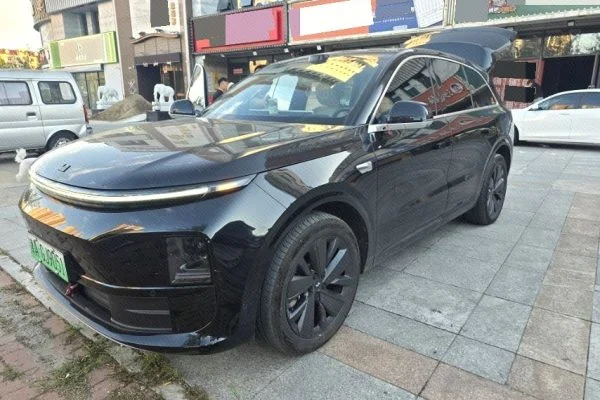
2025 Li Auto L6 Pro Intelligent Renewal Edition for Sale – 408 hp AWD EREV SUV, 1,390 km Range, Export Ready
- 2025
- 21,000 km
- Automatic
- Plug-in Hybrid
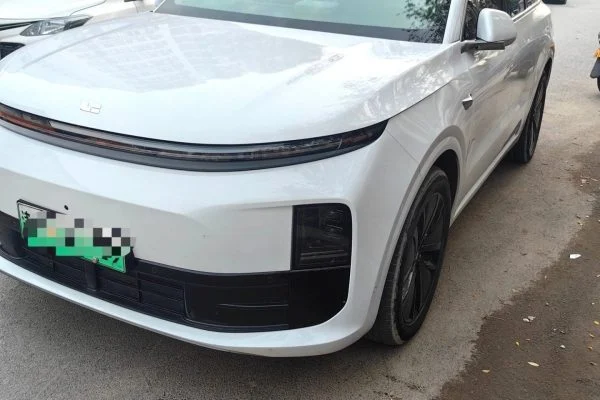
2024 Li Auto L6 Pro for Sale – 408 hp AWD EREV SUV, 36.8 kWh, Export Ready
- 2024
- 16,300 km
- Automatic
- extended-range
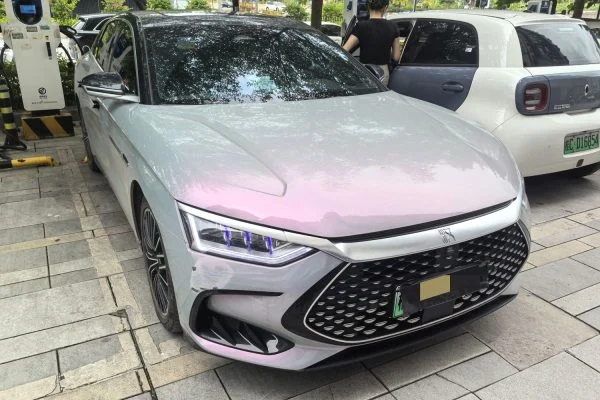
2022 BYD Han DM-i 121KM Premium Edition for Sale – 197 hp PHEV, 121 km EV Range, Export Ready
- 2022
- 50,800 km
- Automatic
- Plug-in Hybrid