









Cheapest Used Electric Cars for Sale in 2026: Top 4

The cheapest used electric cars for sale in 2026 start at about $3,500 FOB China for a 2021 Wuling Hongguang MINI EV. The four worth knowing are the Wuling MINI EV, Baojun E200, Changan Lumin and BYD Seagull — the last of which reaches 305 km on a Blade battery for under $8,000.
Cheap does not mean equal. These four cars sit in the same price band and are nothing alike in what they can do.
Which one is genuinely the cheapest?
The 2021 Wuling Hongguang MINI EV Macaron Sandwich, at $3,500-$4,500 FOB. 27 hp, rear-wheel drive, 9.3 kWh usable and a 120 km NEDC range claim. In traffic it is fine. Above 70 km/h it is loud, twitchy and out of its depth.
About 1.5 million of these exist in China, which is the real reason to consider one: parts cost almost nothing and every workshop in a Chinese export hub has seen one. Whether that helps you in Lagos or Lima depends on your local parts chain.
How do the four compare on numbers?
| Model | Battery | Power | Rated range | Real range | FOB |
|---|---|---|---|---|---|
| Wuling Hongguang MINI EV 2021 | 9.3 kWh | 27 hp | 120 km | 85-95 km | $3,500 |
| Baojun E200 2020 | 28 kWh | 39 hp | 305 km NEDC | 190-220 km | $5,000 |
| Changan Lumin 301 2022 | 27.99 kWh LFP | 48 hp | 301 km CLTC | 200-230 km | $6,000 |
| BYD Seagull 305 2025 | 30.08 kWh Blade | 75 hp | 305 km CLTC | 220-250 km | $8,000 |
Is the cheapest one ever the right answer?
Rarely, when shipping is factored in. A $3,500 car and an $8,000 car cost roughly the same to move and to clear customs — around $900-$1,400 in freight plus insurance and compliance. That fixed cost punishes the cheapest vehicle hardest. The MINI EV ends up costing a bigger share of its own price in logistics than any other car here.
The BYD Seagull 305km Freedom Edition is the better buy for most people: 75 hp instead of 27-48, a Blade LFP pack that degrades slowly, and a brand with an actual international service footprint. It costs $4,500 more and is worth considerably more than that.
What do these cars cost to run?
Charging a 30 kWh pack costs $3-$5 at typical residential rates, which works out around $1.50-$2.50 per 100 km. Servicing is minimal — no oil, no filters. Where the cheap end bites is tyres and suspension: small Chinese city cars eat bushings on rough roads, and the imported spares take weeks.
Battery replacement is the existential risk. A 28 kWh LFP pack, if you can source one, runs $2,500-$4,500 fitted. On a $5,000 car that is a write-off decision. This is why the battery report matters more than the paint.
Who are these cars actually for?
- Fleet and delivery operators doing fixed 40-80 km routes — perfect fit for all four
- Second-car households in dense cities, where parking is the constraint
- Campus, resort and airport shuttles that never see a highway
- Anyone with a 150 km daily commute — buy the Seagull or step up a budget tier
What is the short version?
If you only have two minutes: the cars worth your time are LFP-battery models under four years old with local parts support, and the single number that decides a good deal from a bad one is battery state of health. Anything above 90 percent is a normal used car. Anything below 85 percent needs a discount large enough to pay for a replacement pack, and those are rare. Everything else is trim, mileage and paint.
Key Takeaways
- Cheapest used EV from China in 2026 is the Wuling MINI EV at ~$3,500 FOB.
- Real range is 70-80 percent of the rated figure on all four cars.
- The BYD Seagull at ~$8,000 is the best value despite not being cheapest.
- Freight and compliance costs the same for a $3,500 car as an $8,000 one — factor that in.
Related Vehicles
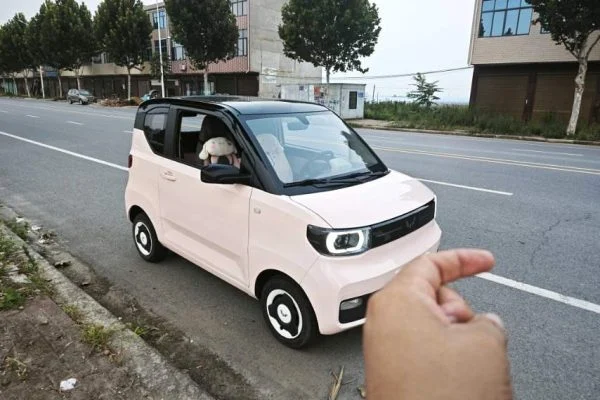
2021 Wuling Hongguang MINI EV Macaron Sandwich 120km (27 HP / RWD) – Compact City EV
- 2022
- 23,000 km
- Automatic
- Electric
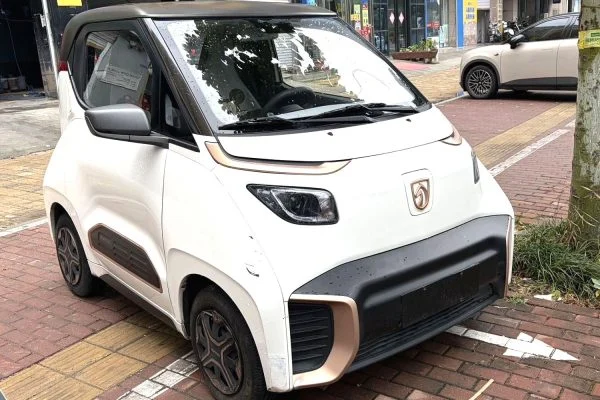
2020 Baojun E200 305km Zhixing Edition for Sale – 39 hp EV, 305 km Range, Export Ready
- 2021
- 25,000 km
- Automatic
- Electric
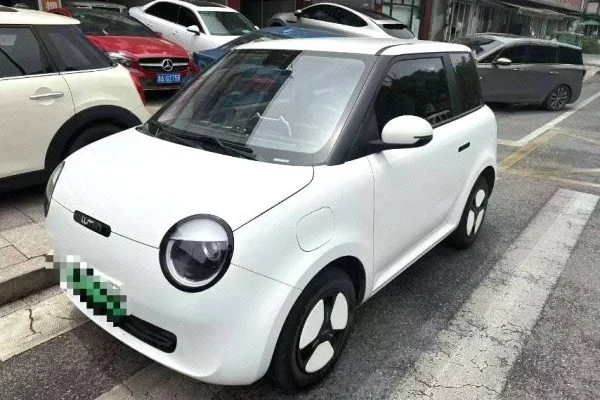
2022 Changan Lumin 301km Mitian Edition (35kW / 48HP) Mini Electric City Car
- 2022
- 18,000 km
- Automatic
- Electric
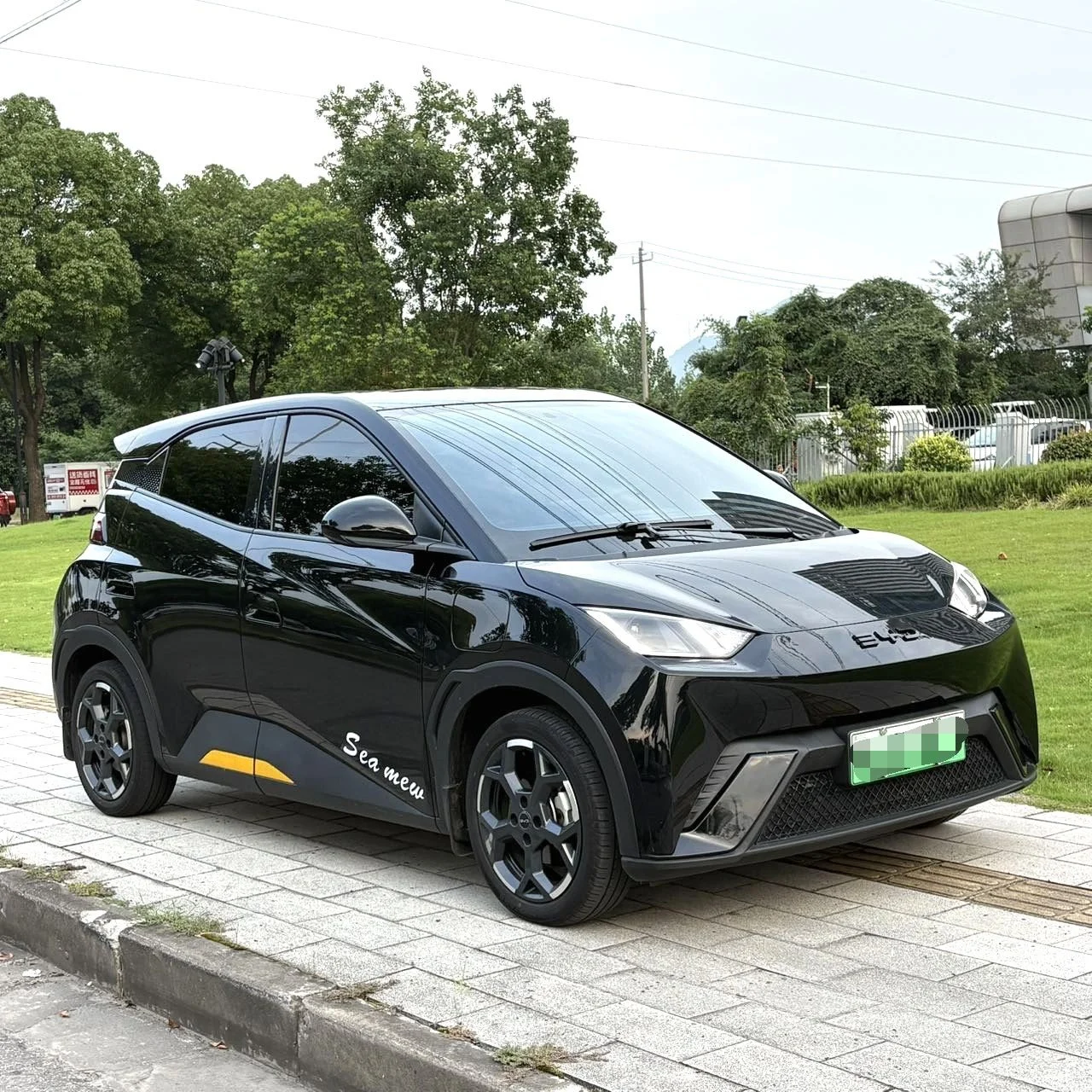
2025 BYD Seagull (Dolphin Mini) 305km Freedom Edition – Compact City EV | Ready to Ship
- 2024
- 35,000 km
- Automatic
- Electric