









Cheapest Used Electric Cars for Sale: Real 2026 Price List

The cheapest used electric cars for sale out of China in 2026 start at $6,200 for a 2021 Wuling Hongguang MINI EV and reach $9,600 for a 2023 BYD Seagull with 305 km of range, all before shipping. Five models fill that gap, and the price spread is smaller than the capability spread.
Cheapest is not the same as best value. Two of these five are genuinely good cars; the other three are compromises worth knowing about before you wire money.
What is the price list for 2026?
FOB China, private-sale and small-lot asking prices as of October 2026. Add $1,500-$3,000 for freight, insurance and documentation.
- 2025 Geely Panda Mini EV – 2025 Geely Panda Mini, 210 km, 22 kW fast charge. $6,900-$8,200.
- 2024 Wuling Bingo EV 203km Light Edition – 2024 Wuling Bingo 203 km, 30 kW, DC fast charging. $7,200-$8,600.
- 2022 Changan Lumin 301 km, 48 hp. $7,300-$8,700.
- 2023 BYD Seagull Vitality Edition 305km EV – 2023 BYD Seagull 305 km, 13,000 km. $8,400-$9,600.
- 2024 Wuling Bingo – 2024 Wuling Bingo 333 km, 68 hp. $8,800-$10,200.
The Seagull and the 333 km Bingo are the two that behave like real cars. The other three are short-hop machines, and that is reflected in what owners report after a year.
What sets the floor price?
Three forces. Fleet turnover puts 24-36-month-old city cars on the market in volume. Depreciation on small Chinese EVs runs 25-35% over two years, steeper than petrol hatchbacks. And a micro car without EU type approval has no export premium, so its price stays at domestic scrap-plus levels.
That last point matters more than most buyers realise. A Panda Mini cannot be registered in Germany or France without national approval costing more than the car. In markets with lighter rules – much of Africa, Central Asia, the Middle East, parts of Latin America – it slots in easily.
Should you buy the cheapest or the best-value car?
Best value, and here the gap is clear. Going from $7,000 to $8,900 buys an extra 95 km of range, a Blade LFP pack with a proper warranty structure, and a parts channel that reaches outside China.
Going from $8,900 to $9,600 buys the Bingo’s extra door and rear seat. Worth it if you carry passengers regularly. Not worth it if the car is a one-person commuter.
What are the hidden costs after purchase?
- Home charging setup: $300-$900 for a wallbox and wiring, if you can install one at all.
- Tyres and suspension: small EVs wear front tyres fast; budget $280-$420 in year two.
- Software and connectivity: some exported units lose their connected-car app; the hardware stays, the service does not.
- Insurance: often higher than a petrol car of the same value because repair estimates are uncertain.
Insurance is the item that surprises buyers. In markets without a repair network for the specific model, insurers write conservative total-loss thresholds, which quietly pushes premiums up 20-30%.
Which one would I buy?
The BYD Seagull at $8,900. It is the cheapest car here that does not feel like a toy: 305 km CLTC (240-255 km real), 30 kW DC charging, four seats, and a pack that still reads 93-95% health at two years.
The honest downside: it is small, it is slow above 90 km/h, and the ride is firm on broken roads. If any of those matter, spend $3,000 more on a used Atto 3 or Dolphin instead of buying cheap twice.
Key Takeaways
- Cheapest 2026 used EVs from China: $6,200-$9,600 across Panda Mini, Bingo, Lumin and Seagull.
- The BYD Seagull at about $8,900 is the best value in the bracket with 305 km CLTC.
- Small EVs lose 25-35% of value in two years, which is what created this price floor.
- Micro cars lack EU type approval, so they suit Africa, Central Asia and Middle East markets best.
Related Vehicles
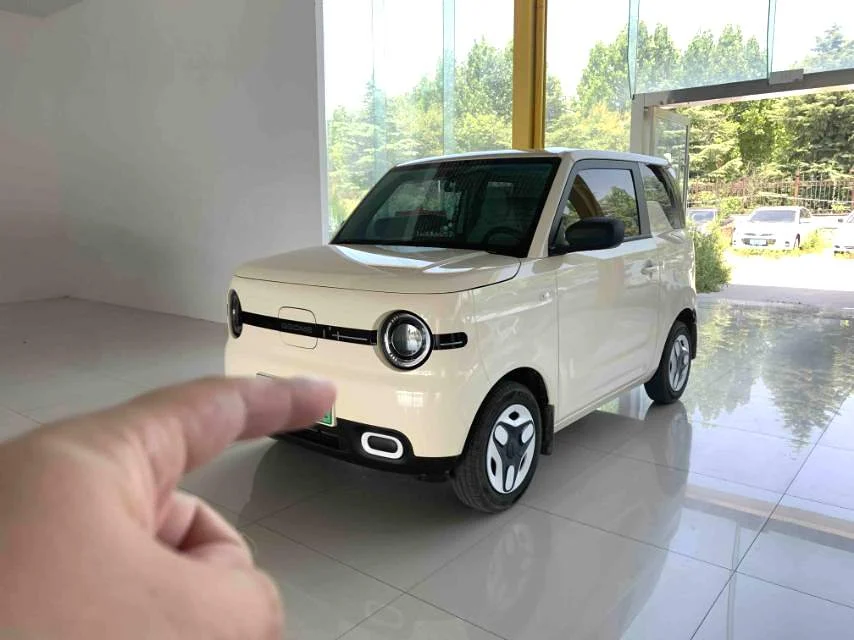
2025 Geely Panda Mini EV (210km Range / 22kW Fast Charge) Electric City Car
- 2025
- 9,000 km
- Automatic
- Electric

2024 Wuling Bingo EV 203km Light Edition (30kW FWD / DC Fast Charging) City Hatchback
- 2025
- 4,000 km
- Automatic
- Electric
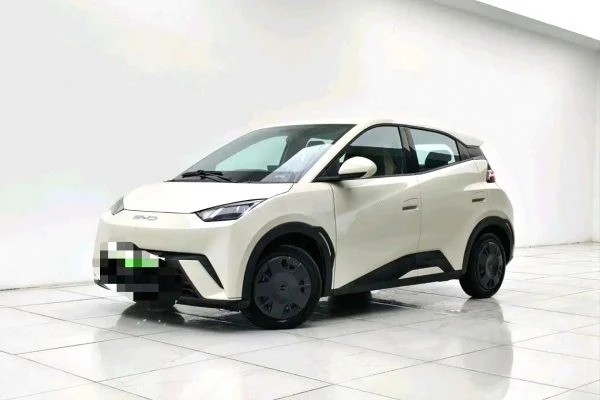
2023 BYD Seagull Vitality Edition 305km EV (75 HP / FWD) – 13,000 km Like-New
- 2024
- 13,000 km
- Automatic
- Electric

2024 Wuling Bingo (Binguo) 333km Enjoy Edition (50kW / 68HP) Electric Hatchback
- 2024
- 60,000 km
- Automatic
- Electric