









Cheapest Used Electric Cars for Sale in 2026: The $5,500 Floor

The cheapest used electric cars for sale out of China in 2026 start at about $5,500 FOB, for a 2022-2025 mini hatchback with 200-300 km of rated range and under 30,000 km. That price is the car only. Shipping adds $1,200-$2,500 and duty is on you.
Below $5,000 you are not buying a cheap EV. You are buying someone else’s battery problem, or a car that has been in an accident and repaired for export.
What sits at the bottom of the market?
Four models keep showing up. They are all Chinese-domestic microcars, roughly 3.0-3.6 m long, seating four, with 17-42 kWh of LFP capacity:
- Changan Lumin 301 km – 27.99 kWh, 48 HP, 18,000 km. About $5,800-$6,800.
- Geely Panda MINI 210 km – 17.03 kWh, 41 HP, 4,000 km. About $5,500-$6,200.
- Wuling Bingo 203 km – 30 kW, DC fast charging, about $5,800-$7,000.
- BYD Seagull 305 km – 30.08 kWh Blade, 75 HP. About $8,000-$9,500 – the first car in the list that feels like a real car.
Why is the floor at $5,500 and not $2,000?
Because a used LFP battery has scrap value. A 17-30 kWh pack is worth roughly $800-$1,800 as recycled material in China, and no seller will part with a working car for less than the pack is worth. That effectively sets a hard floor at $4,500-$5,500 for anything with a functioning battery and a clean registration.
Anything advertised under that is one of three things: a car with a failed pack, a car with a rebuilt title, or a scam listing that wants a deposit before “inspection”.
What do you give up at the bottom?
Speed and safety margin, mostly. A Panda MINI with 41 HP takes around 15 seconds to reach 100 km/h – if it reaches it at all. Top speed is limited to roughly 100 km/h, and the body has no meaningful crumple structure compared with a proper passenger car.
You also give up noise isolation and, on some models, air conditioning performance in 40°C heat. For city work at 40-60 km/h these cars are fine. As a family’s only vehicle on open roads, they are a compromise I would not recommend.
Is the cheapest car actually the cheapest to own?
Usually not. A $5,800 Lumin with a 28 kWh pack gives about 200 km of real-world range in mild weather. A $9,000 Seagull gives 240-260 km, has a much wider parts network, and holds resale better. Over three years the Seagull usually costs less per kilometre.
My rule: buy the cheapest car that still has a dealer network in the destination country. That usually puts the floor at $8,000 for anything a fleet will operate for five years.
Which market buys the $5,500 cars?
West Africa and parts of Southeast Asia, mostly for urban taxi and delivery work. Buyers there care about purchase price and simplicity, both of which the microcar class delivers. Latin American buyers tend to skip the class entirely and go straight to the Seagull or T03 because road speeds are higher.
Charging matters too: these cars charge from a standard 220V socket overnight, which is often the only option available.
Key Takeaways
- The cheapest used EVs in China start at $5,500 FOB in 2026 for 200-300 km microcars.
- Battery scrap value sets a hard floor – anything under $4,500 is damaged, rebuilt or fraudulent.
- Microcars top out near 100 km/h with minimal crash structure; they suit cities, not highways.
- From $8,000 up you get a real parts network – usually the cheaper choice over five years.
Related Vehicles
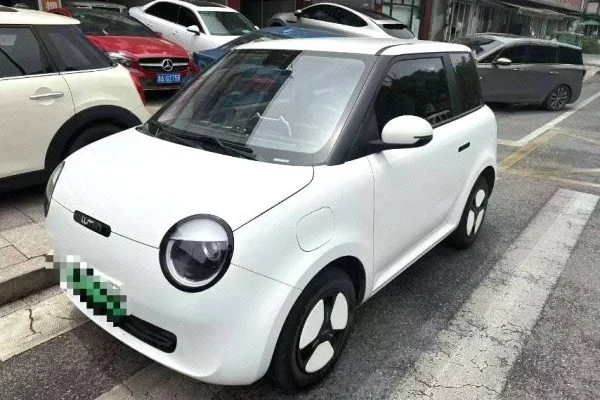
2022 Changan Lumin 301km Mitian Edition (35kW / 48HP) Mini Electric City Car
- 2022
- 18,000 km
- Automatic
- Electric
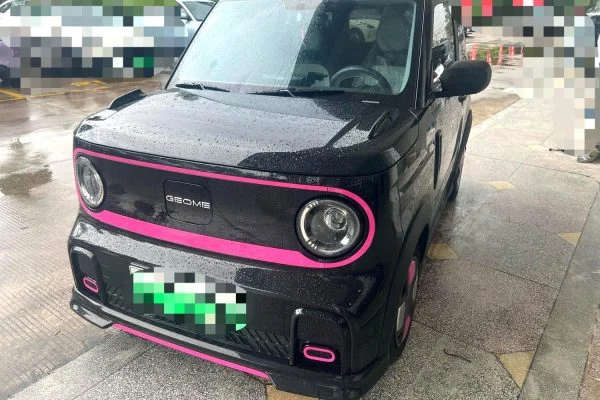
2025 Geely Panda MINI 210km Panda Kart Edition for Sale – 41 hp EV, 210 km Range, Export Ready
- 2026
- 4,000 km
- Automatic
- Electric
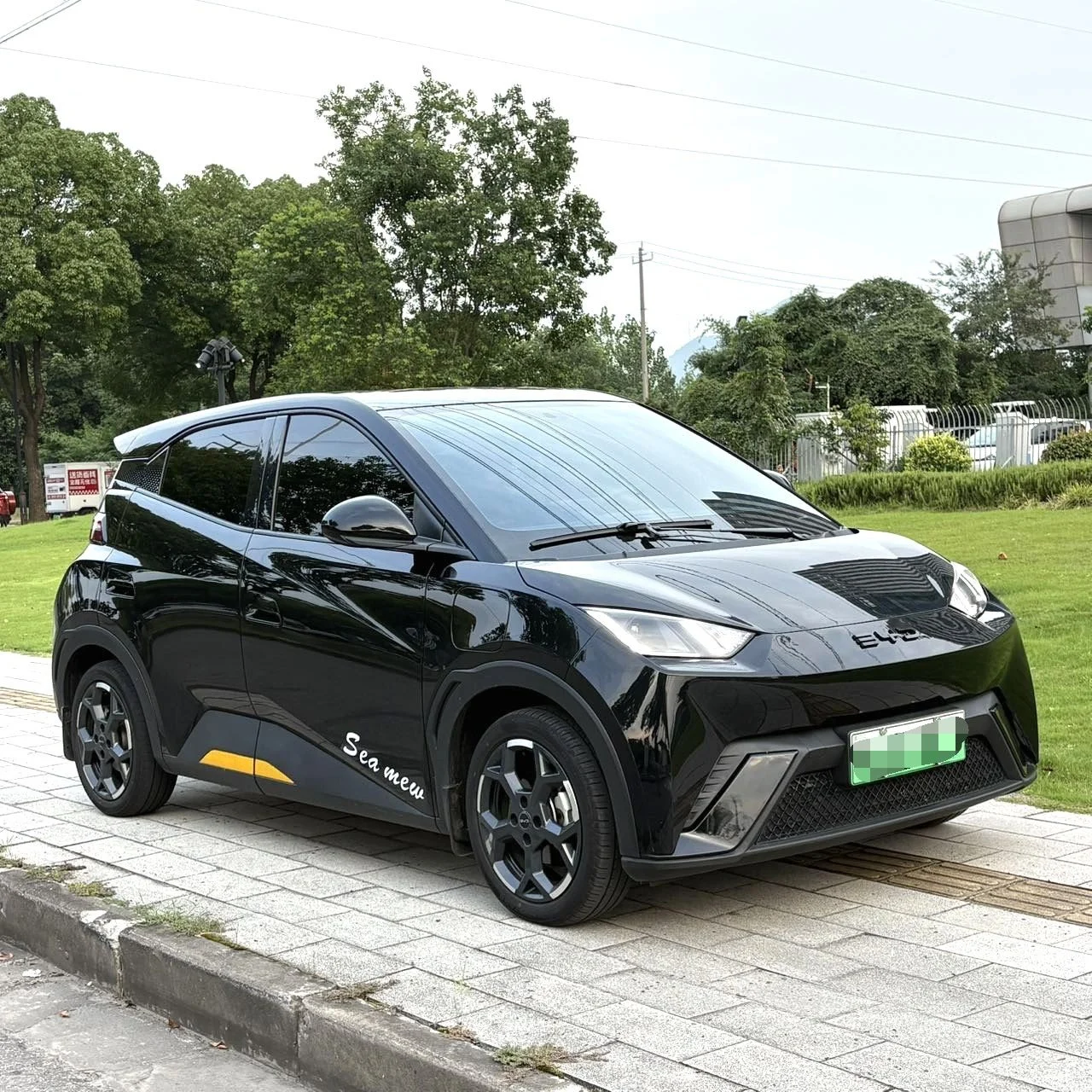
2025 BYD Seagull (Dolphin Mini) 305km Freedom Edition – Compact City EV | Ready to Ship
- 2024
- 35,000 km
- Automatic
- Electric
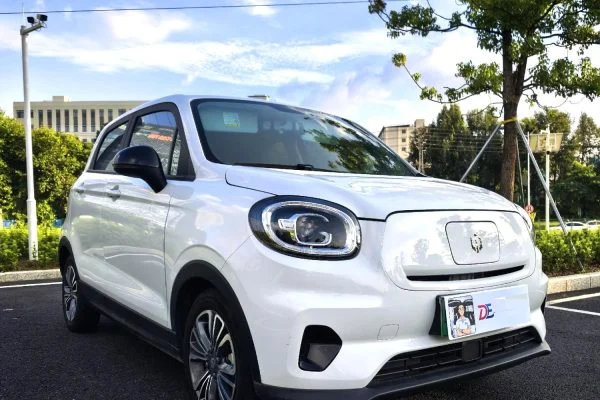
2024 Leapmotor T03 403 Comfort Edition for Sale – 109 hp EV, 403 km Range, Export Ready
- 2024
- 11,000 km
- Automatic
- Electric