









Cheapest Used Electric Cars for Sale in 2026: 5 Picks Under $9k

The cheapest used electric cars for sale from China in 2026 start at about $6,500 for a 120 km city car. The best value under $9,000 is the BYD e2 with 405 km of NEDC range at roughly $8,200 — but it is a seven-year-old car.
Cheap electric cars have a specific appeal: low purchase price, low running cost, no oil changes. They also have a specific limit, and that limit is range on a cold motorway. Buy with that in mind and the category is genuinely good value.
What are the five cheapest used EVs worth considering?
Ordered by price, with what you get for the money:
- 2021 Wuling Hongguang MINI EV — 120 km CLTC, 9.3 kWh LFP, 27 hp. $6,500-$7,500.
- Baojun E200 — 305 km CLTC, 28 kWh, 39 hp. $7,000-$8,000.
- 2019 BYD e2 High-Range — 405 km NEDC, 70 kW, 95 hp hatchback. $8,000-$8,600.
- 2024 Wuling Bingo 333 km — 203 km CLTC, 17.3 kWh, fast charging. $8,200-$8,800.
- 2023 Wuling Binguo 333 km — 333 km CLTC, 31.9 kWh, 68 hp. $9,500-$10,200.
Prices are FOB China for cars with 20,000-70,000 km. Anything far below these numbers usually means a battery pack in the low 80% range.
Which of them is actually usable?
The e2 and the Binguo. Both are real cars that can hold 90 km/h without complaint, both have LFP packs, and both have enough range for a genuine daily commute.
The Hongguang MINI EV is a superb third vehicle and a poor first one. It is 2.92 m long, seats four in an emergency, and charges at 3.3 kW on AC with no DC port at all. For a Chinese city resident with a 15 km round trip it makes complete sense. For anyone else it does not.
How much range do these cars lose in real use?
Plan on 75% of the CLTC number in normal mixed driving. In winter with the heater on, 60-65%. On a motorway at 110 km/h, close to 55%.
So a 333 km Binguo is a 250 km car in mild weather, a 200 km car in winter, and a 180 km car on a fast motorway run. The last figure is the one that decides whether it works for you.
What does a $7,000 EV actually cost to own?
Energy is near-trivial. Around 10-12 kWh per 100 km means $150-$200 a year at 12,000 km.
Servicing is $120-$200. Insurance is the variable that surprises people: in many import markets, a $7,000 used EV costs 60-80% of what a $20,000 car costs to insure, because insurers price on repair complexity rather than value.
The risk item is the pack. A 9.3 kWh LFP replacement is $1,200-$1,800; a 31.9 kWh pack is $2,400-$3,200. On the cheapest cars, a failed battery exceeds the car’s value.
Should you buy the cheapest car or the best cheap car?
The best cheap car, almost always. The $2,700 gap between a $6,500 Hongguang and a $9,200 Binguo buys 213 km of extra range, DC fast charging, and a car that can leave the city.
There is one exception. If you are a dealer buying three or four units for local resale in a dense city, the Hongguang’s low entry price and easy parking make it the better stock item.
What should you check before paying?
On cars this cheap, inspection matters more, not less. The margin for error is small and a bad pack turns a bargain into scrap.
- Battery state of health, photographed from the BMS.
- Cell voltage spread under 80 mV.
- DC fast-charge test where the car has a DC port.
- Registration showing private ownership, not fleet.
- Chassis inspection for flood damage — common on cheap southern cars.
How do you verify a cheap EV has not been flooded?
Cheap southern cars are where flood damage hides. Look at the seat rails, the wiring loom under the carpet and the connectors behind the dashboard — corrosion and silt are visible if you look.
Then check for electrical oddities: interior lights that flicker, a screen that boots slowly, or infotainment functions that reset. Water damage in an EV shows up in the low-voltage system long before the traction pack fails.
Flood-damaged EVs are not always a bargain, and they are never a safe one. A replacement 12V harness on a small Chinese hatchback runs $400-$700, but the problems do not stop there.
Ask the seller for the insurance record and the region the car was registered in. Cars from Guangdong and Guangxi registered in flood years deserve a closer look.
Key Takeaways
- Cheapest used EVs from China start around $6,500 in 2026.
- Best value under $9,000: BYD e2 with 405 km NEDC at about $8,200.
- Real range is 75% of CLTC in mixed use, 60-65% in winter.
- A failed pack can exceed the value of any car under $7,000.
- Spend an extra $2,700 to get DC fast charging — it changes what the car can do.
Related Vehicles
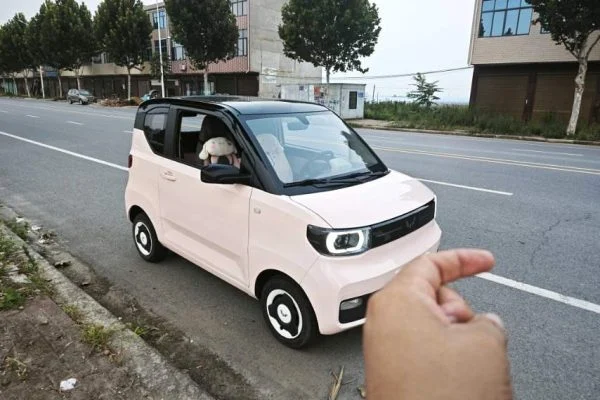
2021 Wuling Hongguang MINI EV Macaron Sandwich 120km (27 HP / RWD) – Compact City EV
- 2022
- 23,000 km
- Automatic
- Electric

2019 BYD e2 High-Range Luxury Edition (70kW / 95HP / 405km NEDC) EV Hatchback
- 2020
- 96,000 km
- Automatic
- Electric

2024 Wuling Bingo (Binguo) 333km Enjoy Edition (50kW / 68HP) Electric Hatchback
- 2024
- 60,000 km
- Automatic
- Electric
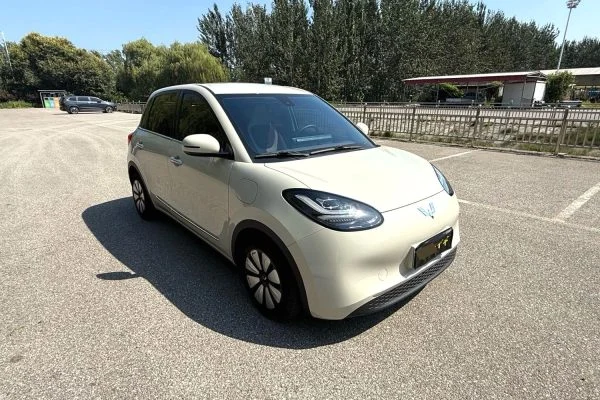
2023 Wuling Binguo 333km Express Edition for Sale – 68 hp EV, 333 km Range, Export Ready
- 2024
- 6,000 km
- Automatic
- Electric