









Cheap Second Hand Electric Cars for Sale: SUV vs Sedan
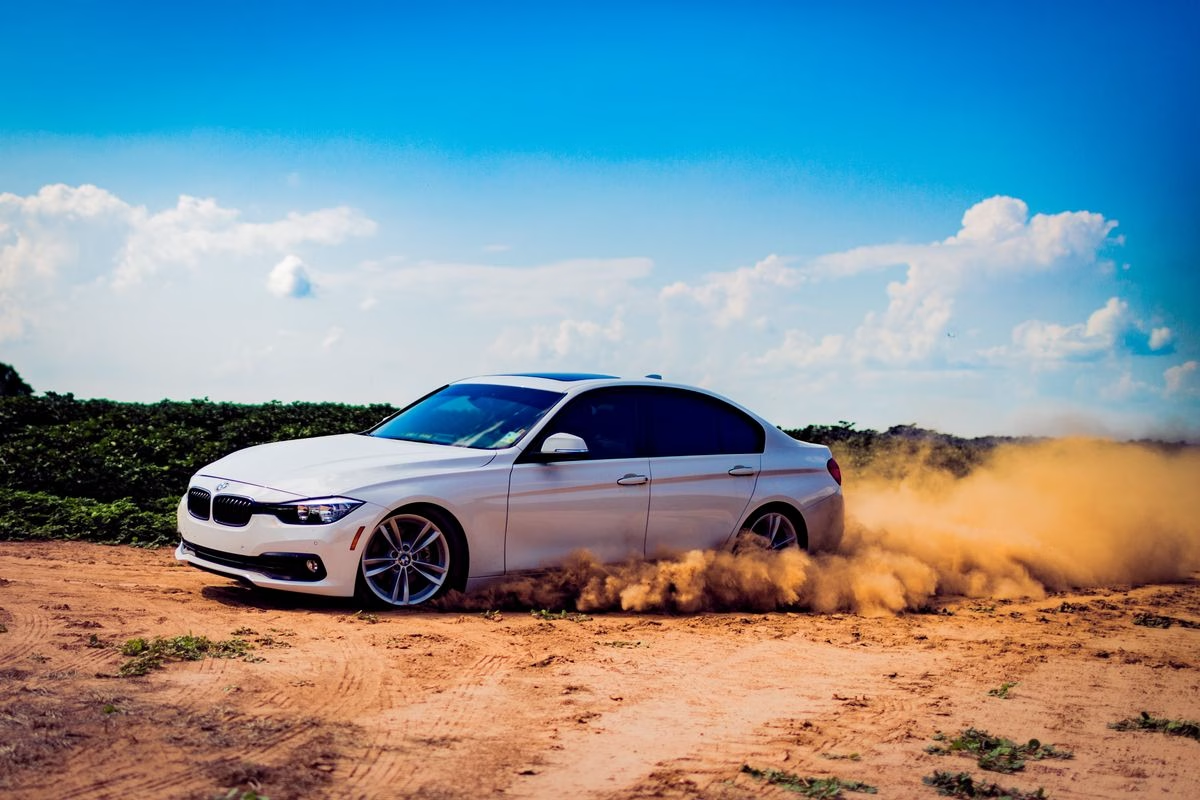
Cheap second hand electric cars for sale from China fall into two shapes, and the shape decides more than you would think. In 2026, $11,000-$19,000 FOB buys either a compact SUV or a mid-size sedan, and the sedan usually wins on range per dollar while the SUV wins on practicality and resale.
Here is the comparison buyers actually need, without the brochure language.
Why do sedans get more range for the same money?
Aerodynamics. A sedan’s drag coefficient sits around 0.21-0.24; a compact SUV sits at 0.28-0.32. At 100 km/h, that gap is worth 10-15% of your range, which on a 500 km car is 50-75 km you cannot recover.
Sedans are also lighter, so they use smaller packs for the same claimed range and cost less to build. That saving partly reaches you on the used market. The 2022 Zeekr 001 Long Range is the clearest example — 536 km CLTC from a 100 kWh pack, with 544 hp, at roughly $20,000-$23,000.
When does an SUV make more sense?
Bad roads, families, and resale. An SUV with 180 mm of ground clearance handles unpaved approaches that will scrape a sedan’s battery tray. Higher seating helps in traffic. And in most emerging markets, used SUV demand runs ahead of sedan demand, so the SUV is easier to sell on.
Two sensible SUV picks at different prices: the 2024 BYD Yuan UP (Atto 2) 401km Huoli Edition at about $9,800-$11,400 — 401 km, 95 hp, city-focused — and the 2023 Leapmotor C11 500 Comfort at roughly $14,500-$16,500, a 500 km mid-size SUV with 272 hp and 24,000 km on the clock.
Which one is cheaper to keep running?
- Tyres: SUV tyres cost 25-40% more and wear faster on a heavier car. Budget $600-$900 a set versus $400-$600 for a sedan.
- Efficiency: a sedan uses 13-16 kWh/100 km; an SUV 17-21 kWh/100 km. On cheap power the gap is small; on expensive power it is not.
- Body repairs: SUVs have more panel area and more parking-lot risk. Insurance in most markets prices that in.
- Parts: choose volume models. A BYD or Leapmotor SUV has far better parts supply than a low-volume sedan.
Does body style change how fast the car depreciates?
Yes, and it is the most underrated variable. Chinese EVs as a group lose 45-55% of sticker in three years. Within that, large SUVs with long range shed value fastest when new because their sticker was highest, which is why they are the best used bargain. Small SUVs and mid-size sedans depreciate more evenly.
My view: buy the depreciated-end car. A 2022-2023 flagship SUV at 55% off new is a better use of money than a 2024 compact at 30% off, provided you can verify the pack.
What should you check on a cheap second-hand EV?
- Battery state of health with cell delta — the only number that matters.
- Ground clearance and tray condition on SUVs; scrape damage is common.
- DC charge rate. A cheap car that maxes at 40 kW changes your long trips.
- Tyre age, not tread. Six-year-old rubber on a low-mileage car is a hidden cost.
Key Takeaways
- Sedans deliver 10-15% more real range at the same price thanks to lower drag.
- SUVs cost 25-40% more in tyres and use 4-5 kWh/100 km more.
- Best value cheap SUV: BYD Yuan UP at $9,800-$11,400.
- Best value mid-size SUV: Leapmotor C11 500 at $14,500-$16,500.
- Buy the most depreciated body style you can verify — flagship models, not near-new compacts.
Related Vehicles

2024 BYD Yuan UP (Atto 2) 401km Huoli Edition (95HP FWD / 22k km) Compact EV SUV
- 2024
- 22,000 km
- Automatic
- Electric
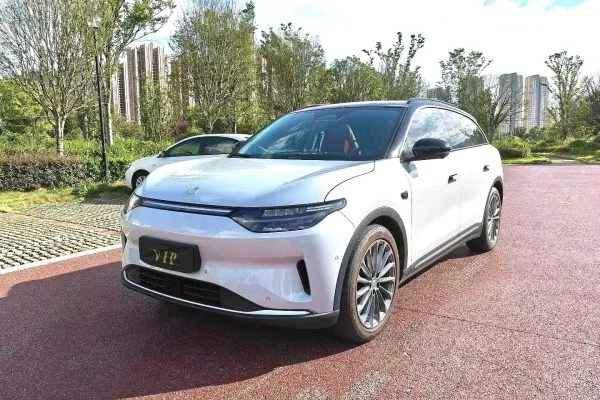
2024 Leapmotor C11 580 Premium Edition for Sale – 272 hp EV, 580 km Range, Export Ready
- 2024
- 21,000 km
- Automatic
- Electric
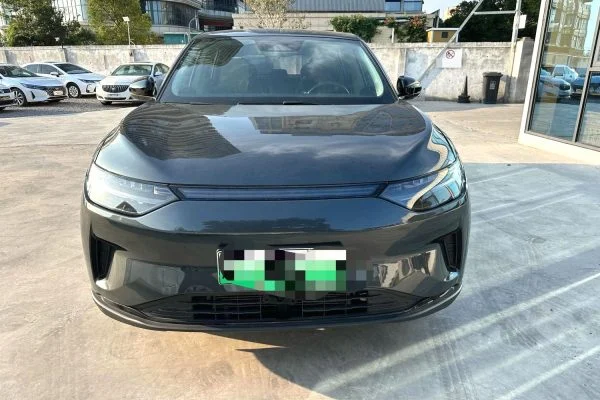
2023 Leapmotor C11 500 Comfort Edition (24,000km / 272HP) – Used Mid-Size Electric SUV
- 2024
- 24,000 km
- Automatic
- Electric

2022 Zeekr 001 Long Range Dual-Motor WE Edition for Sale – 544 hp, 536 km Range, Export Ready
- 2022
- 37,000 km
- Automatic
- Electric