









Cheap Second Hand Electric Cars for Sale in 2026
Cheap second hand electric cars for sale from China start around $4,500 FOB for a small city car and reach $12,000 for a compact SUV with 400 km of range. Below that ceiling you are choosing between range and repairability, not between badges.
I have watched buyers chase the cheapest listing and then spend the difference on a charger, a cable set and a diagnostic session. Sorting by price alone is how that happens.
What can you actually get under $7,000?
City cars with 120–300 km of range. The 2025 BYD Seagull (Dolphin Mini) 305km Freedom Edition is the strongest of this group: Blade LFP battery, 305 km CLTC, real-world 220–240 km, and a fast-charge curve that holds above 40 kW to about 70%.
The 2022 Changan Lumin 301km Mitian Edition is the cheaper alternative at 48 hp and 27.99 kWh. It is slower, noisier at highway speed, and the 4-seat cabin is tight. For city deliveries or a second family car, it does the job.
What does $8,000–$12,000 buy?
A real compact EV with usable highway manners. The 2024 BYD Yuan UP (Atto 2) 401km Huoli Edition sits here at 95 hp and 22,000 km — small, but a proper 5-seat SUV body with a 401 km CLTC figure.
The 2023 Geely Panda Mini 200km Endurance Bear is the opposite trade: barely any range (200 km CLTC, roughly 150 km real), but only 20,000 km on the clock and a 17.03 kWh LFP pack that costs almost nothing to charge.
Is a cheap second-hand EV worth buying at all?
Yes, with conditions. Cheap EVs are worth it when the car has a small LFP pack, a big production run, and local parts. They are a bad idea when the pack is NCM, the model sold fewer than 20,000 units, or the seller cannot produce a battery scan.
One number to keep in mind: replacing a 30 kWh LFP pack out of warranty costs $3,000–$5,500 in most markets. On a $5,000 car, that is the entire budget. On a car where the pack reports 96% SoH, the risk is small and you should not be paying a premium for a “battery insurance” add-on.
Where does the cheap price come from?
Depreciation, mostly. Chinese EV prices fell fast through 2024–2025, and a 2022 city car that retailed near $9,000 new now trades around half that. Export adds $1,500–$3,000 depending on port and destination, so the landed price is never the FOB price.
Second source: trim. The cheapest listings are almost always the base trim with no ADAS, no heat pump, and cloth seats. That is fine — but check whether the market you are importing into requires a heat pump for homologation, because retrofitting one is not realistic.
Which cheap EV should you avoid?
Any model whose battery supplier you cannot name. Low-volume microcars from defunct brands are cheap for a reason: no diagnostic tools, no parts, no resale. A $3,200 bargain with an orphaned pack is a $3,200 paperweight.
Key Takeaways
- Cheap second-hand Chinese EVs start near $4,500 FOB; $8,000–$12,000 buys a compact SUV.
- The BYD Seagull 305 km is the best sub-$7,000 pick for repairability.
- LFP packs at 96%+ SoH carry low replacement risk; NCM and low-volume models do not.
- Base trims often lack heat pumps — verify homologation before you buy.
Related Vehicles
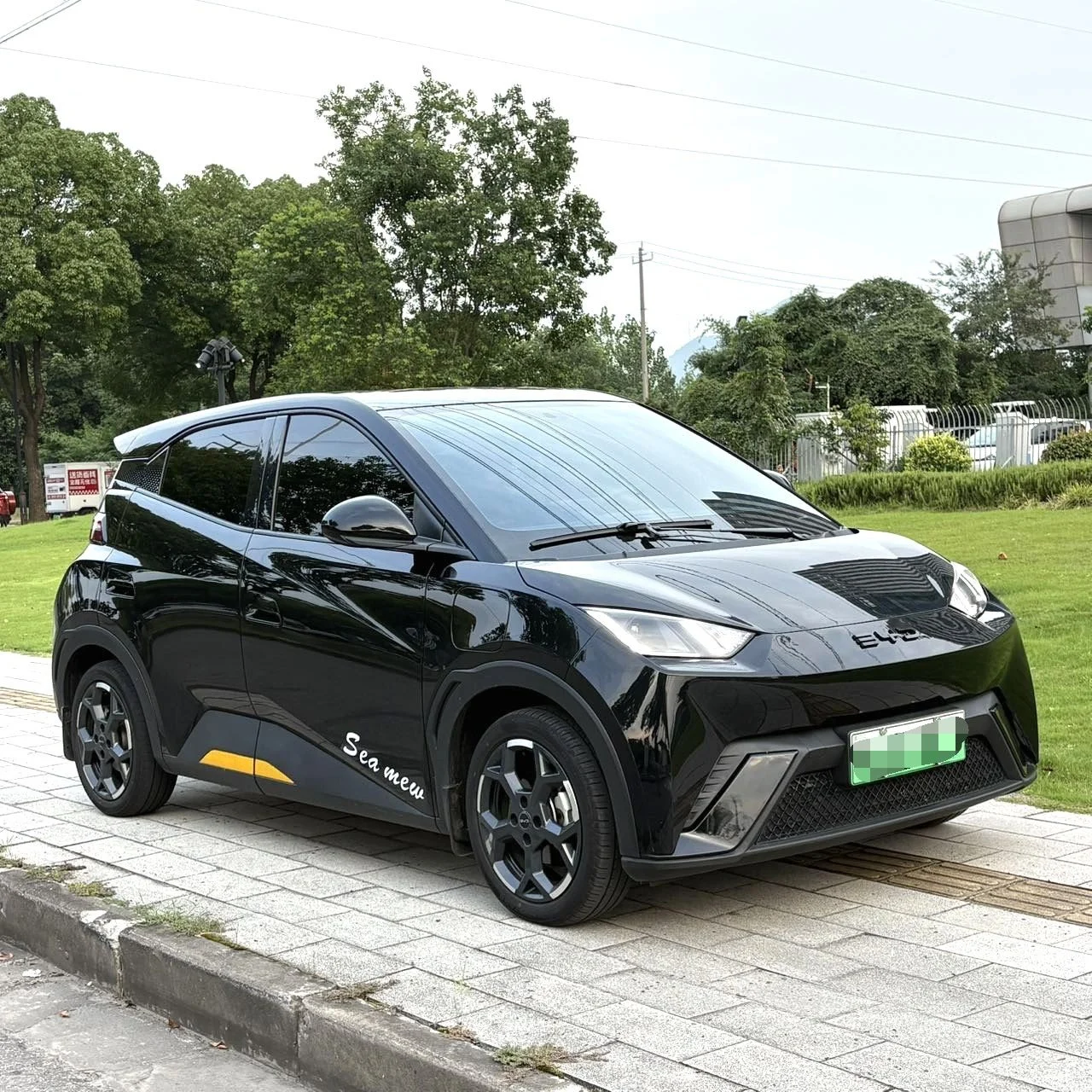
2025 BYD Seagull (Dolphin Mini) 305km Freedom Edition – Compact City EV | Ready to Ship
- 2024
- 35,000 km
- Automatic
- Electric
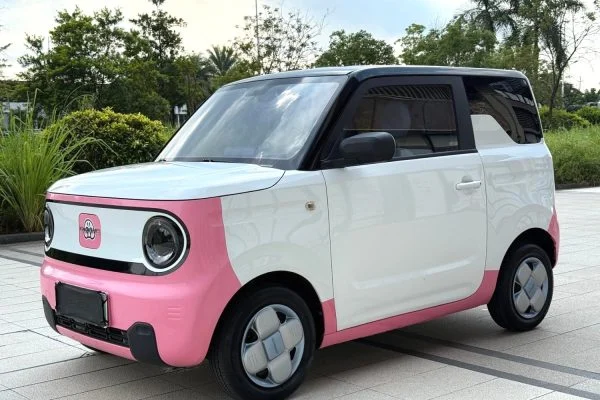
2023 Geely Panda Mini 200km Endurance Bear for Sale – 41 hp EV, 200 km Range, Export Ready
- 2023
- 20,000 km
- Automatic
- Electric
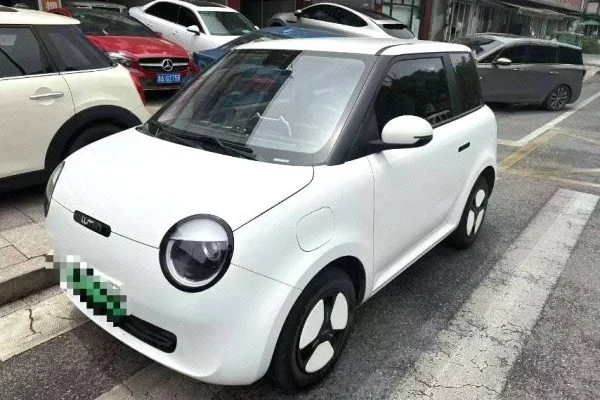
2022 Changan Lumin 301km Mitian Edition (35kW / 48HP) Mini Electric City Car
- 2022
- 18,000 km
- Automatic
- Electric

2024 BYD Yuan UP (Atto 2) 401km Huoli Edition (95HP FWD / 22k km) Compact EV SUV
- 2024
- 22,000 km
- Automatic
- Electric