









Cheap Second Hand Electric Cars: 2026 Buying Guide and Real Prices
Cheap second hand electric cars in China start around $4,000 for a 2020-2021 mini and reach $11,000 for a 2024 compact SUV with 400 km of range. The cheap end is where the bargains and the disasters both live.
Most buyers get this wrong by shopping on price alone. A $5,000 car that needs a $2,500 battery module is not cheap. A $9,000 car with 95% battery health and a year of warranty left is.
What does each price band get you in 2026?
| Budget | What you get | Example |
|---|---|---|
| $4,000-$6,000 | 2-4 seat minis, 120-170 km range, no DC charging | Wuling Hongguang MINI EV |
| $6,500-$8,000 | City hatchbacks, 200-300 km, slow DC charging | Wuling Bingo 203 km |
| $8,000-$10,500 | Proper hatchbacks and small SUVs, 300-400 km | BYD Seagull, Leapmotor T03 |
| $10,500-$13,000 | Compact SUVs and boxy city cars, low mileage | Baojun Yep, Yuan UP |
The 2024 Baojun Yep Zhizun at around $10,500 is the most interesting car in the cheap bracket this year. 303 km range, 68 hp, a genuinely practical square footprint, and it does not look like a toy. Low-mileage examples are common because most were second cars in Chinese cities.
Which cheap EVs are reliable, and which are not?
Reliability here means battery longevity and parts availability, not J.D. Power scores. LFP packs from BYD, Leapmotor, Wuling and CATL hold up far better than 2019-era NMC packs in old city cars.
Cars I would still buy secondhand today: BYD Seagull, Leapmotor T03, Wuling Bingo, Baojun Yep, GAC Aion V. Cars I would approach with caution: anything pre-2020 with 50,000+ km, and any car whose manufacturer has exited the Chinese market entirely — parts become a scavenger hunt.
A 2023 Wuling Binguo 333 km sits in the sweet spot at roughly $8,500 — 68 hp, 31.9 kWh LFP, and Wuling’s service network covers most of Asia and parts of Latin America.
What faults turn a cheap EV into an expensive one?
- Onboard charger failure — $700-$1,400. Common on 2020-2021 cars from humid regions.
- Degraded 12V auxiliary battery — $60-$150, but it strands the car and confuses buyers into thinking the traction pack is dead.
- Charge port solenoid — $200-$400. Test that the plug locks and releases smoothly.
- Head unit / OTA lock — potentially unrepairable outside China. This is the one that ruins cheap cars.
- Battery module imbalance — $1,500-$3,000. Shows as a sudden range drop and a large cell voltage spread.
The head unit issue is underdiscussed. Several Chinese city cars shipped with infotainment that requires a domestic account for OTA updates and sometimes even for basic radio function. Confirm the screen and climate controls work with no data connection before buying, and get it on video.
Is a cheap second hand EV worth it at all?
For urban drivers covering under 60 km a day, yes — clearly. Running costs are roughly a fifth of a petrol equivalent, servicing is minimal, and a $9,000 hatchback does the same job as a $22,000 new one for the next five years.
For anyone whose daily route includes 110 km/h motorway stretches, no. Cheap EVs have short gearing, thin sound insulation, and range that collapses above 100 km/h. A 2022 Hongguang MINI EV Zizai at 120 km CLTC is a 85 km car in practice. That is a scooter replacement, not a car replacement.
Key Takeaways
- Cheap second hand EVs run $4,000-$13,000 in China in 2026.
- The $8,000-$10,500 band (Seagull, T03, Bingo) offers the best risk-adjusted value.
- LFP batteries from BYD, Leapmotor, Wuling and CATL age far better than 2019 NMC packs.
- Onboard charger and head-unit faults are the two that can make a cheap car unrepairable abroad.
- Test that the infotainment works offline before you buy — that is the invisible trap.
Related Vehicles
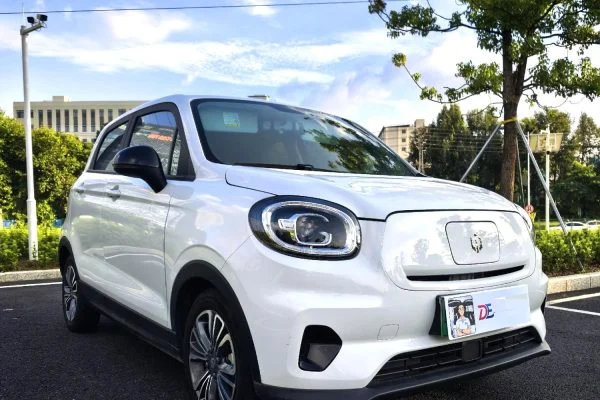
2024 Leapmotor T03 403 Comfort Edition for Sale – 109 hp EV, 403 km Range, Export Ready
- 2024
- 11,000 km
- Automatic
- Electric
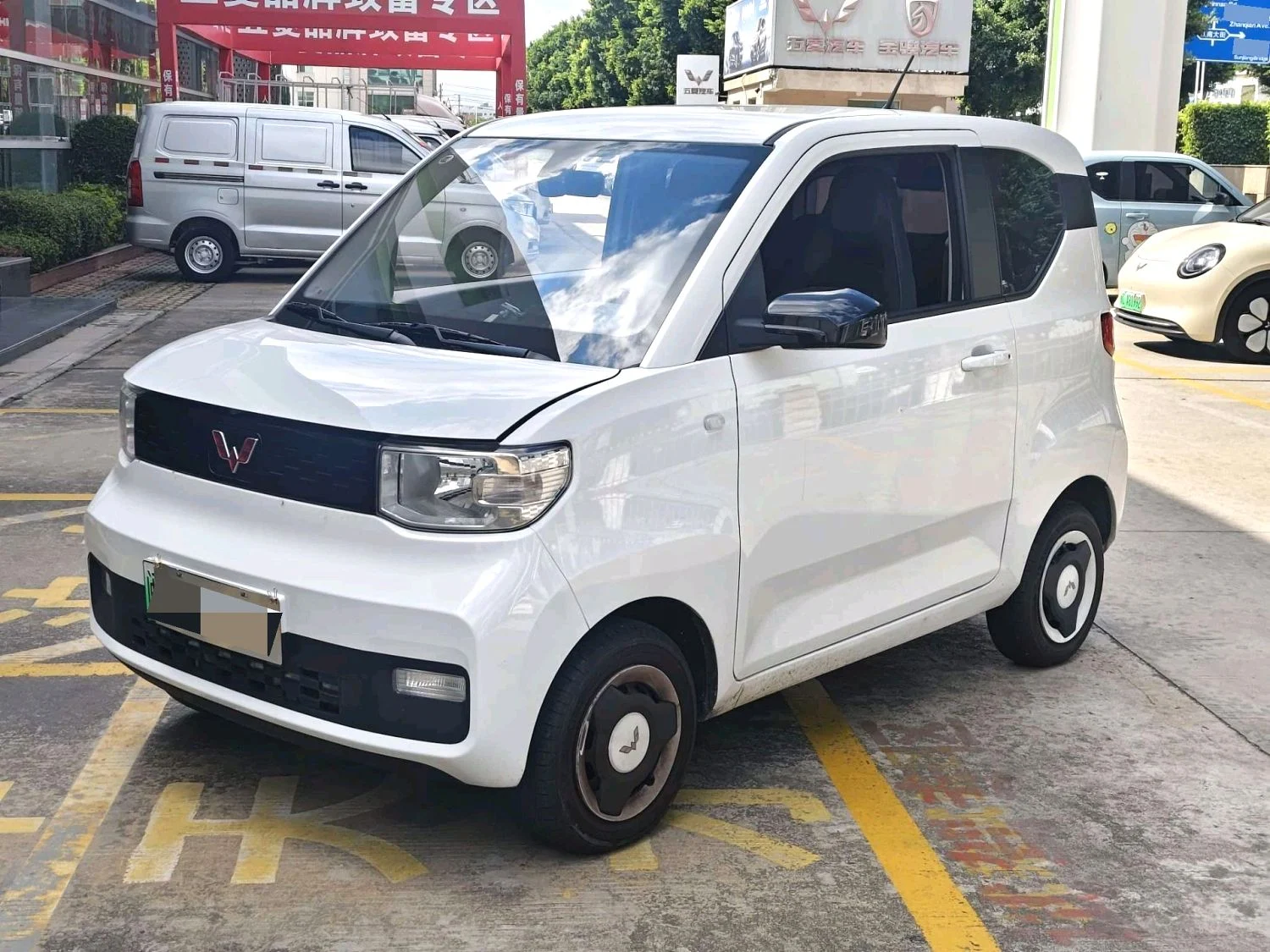
2022 Wuling Hongguang MINI EV Zizai (120km Range / LFP Battery) Smart Micro EV
- 2023
- 16,700 km
- Automatic
- Electric
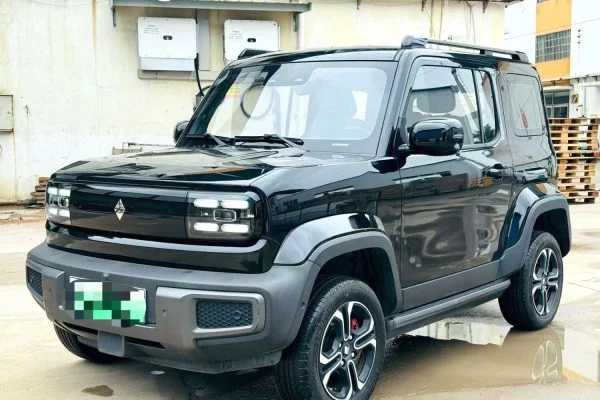
2024 Baojun Yep Zhizun Edition for Sale – 303 km Range, 68 hp EV, Export Ready
- 2024
- 15,000 km
- Automatic
- Electric
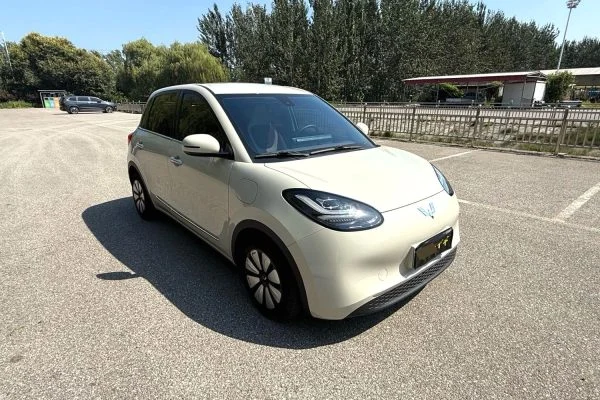
2023 Wuling Binguo 333km Express Edition for Sale – 68 hp EV, 333 km Range, Export Ready
- 2024
- 6,000 km
- Automatic
- Electric