









Best Used Electric Cars to Buy in 2026: Six That Hold Up
The best used electric cars to buy in 2026 are not the fastest or the flashiest — they are the ones with a battery that ages well, parts that exist outside China, and a price that has already absorbed its worst depreciation. Six Chinese models clear that bar this year.
Ranking is not by spec sheet. A car with 700 km of range and no brake pads available in your country is a worse purchase than a 305 km hatchback you can service at the corner garage.
Which used EVs are worth buying in 2026?
Short answer: BYD Seagull, BYD Atto 3, Leapmotor T03, ONVO L60, Xiaomi SU7 and BYD Sealion-class SUVs. Each covers a different budget and a different risk profile.
- BYD Seagull (305 km) — $8,000-$9,500. The default city EV. 30.1 kWh Blade LFP, 75 hp.
- Leapmotor T03 (403 km) — $9,000-$10,500. Best range under $11,000, 109 hp.
- BYD Atto 3 (430/510 km) — $13,000-$19,000. Family SUV that local mechanics can learn fast.
- ONVO L60 (60 kWh) — $19,000-$24,000. NIO’s 900V platform, battery-swap capable, genuinely modern cabin.
- Xiaomi SU7 (Standard/Max) — $22,000-$30,000. Sports sedan, 700-800 km CLTC, but parts are a real question outside major cities.
- Leapmotor C11 / Deepal S07 — $16,000-$22,000. Mid-size SUV value, 500-580 km range.
What makes a used EV a good buy rather than a gamble?
Three things, in this order: battery chemistry, parts availability, and whether the model was sold internationally.
LFP batteries — Blade packs in BYD cars, most Leapmotor packs — routinely hold 92-96% state of health at 50,000 km. Nickel-rich NMC packs age faster and cost more to replace. That single fact reshapes a whole shortlist.
Parts availability is the underrated one. BYD now sells in over 90 countries, so a 2025 Seagull Freedom Edition is supportable almost anywhere. A Xiaomi SU7 is a brilliant sedan — 299 hp in Standard trim, 700 km CLTC — but Xiaomi’s overseas service network in 2026 is still mostly China plus a handful of flagship stores.
Is a cheaper used EV better than a newer one?
Usually yes, at this point in the cycle. Chinese EV prices fell hard through 2025, and a 2023 car has already taken the steepest part of the depreciation curve. Buying a 2026 model secondhand gets you closer to new-car money for a marginal benefit.
The exception is battery warranty. Most Chinese manufacturers cover the traction battery for 8 years or 160,000 km for the first owner — and many transfer it, but not all. Verify the transfer terms in writing; a 2023 car with a non-transferable pack warranty is worth noticeably less than an identical one with a transferable warranty.
| Budget | Buy this | Why |
|---|---|---|
| Under $10k | BYD Seagull 305 km | Cheapest ownership risk in the category |
| $10k-$15k | Leapmotor T03 or Yuan UP | Range or space, pick one |
| $15k-$20k | BYD Atto 3 510 km | Parts everywhere, proven LFP pack |
| $20k-$26k | ONVO L60 60 kWh | Modern 900V car, swap-ready |
Which one would I actually buy?
An ONVO L60 60 kWh AWD at around $21,000, if the buyer’s country has NIO swap stations or at least dealer coverage. 462 hp, 900V architecture, a cabin that does not feel five years old, and swap means the battery is never really your problem.
That "if" matters. In a market without NIO support, the L60 becomes a car whose service story is entirely on you. In that case, take the Atto 3 and sleep better.
For buyers who want something with actual driving appeal, a used Xiaomi SU7 Max at 673 hp and 800 km CLTC is remarkable value — 0-100 km/h in 2.78 s, for under $30,000. Go in knowing that a body panel repair may take six weeks and a favour.
Key Takeaways
- LFP packs (BYD Blade, Leapmotor) hold 92-96% health at 50,000 km; NMC ages faster.
- BYD Seagull and Leapmotor T03 are the safest sub-$11,000 picks.
- ONVO L60 offers the newest technology per dollar, conditional on local support.
- Confirm whether the battery warranty transfers to a second owner.
- 2023-2024 models have taken the worst depreciation; 2026 used cars are rarely a bargain.
Related Vehicles
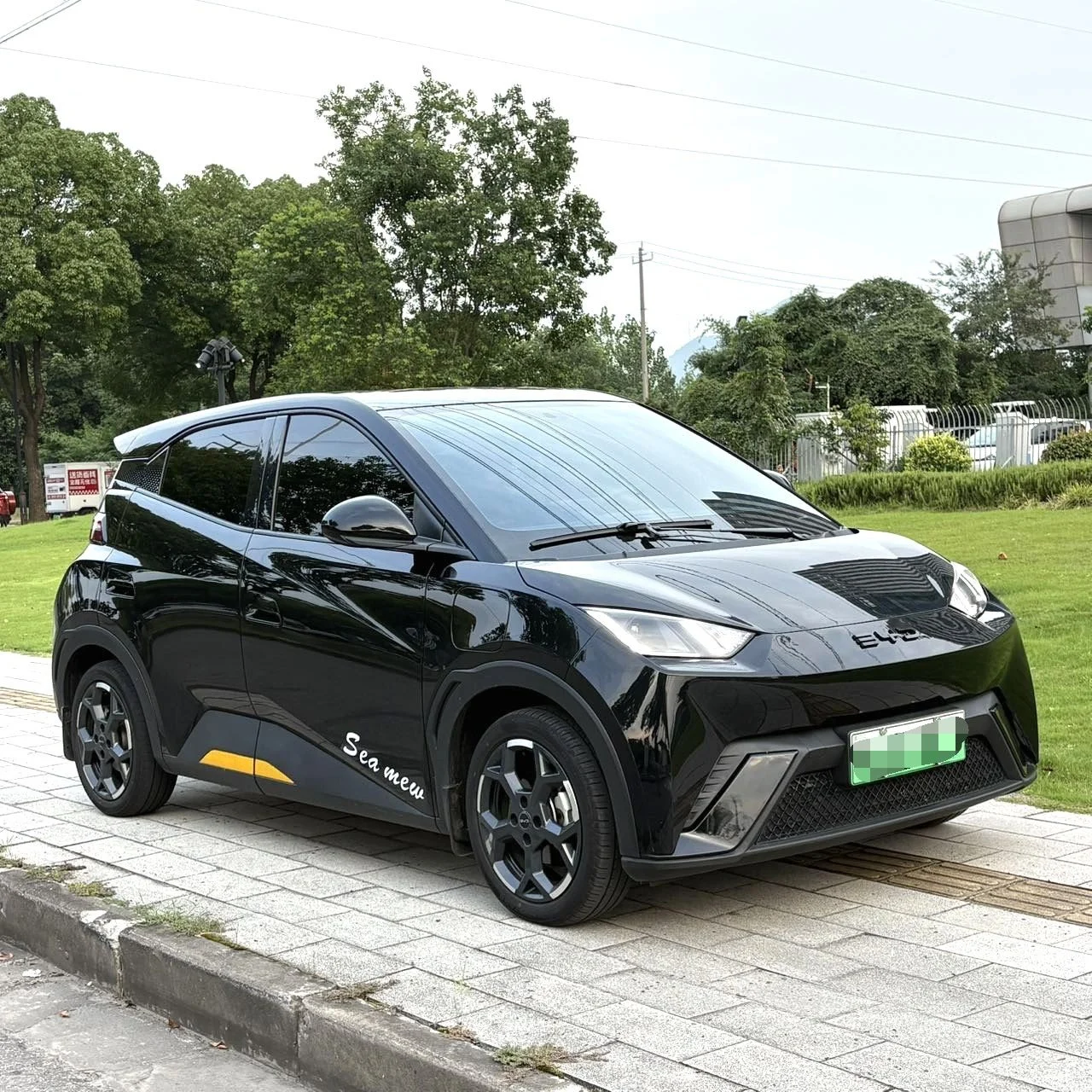
2025 BYD Seagull (Dolphin Mini) 305km Freedom Edition – Compact City EV | Ready to Ship
- 2024
- 35,000 km
- Automatic
- Electric
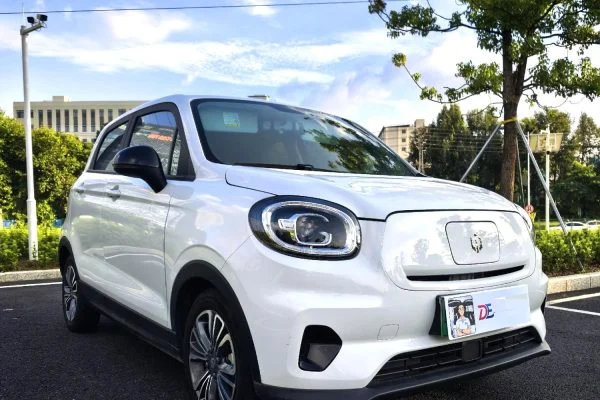
2024 Leapmotor T03 403 Comfort Edition for Sale – 109 hp EV, 403 km Range, Export Ready
- 2024
- 11,000 km
- Automatic
- Electric

2024 ONVO L60 60kWh AWD (462HP / 4.6s / 900V Platform) NIO Electric SUV
- 2024
- 17,000 km
- Automatic
- Electric
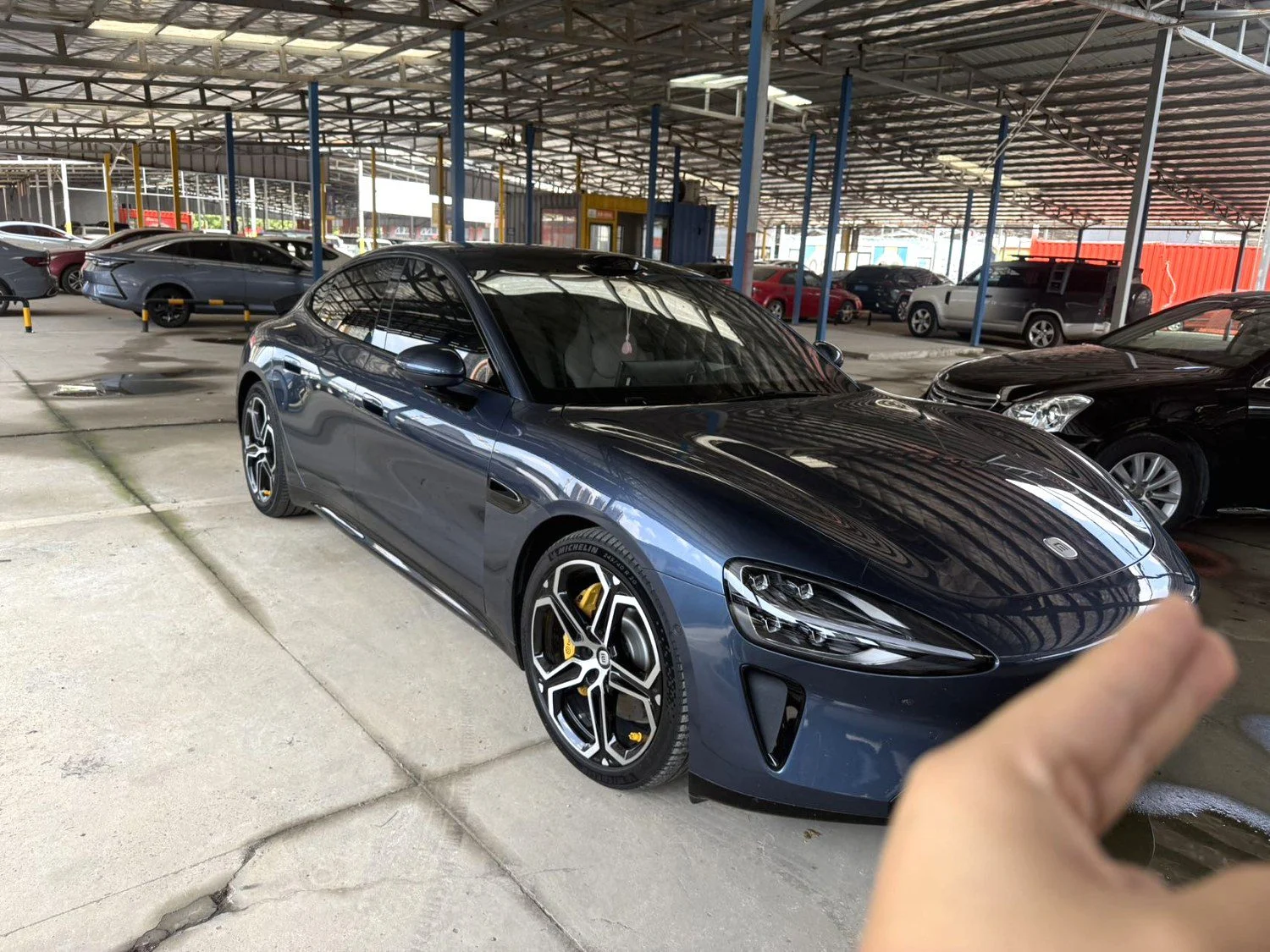
2024 Xiaomi SU7 Max AWD (673HP / 2.78s / 800km Range) Electric Sport Sedan
- 2025
- 50,000 km
- Automatic
- Electric