









Best Used Electric Cars to Buy in 2026: Six Picks Ranked

What Are the Best Used Electric Cars to Buy in 2026?
The best used electric cars to buy in 2026 are the BYD Seagull, BYD Atto 3, Leapmotor C11, XPeng G6, Xiaomi SU7 and Zeekr 001, ranked by battery durability and parts availability rather than headline specs. Prices for these six range from about $6,500 to $34,000 FOB China.
Most “best EV” lists rank by 0-100 km/h and screen size. That is the wrong scoreboard for a used car. A three-year-old EV is a battery, a chassis and a software stack. Two of those age gracefully. The third is a lottery depending on the brand.
What makes a used EV worth buying in 2026?
Three things, in this order: LFP battery chemistry, a dealer network in your country, and over-the-air software that the manufacturer still supports.
LFP packs tolerate full charges and high mileage better than the NMC packs used in older EVs. Most Chinese cars built from 2021 onward use LFP, which is one reason their three-year-old batteries still read 93-96 percent health. A 2019 NMC car at the same age often sits closer to 85 percent.
Parts support is the harder filter. BYD and GWM have broad international networks. Leapmotor and XPeng are expanding fast but have gaps. Xiaomi is a newcomer with almost no service footprint outside China, which is fine if you are mechanically self-sufficient and a problem if you are not.
Which six models hold up best?
| Model | Year | Range (CLTC) | Price FOB China | Why it ranks |
|---|---|---|---|---|
| BYD Seagull | 2023-2025 | 305-405 km | $6,500 – $9,500 | Cheapest reliable city EV |
| BYD Atto 3 | 2022-2024 | 430-510 km | $13,500 – $18,000 | Best family value |
| Leapmotor C11 | 2023-2024 | 500-580 km | $16,000 – $20,500 | Most space per dollar |
| XPeng G6 | 2023-2025 | 580-755 km | $21,000 – $25,000 | 800V charging |
| Xiaomi SU7 | 2024 | 700-800 km | $28,000 – $34,000 | Best software, weakest service |
| Zeekr 001 | 2022-2023 | 536-741 km | $22,000 – $27,000 | Build quality |
Why is the Seagull still the safest cheap pick?
Because it is cheap to fix and cheap to run. A 305 km Seagull with 13,000 km sells for around $6,500, uses a 30 kWh Blade LFP pack, and costs about $2.50 to charge from 20 to 80 percent on a home tariff.
It is a small car. 3.78 m long, four seats, a 232 L boot. The ride is firm and the motor noise at highway speed is more present than in a $20,000 car. None of that matters if your daily route is under 100 km.
What lifts it above other cheap EVs is the OTA record. BYD has shipped software updates to Seagull cars for all model years, including the 2023 ones. An EV abandoned by its manufacturer is a phone with no updates. That is a reliability problem disguised as a software problem.
Is the XPeng G6 worth $10,000 more than a Leapmotor C11?
Only if you do long motorway trips. The G6’s 800V architecture means a 10-80 percent charge in roughly 20 minutes at a compatible station, against 35-40 minutes on the C11’s 400V system. That is a real difference on a 900 km drive. On a commute it never shows up.
The C11 is the more comfortable car for passengers, with a 2930 mm wheelbase and a softer ride. Its 2023 500 Comfort with 24,000 km sits near $16,500; a 2024 580 Premium around $19,000-$20,500. Both drive fine and neither will excite anyone.
The risk with Leapmotor is service depth. Check whether an authorised workshop exists within a reasonable drive before buying. If not, an XPeng or a BYD is the safer $20,000.
Where does the Xiaomi SU7 actually fit?
It is a superb used car for the money and a bad first import. A 2024 SU7 with the 700 km standard range and under 10,000 km lists around $29,000-$31,000. You get a 299 hp sedan with genuinely good software and an interior that embarrasses cars at twice the price.
You also get a car whose service network outside China is close to zero and whose insurance in some markets is priced as an exotic. Buy it if you enjoy solving problems. Do not buy it as your only car.
Which used EVs from China are worth a closer look?
The 2025 BYD Seagull 305 km is the entry point. The 2023 Atto 3 Champion Edition covers family duty. The 2024 Leapmotor C11 580 Premium and the 2023 XPeng G6 755 Long Range Pro sit in the mid-tier. Above them, the 2024 Xiaomi SU7 Founder Edition and the 2022 Zeekr 001.
How fast do these cars lose value after you buy?
Slower than a new one, and that is the main argument for buying used in this segment. A 2024 Leapmotor C11 bought new in China at around $26,000 is worth roughly $19,000-$20,500 today. The next three years should cost closer to $6,000 total.
Chinese EVs still depreciate faster than Japanese or Korean used cars because the brand story is newer. Assume 15 percent a year for the first three years of your ownership, then flattening. Anyone promising better on a Xiaomi or a Leapmotor is guessing.
The exception is the Seagull. Cheap cars depreciate in absolute terms slowly because there is a floor near scrap-plus-battery value. A $6,500 Seagull will not fall below $3,000 while the pack holds charge.
Key Takeaways
- The best used EVs in 2026 use LFP batteries, which still read 93-96 percent health after three years.
- BYD Seagull at $6,500-$9,500 is the lowest-risk cheap used EV.
- Pick the XPeng G6 over the Leapmotor C11 only if you regularly drive over 500 km a day.
- Avoid brands with no service presence in your country, however good the car drives.
- Confirm OTA support for your model year before buying; abandoned software ages badly.
Related Vehicles
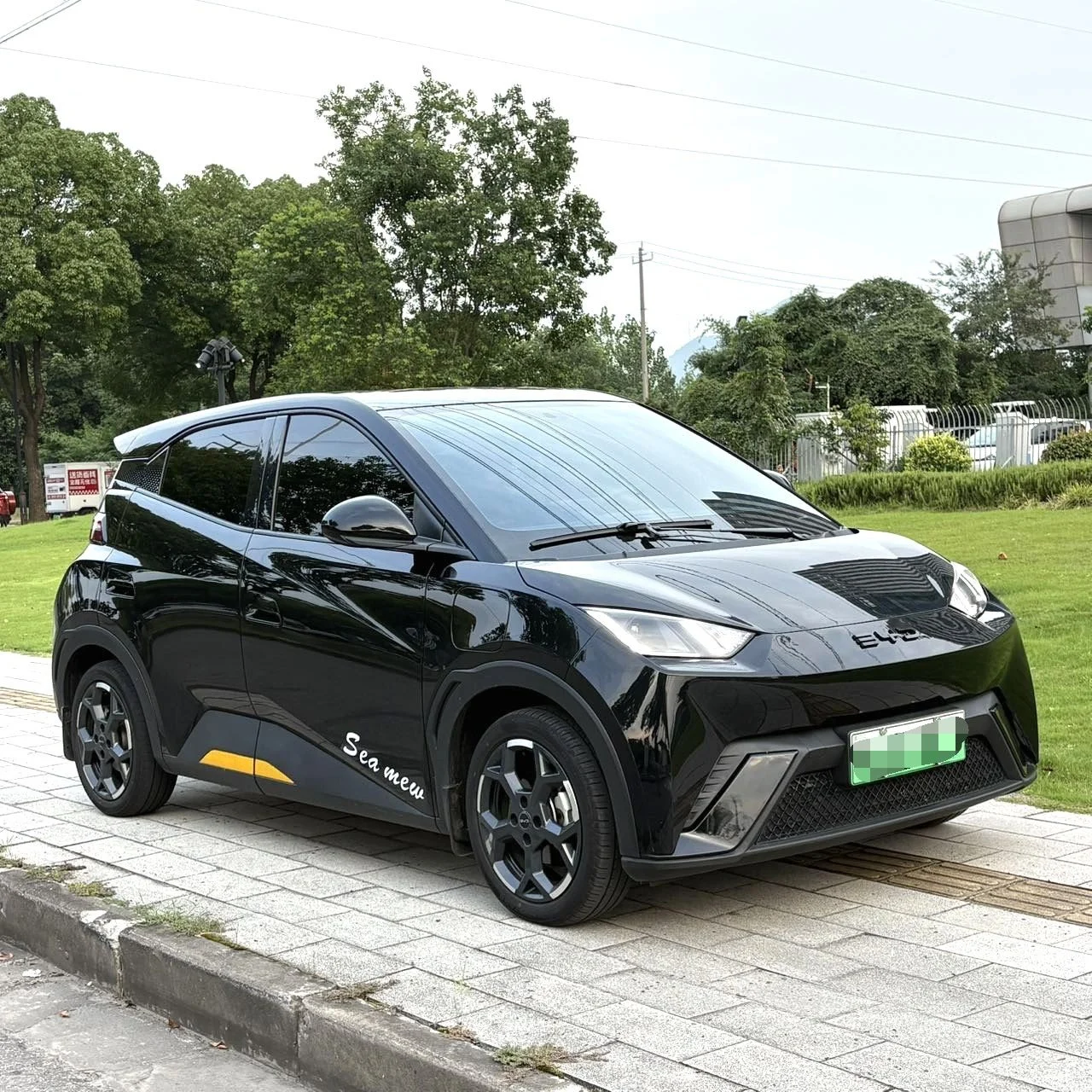
2025 BYD Seagull (Dolphin Mini) 305km Freedom Edition – Compact City EV | Ready to Ship
- 2024
- 35,000 km
- Automatic
- Electric
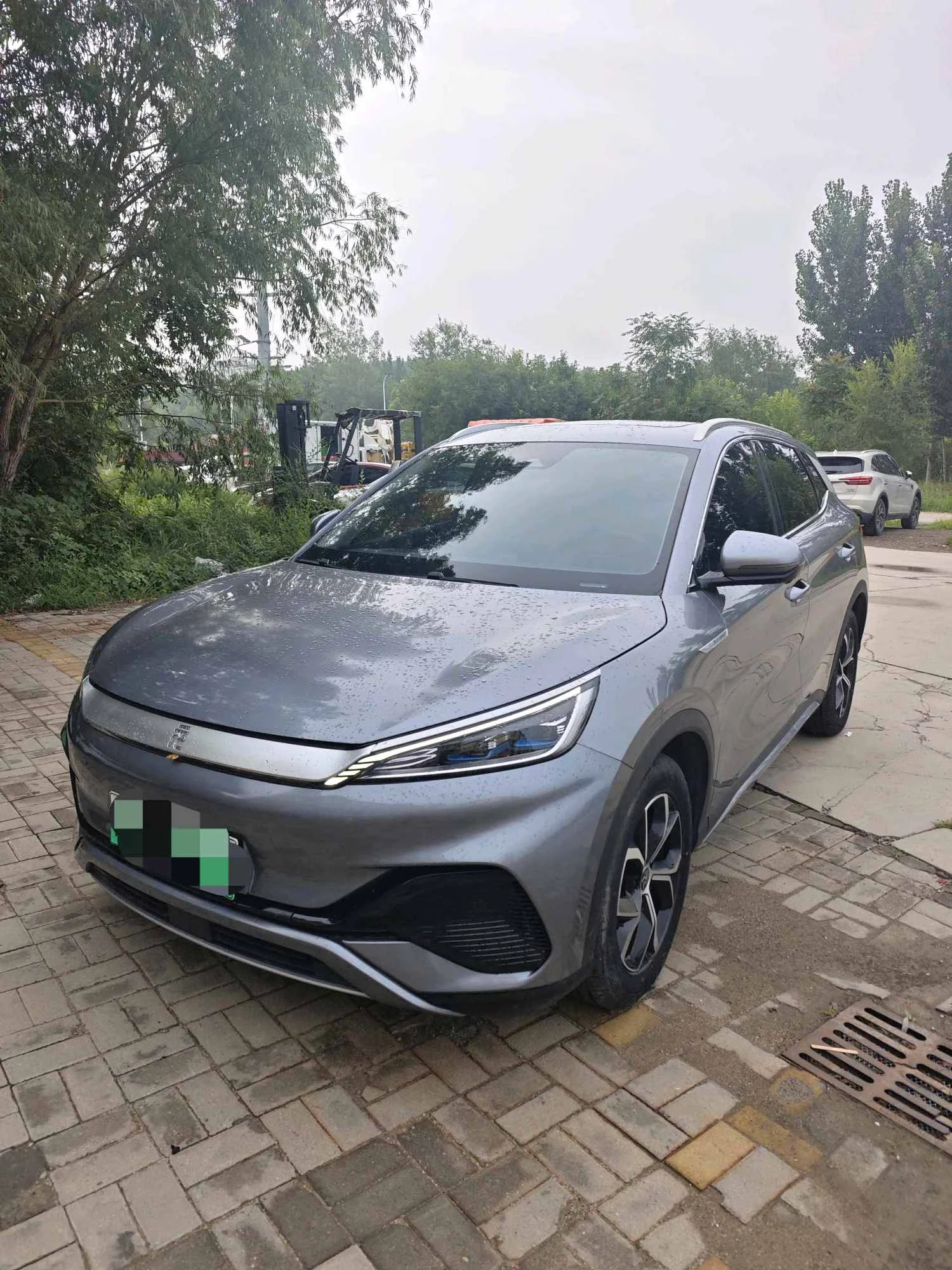
2023 BYD Yuan PLUS (Atto 3) Champion Edition 430KM Beyond (204HP / Blade Battery) EV SUV
- 2023
- 21,000 km
- Automatic
- Electric
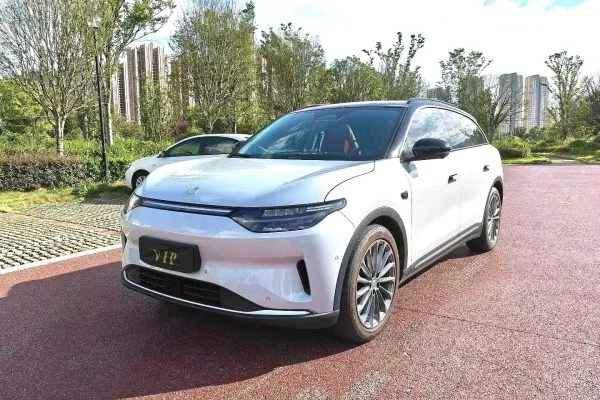
2024 Leapmotor C11 580 Premium Edition for Sale – 272 hp EV, 580 km Range, Export Ready
- 2024
- 21,000 km
- Automatic
- Electric

2023 XPENG G6 755 Long Range Pro (218kW / 296HP / 800V SiC) Electric Coupe SUV
- 2024
- 59,000 km
- Automatic
- Electric