









Used Chinese EVs vs Local Used EVs: 2026 Price Gap

A used Chinese EV typically lands 25-40% cheaper than a comparable local used EV in 2026, even after shipping and duty. The gap comes from China’s huge domestic supply of off-lease EVs, not from worse build quality.
This comparison matters because it is the single question every importer asks. The answer is not “always cheaper” — it depends on the model, the destination duty and how you handle certification. Here is the honest breakdown.
How big is the real price gap?
Take a 2024 Xiaomi SU7 Founder Edition with 700 km range: about $28,000-$33,000 FOB China. A similarly sized used European EV with comparable range typically sells for $45,000-$60,000 in the same markets. Add $2,000-$3,500 in shipping and duty, and the Chinese car still lands below the local option.
The gap narrows on premium models. A used Zeekr 007 GT undercuts an equivalent German EV by less once you factor in duty and the cost of flying in parts.
Where do Chinese EVs clearly win?
- Range per dollar: a $30,000 Chinese EV often offers 600-700 km CLTC where a local rival offers 400-500 km.
- Battery tech: LFP and Blade packs are common, and they age more slowly than early NMC cells.
- Feature depth: large screens, panoramic roofs and 360-degree cameras are standard, not options.
- Supply: China’s used EV pool is enormous, so selection and spec choice are far wider.
Where do local used EVs win?
Service and resale. A local brand has dealers, parts and warranty backup. A Chinese import often relies on independent shops and parts shipped from China, which adds two to six weeks to a repair. Resale value on a Chinese EV in a market with no brand presence can be soft.
Certification is the other hidden cost. In the EU, a non-homologated Chinese EV needs single-vehicle approval costing $3,000-$6,000. In many Gulf, African and Southeast Asian markets, the paperwork is far lighter.
How do the totals compare in 2026?
For a mid-size electric sedan shipped to a Gulf market:
- Used Chinese EV, FOB China: $28,000
- Freight, insurance, documents: $2,200
- Import duty at 5%: $1,400
- Landed: about $31,600
A comparable local used EV with similar range: $44,000-$55,000. The gap of $12,000-$23,000 is real, and it is why trade volumes keep climbing.
Should you buy Chinese or local?
Buy Chinese if you are price-sensitive, comfortable sourcing parts, and in a market with light certification rules. Buy local if you need dealership support, strong resale, or you are financing through a bank that will not lend against an import without a brand presence.
The biggest risk is not quality — it is assuming the savings are pure profit. Budget for parts logistics, one certification round and a battery health scan on every unit before you count the margin.
Key Takeaways
- Used Chinese EVs land 25-40% below local equivalents in 2026.
- A $28,000 Chinese EV can reach a Gulf port for about $31,600 landed.
- Chinese EVs lead on range per dollar and standard features.
- Local EVs win on service, parts and resale.
- Budget for certification and parts logistics before counting savings.
Related Vehicles
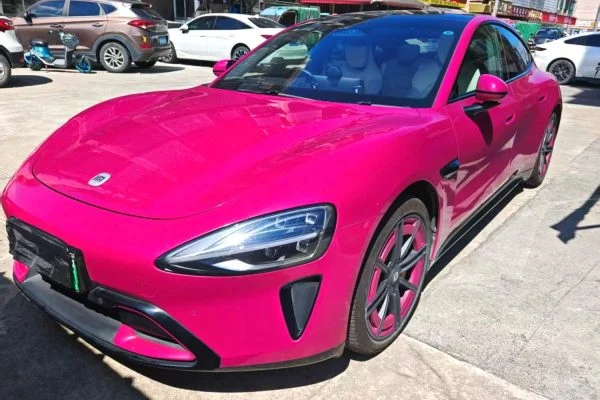
2024年式 Xiaomi SU7 ファウンダーエディション RWD(299HP/航続距離700km) 電気セダン
- 2025
- 50,000 km
- Automatic
- Electric
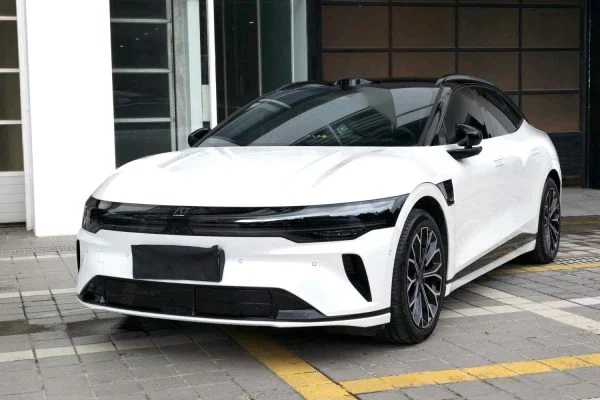
2025年式 Zeekr 007 GT RWD Smart Drive(422HP/75kWh/800V) 電気セダン
- 2025
- 22,000 km
- Automatic
- Electric
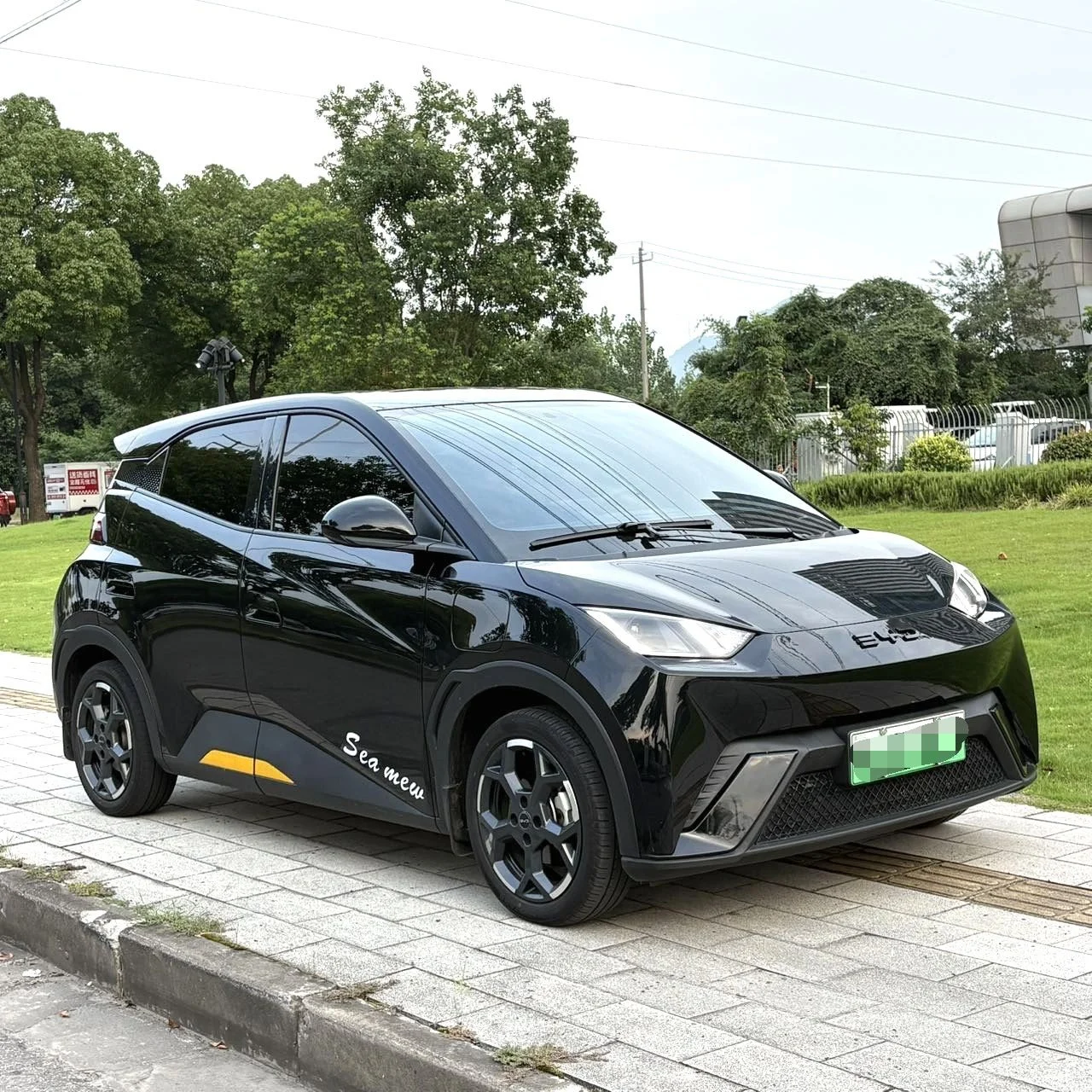
2025年式 BYD Seagull(Dolphin Mini)305km フリーダム・エディション – コンパクト都市型EV | 出荷準備完了
- 2024
- 35,000 km
- Automatic
- Electric