









China Used EV vs Local Used EV: Which Is Cheaper in 2026?
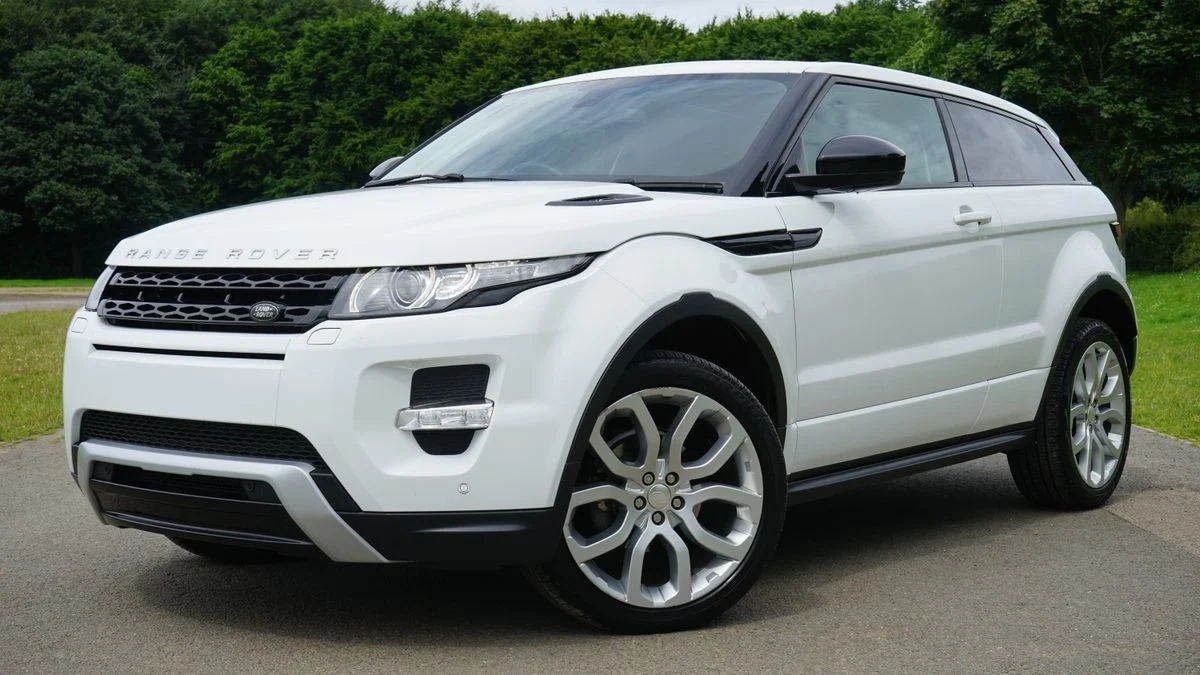
On sticker price, a used Chinese EV usually beats local used stock by $6,000 to $10,000 in 2026. A used BYD Seal DM-i leaves China around $13,500 FOB; a similar-age European plug-in sedan costs about $24,000 locally. Freight and duty close some of that gap, not all of it.
Specs tilt the same way. Chinese cars of the same price point carry more battery, more screens and more driver assistance. So why would anyone buy local? Support, certification and resale. That is the honest trade.
How big is the price gap really?
Take the 2024 BYD Seal DM-i 1.5L 121km Luxury Edition: 49,000 km, 197 hp, plug-in hybrid, roughly $13,500-$15,500 FOB. Import it to Europe and you add about $1,500 freight, 10% duty and 20% VAT, landing near $20,000 before registration. A local 2024 used PHEV sedan with similar mileage is $23,000-$26,000. The Chinese car is still cheaper by $3,000-$6,000.
For MPVs the gap widens. The 2024 Denza D9 DM-i 1050 Exclusive — a 7-seat luxury MPV with 1,050 km combined range — sits at $28,000-$34,000 FOB. The nearest European rival used is $50,000 and up. That is not a small difference.
Where does local stock win?
- Warranty. Local used EVs often carry a transferable balance; imported Chinese cars usually carry none unless you buy a dealer warranty.
- Certification. A locally-registered car is road-legal already. Your Chinese import needs individual approval in most EU states.
- Parts and service. European brands have dealer networks; Chinese brands are still building theirs outside China.
- Resale. Buyers trust local brands more, so local cars depreciate slower.
Who should import from China?
Importers with a service relationship — a workshop that can handle Chinese EVs, or a market where the brand already sells new. In the Gulf, Russia, Africa and Southeast Asia, imported Chinese used EVs make obvious sense because local alternatives are scarce or overpriced. In Western Europe the math is tighter, and the paperwork is heavier. I would not push a first-time private buyer into a Chinese import for the German market; a dealer with compliance experience is a different case.
Key Takeaways
- Chinese used EVs are $6,000-$10,000 cheaper than local used stock before import costs.
- After freight, duty and VAT, the saving narrows to $3,000-$6,000 in Europe.
- Local stock wins on warranty, certification and service network.
- Best fit for importing: Gulf, Russia, Africa, Southeast Asia — not first-time EU private buyers.
Related Vehicles
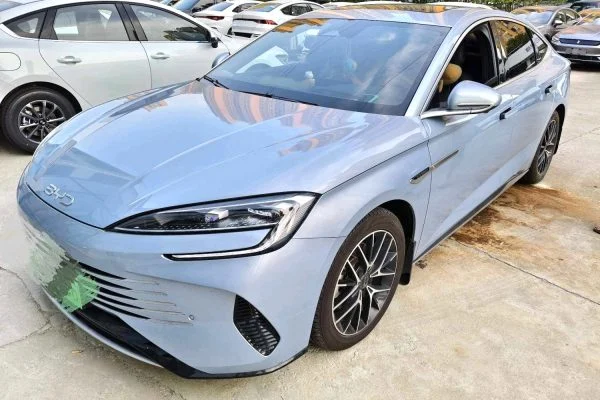
2024 BYD Seal DM-i 1.5L 121km Luxury Edition (49,000 km / 197 HP) – Mid-Size PHEV Sedan
- 2024
- 49,000 km
- Automatic
- Hybrid
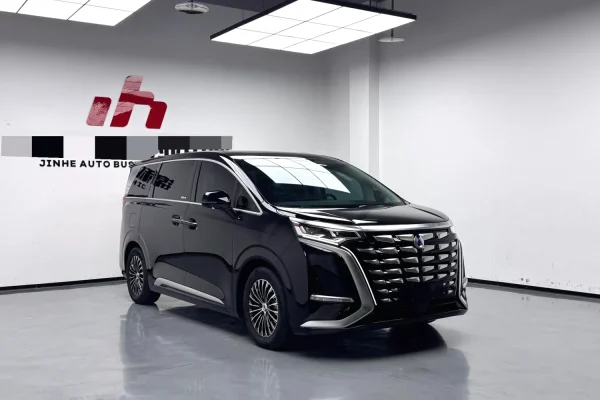
2024 BYD Denza D9 DM-i 980 4WD Executive (24,000 km / 407 HP) – Luxury Hybrid MPV
- 2025
- 24,000 km
- Automatic
- Hybrid

2024 BYD Denza D9 DM-i 1050 Exclusive (231HP / 1050km Range) 7-Seater Luxury MPV
- 2024
- 43,000 km
- Automatic
- Plug-in Hybrid