









How to Avoid Scams Buying Used EVs From China
The most common used EV export scam is a deposit paid for a car that never ships. The second is bait-and-switch: a clean car in the photos, a damaged one in the container. Both are avoidable if you know what to check before money moves.
What are the biggest red flags?
- Prices far below market. If a 2025 Zeekr 007 GT is offered at $18,000, it is not a bargain.
- Pressure to pay fast. Urgency is a tool, not a courtesy.
- No company registration. Real exporters have a verifiable business licence.
- Untraceable payment. Requests for crypto or personal bank transfers are a hard no.
- Reluctance to share the VIN. You cannot check anything without it.
Which documents must you see before paying?
Insist on four things: the original purchase invoice, proof of de-registration in China, a BMS battery scan, and a condition report with dated photos showing the VIN. A seller who cannot produce the invoice cannot prove they own the car. A seller who has not de-registered it cannot legally export it.
Cross-check the VIN against the vehicle’s history. Cheap online services can confirm accident records and whether a car was ever written off.
How should you pay for an exported car?
Use a letter of credit or an escrow service for anything over $10,000. Yes, it costs a fee. It also means the seller gets paid when the documents are real, and you keep your money when they are not. Paying a 30% deposit by direct transfer is normal only with a seller you have verified and bought from before.
Never pay a deposit for a car you have not inspected or had inspected. A third-party inspection costs $150-$400 and regularly saves buyers thousands.
What happens if the car arrives damaged?
This is where marine insurance earns its keep. Read the policy before shipping, not after. Standard cargo insurance covers transit damage but not a pre-existing condition that was never disclosed. That is why the dated, VIN-visible condition report matters as much as the insurance itself.
If the car does not match the contract, you need evidence. Photos taken at the port on arrival, compared against the pre-shipment report, are your case. Buyers who skip the pre-shipment report have no case at all.
Key Takeaways
- The most common scam is a deposit for a car that never ships.
- Red flags include below-market prices, payment pressure and untraceable payment methods.
- Demand the original invoice, de-registration proof, BMS scan and dated VIN photos.
- Use a letter of credit or escrow for purchases over $10,000.
- A $150-$400 third-party inspection is the cheapest insurance you can buy.
Related Vehicles
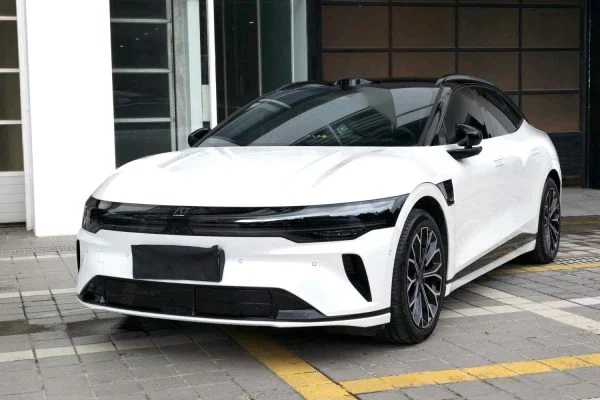
2025 Zeekr 007 GT RWD Smart Drive (422HP / 75kWh / 800V) Electric Sedan
- 2025
- 22,000 km
- Automatic
- Electric
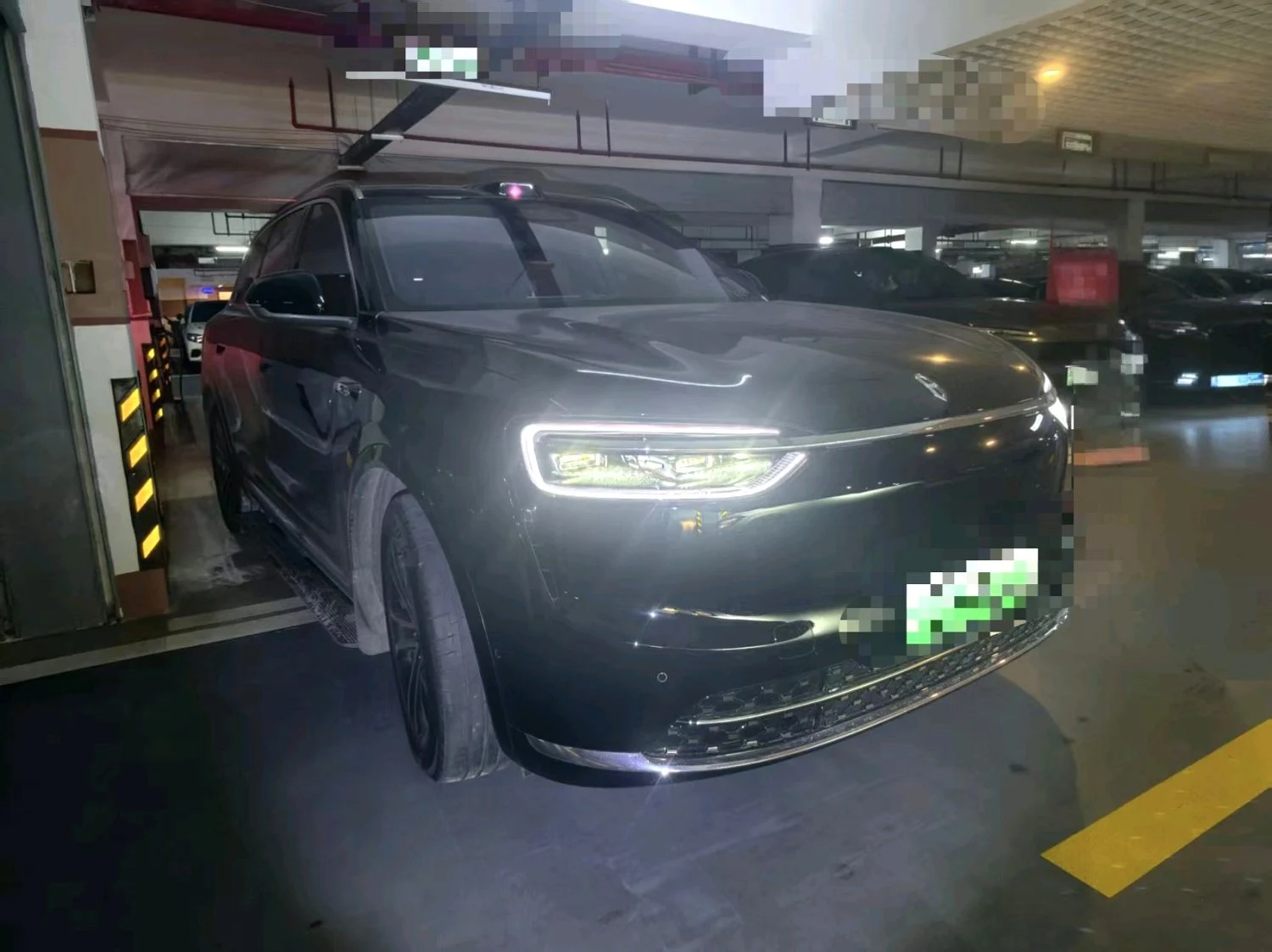
2026 AITO M7 Ultra EREV 4WD (449HP / 192-Line LiDAR) 5-Seater Luxury SUV
- 2025
- 4,000 km
- Automatic
- Plug-in Hybrid
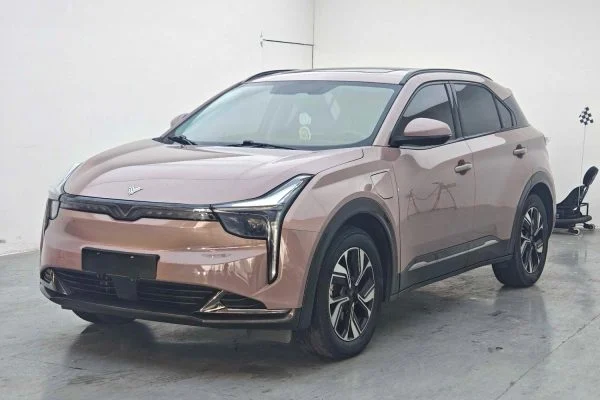
2022 Neta U-Ⅱ 400 LFP Electric SUV for Sale – 163 hp EV, 401 km Range, Export Ready
- 2022
- 24,000 km
- Automatic
- Electric