









Used EV Battery Health: How to Read a China BMS Scan

What about the manufacturer warranty?
Most Chinese brands warrant the drive battery for eight years or 120,000-160,000 km to the first owner. Export usually voids or limits that cover because the car leaves the domestic service network. A few brands will transfer a residual warranty to an overseas owner, but you must ask before buying. Do not assume it follows the car.
Key Takeaways
- Demand a BMS scan; 90%+ SoH and under 50 mV cell delta is the pass mark.
- Check SoH, cell delta, cycle count and temperature history, not just range.
- LFP degrades slower than NMC; an NMC pack at 88% needs scrutiny.
- Verify the scan VIN and mileage against the car, and assume no export warranty.
A solid used EV battery health check in China means one thing: a BMS scan showing state of health above 90% with a cell voltage delta under 50 mV. If a seller will not produce that scan, treat the car as having a failing pack and price it accordingly.
Chinese-market EVs all expose battery data through the onboard BMS. That data is the closest thing you get to a warranty on a used car. The problem is that sellers know most overseas buyers cannot read it.
What is a BMS scan and why does it matter?
The battery management system is the computer that watches every cell. A scan pulls the pack’s history: how much capacity is left, how balanced the cells are, how many charge cycles it has done and the highest and lowest cell voltages. Unlike a dashboard range estimate, it cannot be faked by a full charge.
Which numbers should you actually look at?
- State of Health (SoH): 95%+ is near-new; 90-95% is normal for a three-year-old car; below 85% means real range loss
- Cell voltage delta: under 30 mV is healthy; 50-80 mV means balancing issues; over 100 mV flags a weak module
- Cycle count: LFP packs are rated around 3,000-4,000 cycles, NMC around 1,500-2,000
- Max cell temperature history: repeated 55°C+ events shorten life
A 2024 Leapmotor T03 with 403 km of rated range should still show close to 380 km of usable range at 90% SoH. If the seller claims full range after three years, ask for the scan.
LFP or NMC: which ages better?
LFP packs, like those in the BYD Seagull and many Geely models, degrade slowly and tolerate being charged to 100%. NMC packs, common in performance cars, lose capacity faster and prefer an 80% daily ceiling. A five-year-old NMC pack at 88% SoH is more concerning than an LFP pack at the same number, because NMC tends to fall faster after that point.
How do you verify the scan is genuine?
Three checks. First, the scan should come from the car’s own diagnostic port, not a screenshot of a screenshot. Second, the VIN on the report must match the car’s VIN plate. Third, the mileage on the report should match the odometer within a few hundred km. Odometer rollback is common enough in cross-border trade that mismatches are a red flag.
Where the seller resists, offer to pay for an independent third-party scan and deduct it from the price. Honest sellers agree. The ones who refuse just told you something.
What about the manufacturer warranty?
Most Chinese brands warrant the drive battery for eight years or 120,000-160,000 km to the first owner. Export usually voids or limits that cover because the car leaves the domestic service network. A few brands will transfer a residual warranty to an overseas owner, but you must ask before buying. Do not assume it follows the car.
Key Takeaways
- Demand a BMS scan; 90%+ SoH and under 50 mV cell delta is the pass mark.
- Check SoH, cell delta, cycle count and temperature history, not just range.
- LFP degrades slower than NMC; an NMC pack at 88% needs scrutiny.
- Verify the scan VIN and mileage against the car, and assume no export warranty.
Related Vehicles
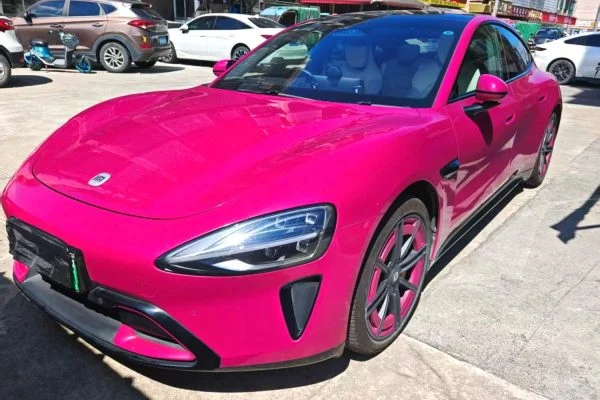
2024 Xiaomi SU7 Founder Edition RWD (299HP / 700km Range) Electric Sedan
- 2025
- 50,000 km
- Automatic
- Electric
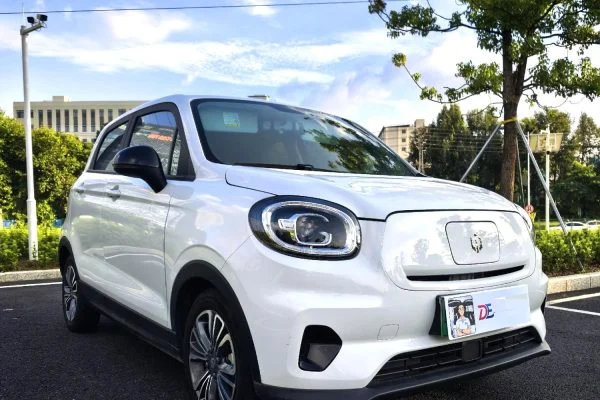
2024 Leapmotor T03 403 Comfort Edition for Sale – 109 hp EV, 403 km Range, Export Ready
- 2024
- 11,000 km
- Automatic
- Electric
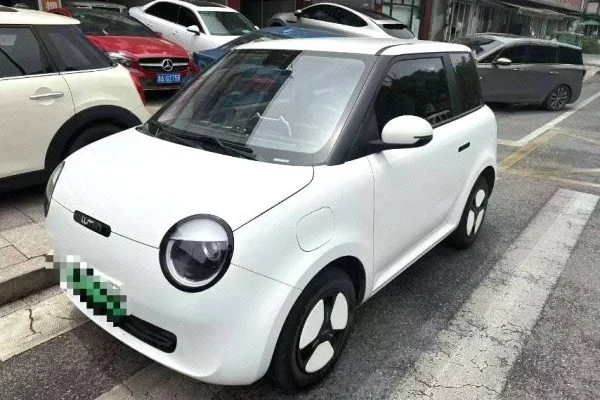
2022 Changan Lumin 301km Mitian Edition (35kW / 48HP) Mini Electric City Car
- 2022
- 18,000 km
- Automatic
- Electric
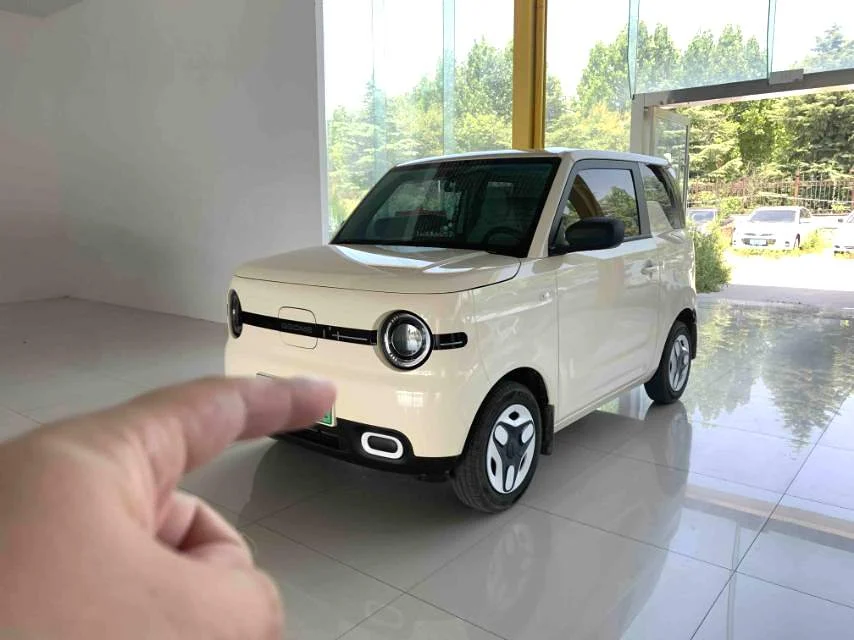
2025 Geely Panda Mini EV (210km Range / 22kW Fast Charge) Electric City Car
- 2025
- 9,000 km
- Automatic
- Electric