









Shipping a Used EV From China to Europe: 2026 Costs

Which ports handle used EV exports best?
Shanghai and Ningbo dominate for central and eastern China. Guangzhou and Shenzhen serve the south. On the European side, Rotterdam, Bremerhaven, Antwerp and Le Havre have the customs experience and the space. Smaller ports sometimes quote lower but add inland trucking that wipes out the saving.
Match the Chinese port to where the car actually is. Moving a car 1,200 km across China to reach a cheaper sailing usually costs more than the rate difference.
Key Takeaways
- Expect $1,200-$2,800 per car for China-Europe used EV shipping in 2026.
- RoRo is cheaper for one car; a shared container wins for two.
- Ship with the battery at 30-50% state of charge or the line may refuse it.
- Add 10% EU duty plus port, broker and inland fees before comparing prices.
Shipping a used EV from China to Europe costs $1,200-$2,800 per car on a shared container or RoRo service in 2026, and the transit runs 28-45 days port to port. If someone quotes you $600, they are pricing a motorcycle or leaving out port charges.
Rates move with fuel and congestion, so treat any quote older than two weeks as a rumour. Here is how the money breaks down and where importers get caught.
RoRo or container: which is cheaper for a used EV?
RoRo (roll-on/roll-off) is usually cheaper for a single car and needs no packing. Container gives better protection and lets you ship spares with the car. The catch is that EVs are classed as dangerous goods for shipping because of the lithium pack, so some carriers charge a surcharge or refuse older packs.
- RoRo to Rotterdam: $1,300-$2,000, 30-40 days
- 20ft container (one car): $1,600-$2,400, 28-35 days
- Shared container with two cars: $1,100-$1,600 per car
- Li-ion handling surcharge: $60-$200
Cars above a certain battery state of charge are often refused. Most lines want the pack between 30% and 50%.
What port and paperwork fees do people forget?
Plenty. The ocean leg is the visible cost; the rest shows up on the invoice late.
- China terminal handling and export documentation: $150-$350
- Customs broker at destination: $120-$300
- EU import duty: 10% of CIF value
- Destination port storage if you are slow: $25-$45 per day
- Local transport from port to your address: $200-$600
A 2026 AITO M7 Ultra is a large SUV, so it eats more container space than a sedan and often triggers oversized handling. Size matters more than badge.
How long does the whole process take?
From payment to keys in hand, plan for eight to eleven weeks. Export licence and customs clearance in China take five to ten working days. The vessel is four to six weeks. Destination clearance and homologation add one to two weeks. Anyone promising four weeks is skipping a step you will pay for later.
Which ports handle used EV exports best?
Shanghai and Ningbo dominate for central and eastern China. Guangzhou and Shenzhen serve the south. On the European side, Rotterdam, Bremerhaven, Antwerp and Le Havre have the customs experience and the space. Smaller ports sometimes quote lower but add inland trucking that wipes out the saving.
Match the Chinese port to where the car actually is. Moving a car 1,200 km across China to reach a cheaper sailing usually costs more than the rate difference.
Key Takeaways
- Expect $1,200-$2,800 per car for China-Europe used EV shipping in 2026.
- RoRo is cheaper for one car; a shared container wins for two.
- Ship with the battery at 30-50% state of charge or the line may refuse it.
- Add 10% EU duty plus port, broker and inland fees before comparing prices.
Related Vehicles
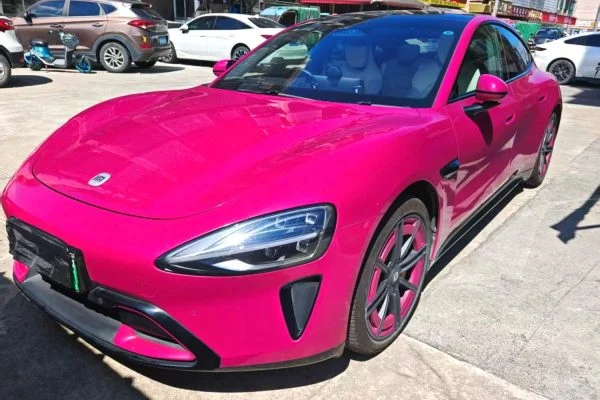
2024 Xiaomi SU7 Founder Edition RWD (299HP / 700km Range) Electric Sedan
- 2025
- 50,000 km
- Automatic
- Electric
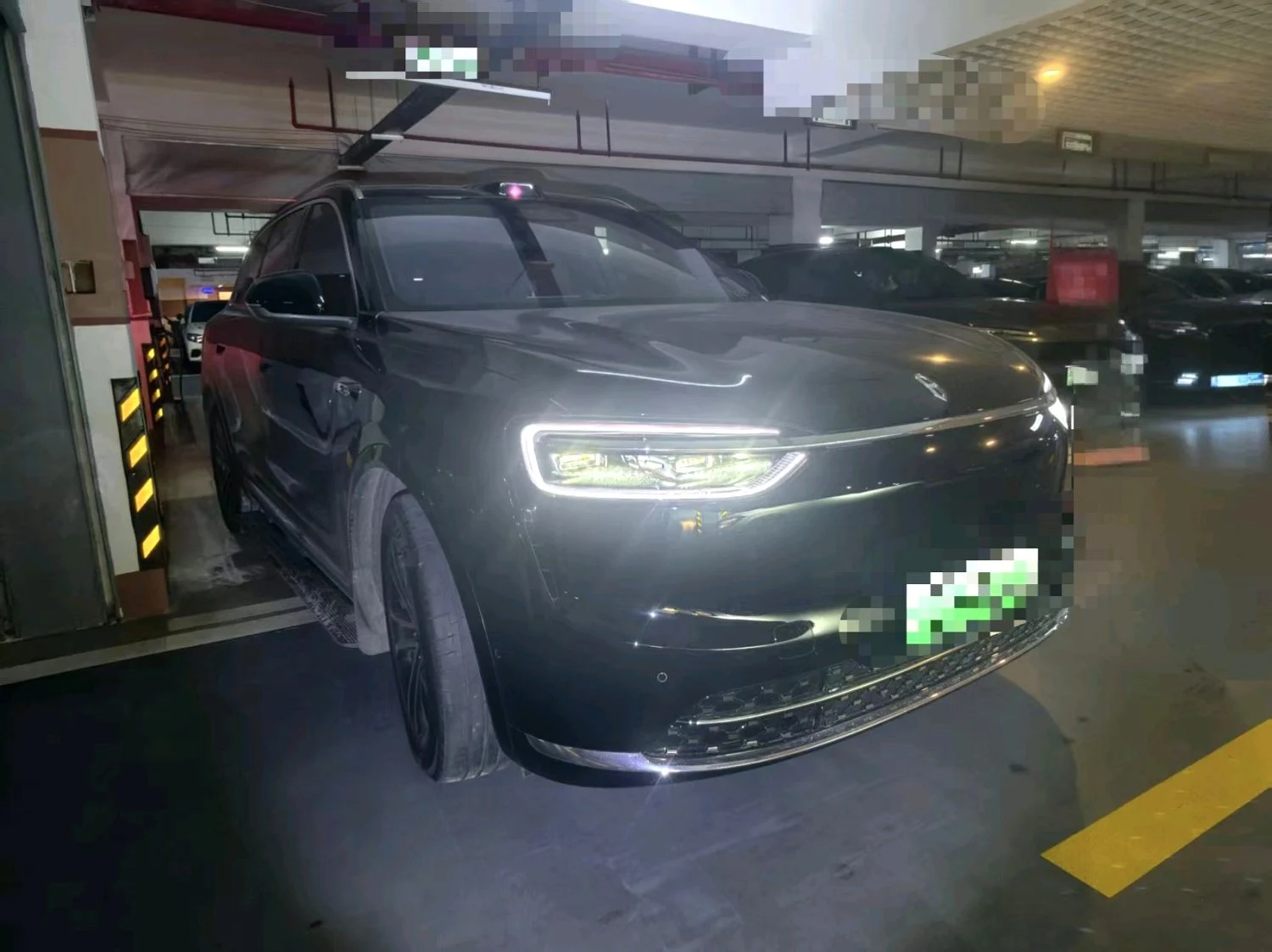
2026 AITO M7 Ultra EREV 4WD (449HP / 192-Line LiDAR) 5-Seater Luxury SUV
- 2025
- 4,000 km
- Automatic
- Plug-in Hybrid
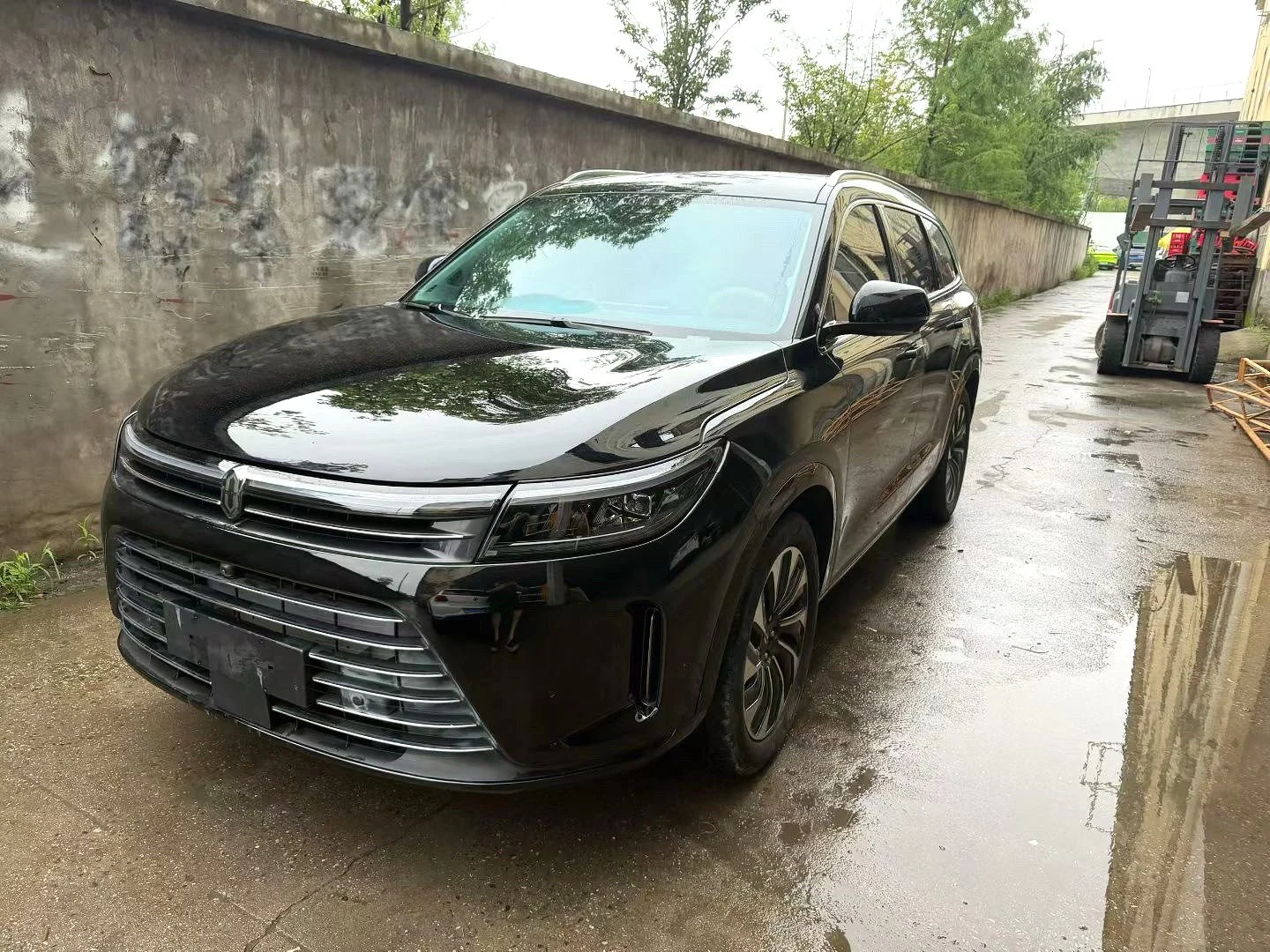
2024 AITO M7 Max RWD (Powered by Huawei ADS 2.0 / LiDAR) Extended Range SUV
- 2024
- 60,000 km
- Automatic
- Plug-in Hybrid
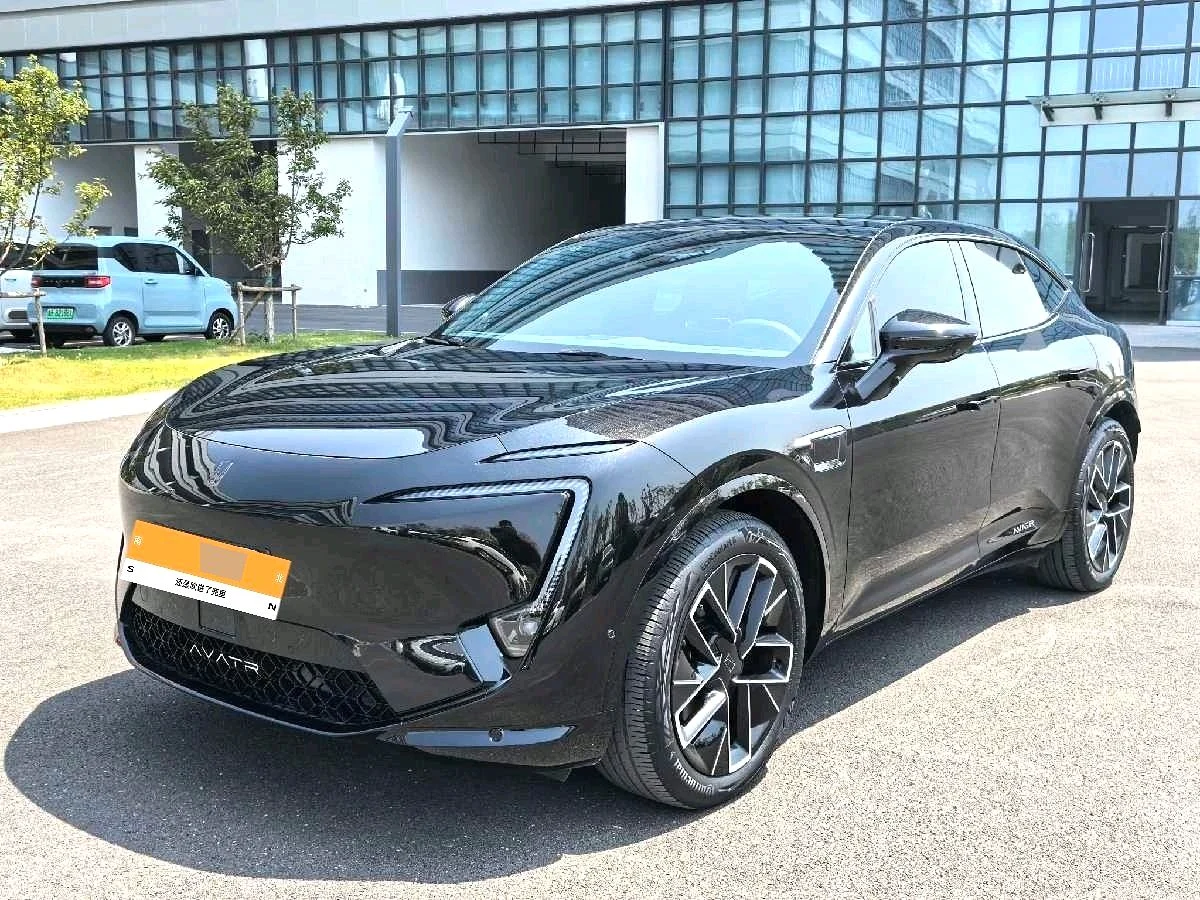
2025 Avatr 11 Max EREV RWD (310HP / Huawei ADS 3.0 Triple LiDAR) Luxury SUV
- 2025
- 7,000 km
- Automatic
- Plug-in Hybrid