









LFP or NCM? Used Chinese EV Batteries in 2026
LFP batteries last longer and handle heat better than NCM, but they store less energy per kilo. If you are exporting a used Chinese EV to a hot market in 2026, LFP is usually the safer choice.
Battery chemistry is the single biggest factor in how a used EV ages. It affects range loss, charging behaviour and how much the car is worth in three years’ time.
What is the difference between LFP and NCM?
LFP stands for lithium iron phosphate. NCM stands for nickel cobalt manganese. LFP is cheaper, safer and holds up better over thousands of charge cycles. NCM packs more energy per kilogram, so they give longer range from the same weight.
BYD’s Blade battery is LFP. Many earlier Chinese EVs, including several Mercedes and GAC models built for China, used NCM.
Which chemistry degrades more slowly?
LFP. A well-treated LFP pack can run 3,000-5,000 full cycles before dropping to 80% capacity. NCM typically reaches the same point at 1,500-2,500 cycles.
- LFP: 3,000-5,000 cycles, tolerates 100% daily charging, heat-resistant
- NCM: 1,500-2,500 cycles, prefers 20-80% charging, more heat-sensitive
- LFP: ~15-20% heavier per kWh
- NCM: 15-25% longer range from the same pack weight
Does LFP really matter in hot climates?
Yes. High ambient temperatures accelerate NCM degradation more than LFP, especially when the car is frequently fast-charged. In the Gulf, Africa and parts of South America, an LFP car will typically hold its range better over five years.
The trade-off is winter. LFP loses more usable range in cold weather and charges more slowly at low temperatures. If your market has real winters, NCM may serve better.
Which used models use which chemistry?
BYD’s lineup is almost entirely LFP. The 2021 BYD Song Plus EV uses a Blade LFP pack with 505 km range. The 2024 Leapmotor T03 also runs LFP, which is why it ages gracefully despite its low price.
NCM appears in cars prioritising range and weight, such as the 2018 Porsche Cayenne‘s hybrid variants and some premium Chinese sedans. More range, faster degradation if abused.
How do you check battery health before buying?
Ask for a state-of-health (SOH) report from a brand service centre. Above 90% is good on a three-year-old car; below 85% means you will notice reduced range. Also ask how the car was charged — a lifetime of daily 100 kW fast charging is harder on any pack than slow home charging.
Key Takeaways
- LFP lasts 3,000-5,000 cycles versus 1,500-2,500 for NCM.
- LFP handles heat better; NCM handles cold better and gives more range per kilo.
- BYD and Leapmotor models use LFP and age well in hot markets.
- Always get an SOH report — above 90% is acceptable on a three-year-old car.
Related Vehicles

2021 BYD Song PLUS EV Luxury Edition (505km Range / Blade Battery) – Electric SUV
- 2023
- 50,000 km
- Automatic
- Electric
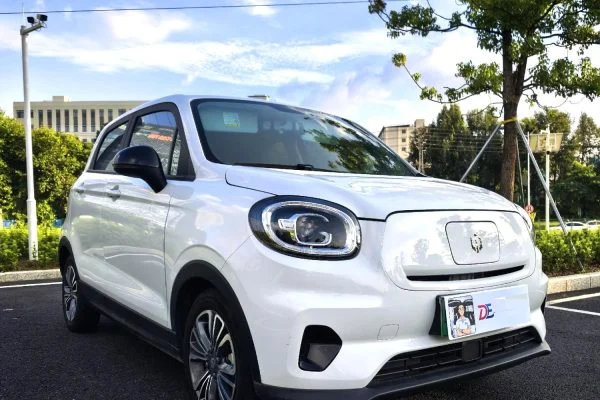
2024 Leapmotor T03 403 Comfort Edition for Sale – 109 hp EV, 403 km Range, Export Ready
- 2024
- 11,000 km
- Automatic
- Electric

2018 Porsche Cayenne 3.0T US Spec for Sale – 340 hp AWD Luxury SUV, 8-Speed Tiptronic, Export Ready
- 2021
- 60,000 km
- Automatic
- Petrol