









EV Battery Warranty After Export: 2026 Buyer Rules

Most Chinese EV battery warranties do not transfer when the car is exported. As a rule in 2026, assume the factory’s 8-year/150,000 km battery cover ends the moment the vehicle leaves China — and price that gap into your offer.
This catches importers out constantly. The seller shows a glossy warranty booklet, the buyer assumes it is global, and eighteen months later a degraded pack becomes a five-figure problem with nobody to bill. Understanding exactly what follows the car is worth real money.
Do Chinese EV battery warranties work overseas?
Rarely. BYD, GAC, Geely and most others warrant batteries only through their domestic dealer network. A warranty claim needs a Chinese dealer to inspect and approve it, and the car has to be in China to receive a replacement pack. Once exported, the cover is effectively dormant.
A few brands offer limited international coverage on selected models, but terms vary by destination and are rarely generous. Read the specific warranty text, not the marketing summary.
What usually survives export?
Structural recalls sometimes follow the VIN globally, and a handful of safety-related defects can be serviced at a brand’s overseas partner. Battery capacity guarantees, free charging credits and roadside assistance almost never survive.
For most used imports, plan on zero factory backing. That is not a reason to avoid Chinese EVs — it is a reason to buy a car whose pack is healthy at the start.
How should you price the missing warranty?
Self-insuring battery risk is a numbers game. A replacement pack for a compact EV like the BYD Seagull runs $3,000-$5,000 landed; for a larger model, $7,000-$12,000. Rebuilds using second-life cells can cut that by half but carry their own risk.
A working rule: if a car is near the end of its capacity guarantee and has no transferable cover, discount the price by 8-15% versus a comparable car with a verified healthy pack. Buyers who ignore this overpay in the long run.
How do you reduce the risk before paying?
- Demand a BMS state-of-health report: above 90% is good, 85-90% is acceptable on a cheap car, below 80% is a hard pass.
- Check charge history: heavy DC fast-charging shortens pack life; a car charged mostly at home is preferable.
- Verify odometer against battery cycles: mismatches suggest tampering.
- Buy LFP where possible: LFP packs (common in BYD models like the Qin PLUS DM-i) age more gracefully than early NMC.
- Inspect for flood or accident repair: battery trays are a common area for hidden damage.
Should you buy an exported EV without a warranty?
Yes, if the discount reflects the risk and you have local technicians who can work on the car. No, if you are paying near-new prices or you have no independent EV workshop within reach. A small city EV like a Geely Panda Mini is a low-stakes way to test the water — its pack is small and cheap.
The bottom line: treat battery warranty as gone, verify health for yourself, and negotiate as if you will eventually pay for a pack. Do that, and the economics still work.
Key Takeaways
- Chinese EV battery warranties generally do not transfer on export in 2026.
- Replacement packs cost $3,000-$5,000 for compact cars, up to $12,000 for large ones.
- Discount a warranty-less car by 8-15% versus a verified healthy equivalent.
- Demand a BMS health report; reject anything below 80%.
- LFP packs outlast early NMC chemistry.
Related Vehicles
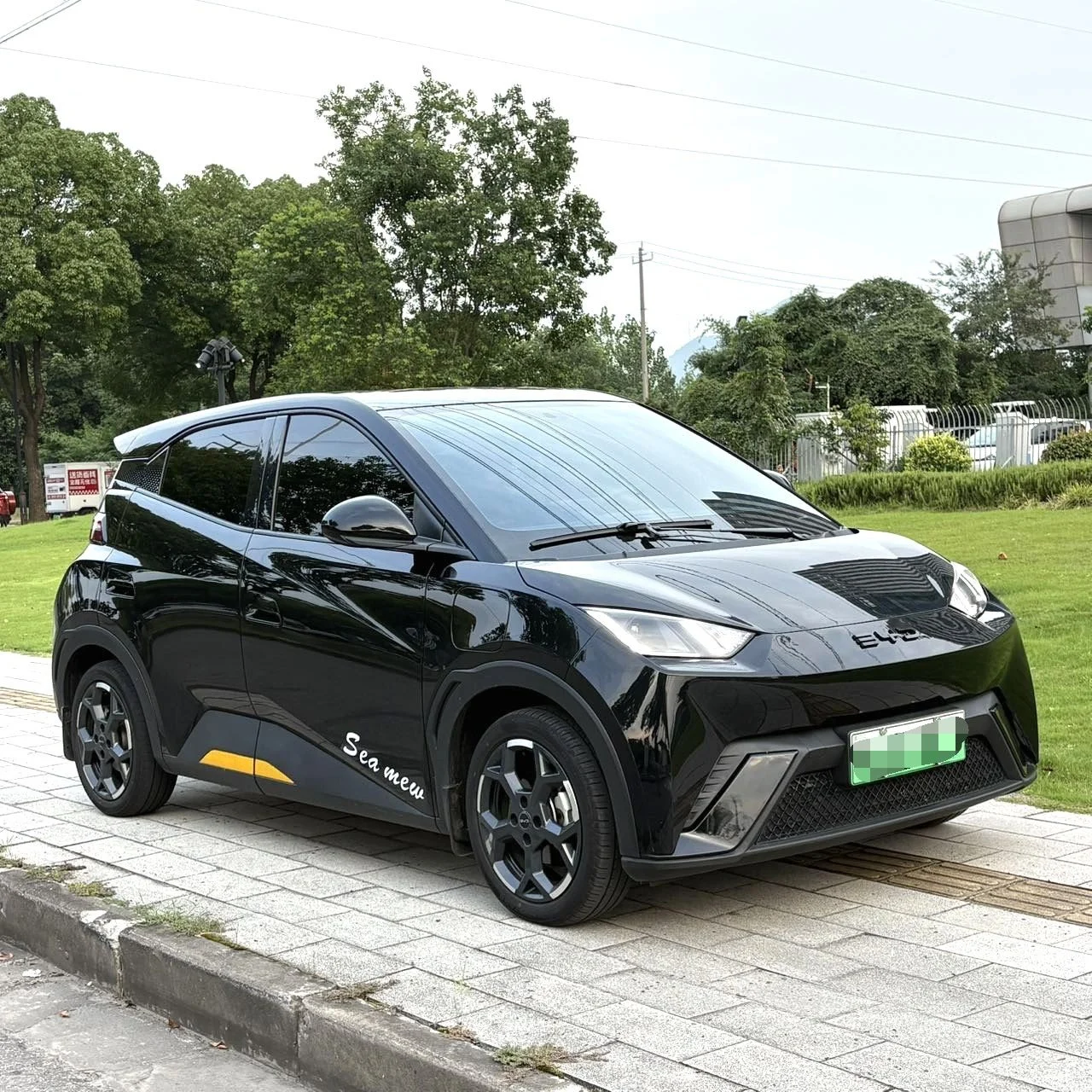
BYD Seagull (Dolphin Mini) 2025, 305 km, edición Freedom: vehículo eléctrico urbano compacto | Listo para su envío
- 2024
- 35.000 km
- Automatic
- Electric
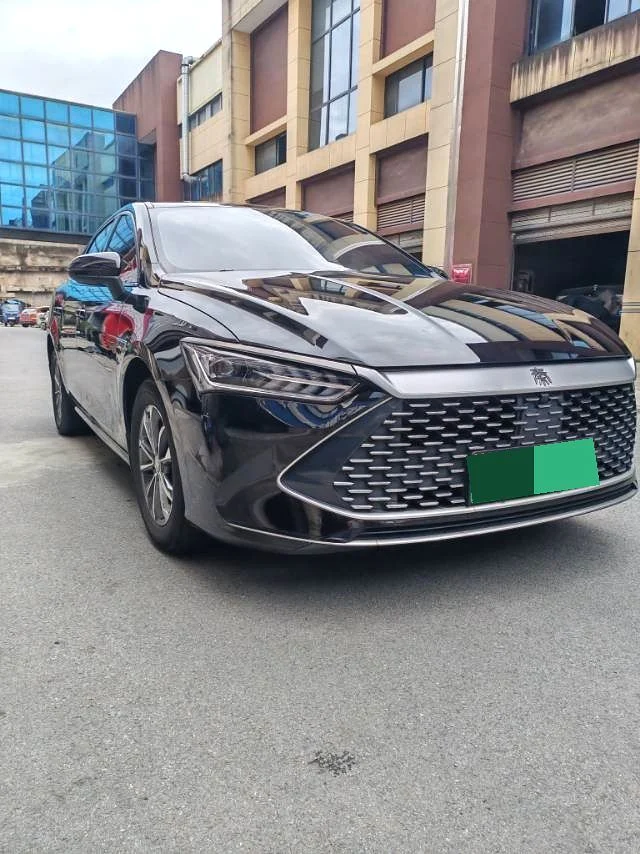
Sedán híbrido BYD Qin PLUS DM-i 55KM Premium (1,5 l PHEV / batería Blade) de 2021
- 2023
- 78.000 km
- Automatic
- Plug-in Hybrid
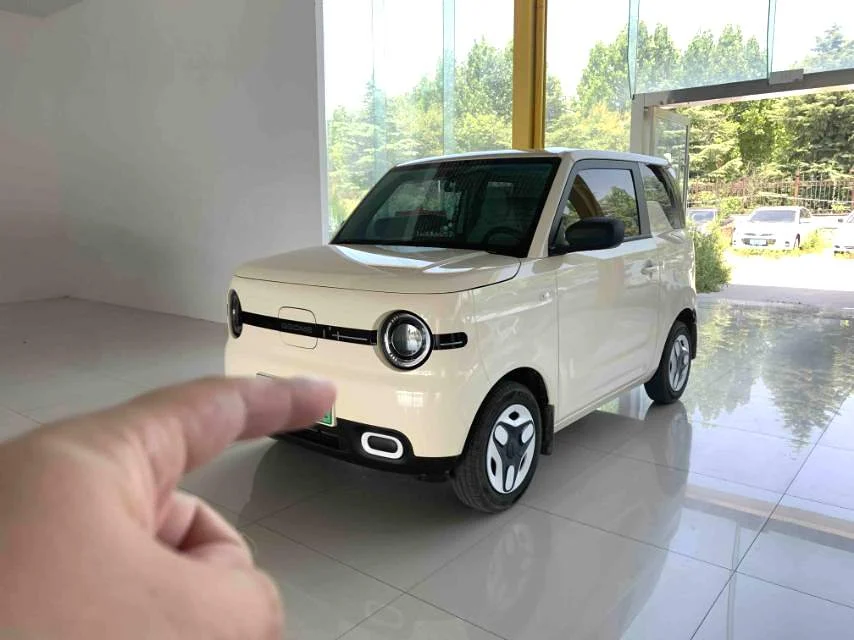
Geely Panda Mini EV 2025 (autonomía de 210 km / carga rápida de 22 kW), coche eléctrico urbano
- 2025
- 9.000 km
- Automatic
- Electric