









Shipping a Used EV from China in 2026: Rules, Costs, Timelines

Shipping a used EV from China in 2026 requires a UN38.3 battery test report, an MSDS, a commercial invoice and an HS code declaration; ocean freight runs $1,200-$2,400 and transit takes 18-45 days. Miss the UN38.3 paperwork and the container does not sail.
Electric cars are dangerous goods on paper because of the lithium pack. That single fact drives most of the paperwork, most of the delay and most of the cost overruns in a used-EV export deal. The car itself is simple. The documents are not.
What documents does a used EV export need in 2026?
Six items decide whether your container loads.
- UN38.3 test report for the battery pack — valid, model-specific
- MSDS for the lithium cells
- Commercial invoice and packing list with VIN and HS code
- Certificate of origin for duty preference
- Export licence for used vehicles (China requires one per shipment)
- Dangerous goods declaration if shipping as a fully charged unit
Buyers most often lose time on UN38.3. Sellers who export regularly keep a current report on file per model. Ask for it before you sign, not after. On a 2024 Xiaomi SU7 or a 2023 GWM Tank 400 PHEV, the report exists; on an odd grey-import model, it may not.
What does sea freight cost in 2026?
Rates moved little through 2026. A 20-foot container from Shanghai to Rotterdam cost $1,400-$1,900 in September 2026. To Jebel Ali about $900-$1,300. To Lagos or Mombasa $1,800-$2,400, because those routes turn slower and surcharges stack.
An EV can go in a container or on a RoRo deck. Containers cost more but protect the paint and let you add parts. RoRo is cheaper and faster to load but exposes the car to port handling. For a $30,000 car, container is the safer $400.
How long does it take port to port?
Shanghai to Jebel Ali runs 18-25 days. To Rotterdam 30-38 days. To West Africa 35-45 days. Add 5-10 days for export customs in China and another 5-15 for import clearance at the destination. A realistic door-to-door plan is 6-10 weeks.
What goes wrong, and how to avoid it?
The classic failure is a battery shipped at 100% state of charge. Lithium cells in transit should sit near 30-50%. Carriers reject over-charged packs, and some ports inspect. Tell your forwarder the state of charge before pickup, not when the container is at the gate.
The second failure is an unclear HS code. Used EVs are classified under 8703.80 in most markets. Get it wrong and your consignee pays the wrong duty and spends a week arguing with customs. The GWM Tank 400 Hi4-T and Xiaomi SU7 both cross as 8703.80 plug-in hybrids or EVs respectively. Get the sub-code right.
Key Takeaways
- Must-have: a valid UN38.3 report and MSDS, or the container will not load.
- Freight: $1,400-$1,900 to Rotterdam, $900-$1,300 to Jebel Ali in 2026.
- Transit: 18-25 days to the Gulf, 30-38 to Europe, 35-45 to West Africa.
- Charge: ship the battery at 30-50% state of charge.
- Code: most used EVs clear under HS 8703.80 — verify the sub-code.
Related Vehicles

2023 GWM Tank 400 Hi4-T 2.0T Ultra (408HP PHEV / 4WD) Off-Road Luxury SUV
- 2023
- 39,000 km
- Automatic
- Plug-in Hybrid
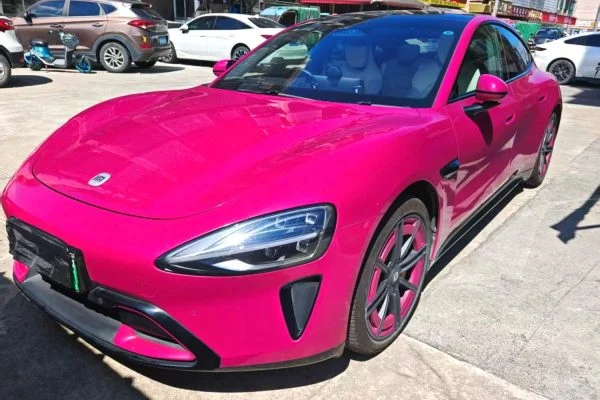
2024 Xiaomi SU7 Founder Edition RWD (299HP / 700km Range) Electric Sedan
- 2025
- 50,000 km
- Automatic
- Electric
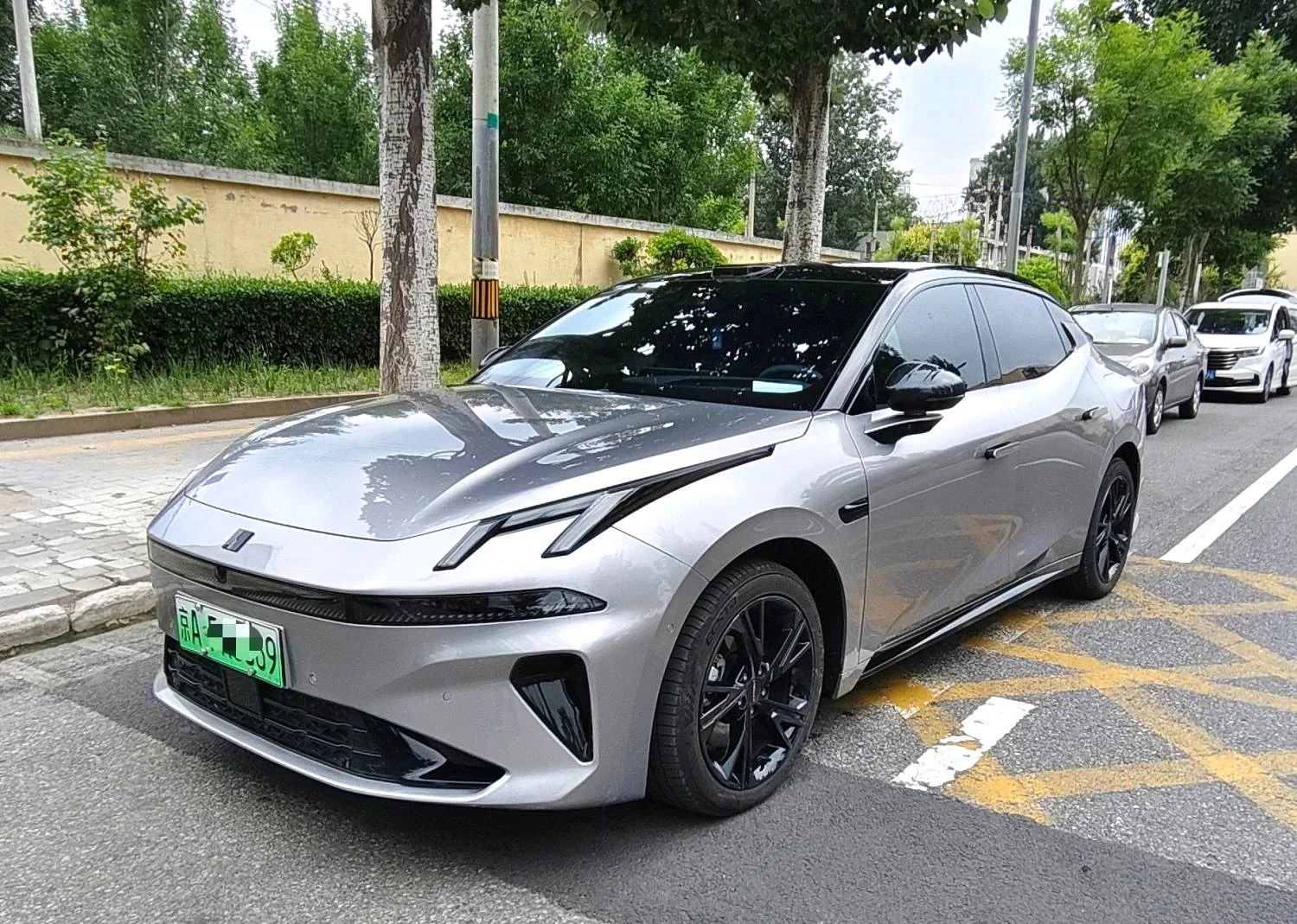
2026 Lynk & Co 07 EM-P 126 Ultra (408HP PHEV / 1450km Range) – Plug-in Hybrid Sedan
- 2026
- 13,000 km
- Automatic
- Plug-in Hybrid