


Buying a Used EREV in 2026: Battery and Range Extender Checks

Before buying a used EREV in 2026, demand two numbers: battery State of Health above 88%, and the generator’s total running hours. The second number is the one sellers hide, and it decides how much engine life is left.
EREVs like the Li Auto L7 and AITO M7 combine a large battery with a small petrol generator. That makes them flexible, and it doubles the things that can fail.
Why is the generator hour count so important?
An EREV’s 1.5T generator is not a normal car engine. It runs at fixed rpm to charge the battery, sometimes for hours at a stretch on a highway. Those are hard hours, and a car used as a long-distance shuttle may show 2,000-4,000 generator hours on a two-year-old unit.
At around 5,000 hours, expect a generator service: oil, filters, and possibly a valve check. Budget $600-$1,200.
| Check | Healthy value | Action if worse |
|---|---|---|
| Battery SoH | 88-96% | Above $1,500 discount or walk away |
| Cell voltage spread | under 50 mV | Weak module, request a replacement |
| Generator hours | under 2,500 | Service due soon, budget $600-$1,200 |
| DC fast-charge count | under 400 | Heavy fast charging shortens pack life |
| Total odometer | under 60,000 km | Range extender cars wear engine and battery |
How do you read a battery report for an EREV?
The report should show pack capacity, State of Health, and cell balance. For a CATL or BYD pack in an EREV, 88% SoH at 50,000 km is normal. Below 85% is a warning sign.
Ask specifically for the maximum cell voltage difference. Anything over 100 mV means one module is failing, and a replacement module is a $2,000-$3,500 job on top of labour.
What about the electric-only range claim?
Manufacturers quote 170-215 km of electric range for current EREV SUVs. Real-world figures in winter drop 25-35%. A used L7 that claims 195 km EV range will deliver around 130 km at 0C, which may not cover a daily commute.
We hold a 2023 Li Auto L7 Max AWD and a 2026 AITO M7 Ultra EREV, both with full battery and generator reports available.
Which EREV checks do most buyers forget?
- Air suspension, on models that have it, is a $1,500-$2,500 per-corner repair
- The 12V auxiliary battery on EREVs fails early and disables the whole car
- Lidar and ADAS cameras need calibration after any windscreen work
- The high-voltage cable harness can corrode in humid coastal markets
- Thermal management fluid should be changed on schedule, not skipped
Is a used EREV right for you?
Buy an EREV if you face long distances, weak charging, or cold winters. The petrol generator removes range anxiety and keeps the car usable in markets where pure EVs struggle.
Avoid an EREV if you want the lowest possible maintenance. Two powertrains mean two service schedules and more parts to fail. For city-only fleets, a pure EV is simpler and cheaper.
Key Takeaways
- Demand battery SoH above 88% and generator hours under 2,500 on a used EREV.
- Real electric range in winter is 25-35% below the manufacturer figure.
- Cell voltage spread over 100 mV signals a failing module worth $2,000-$3,500.
- Generator service at 5,000 hours costs $600-$1,200.
- EREVs suit long-distance and cold markets; pure EVs suit city fleets.
Related Vehicles
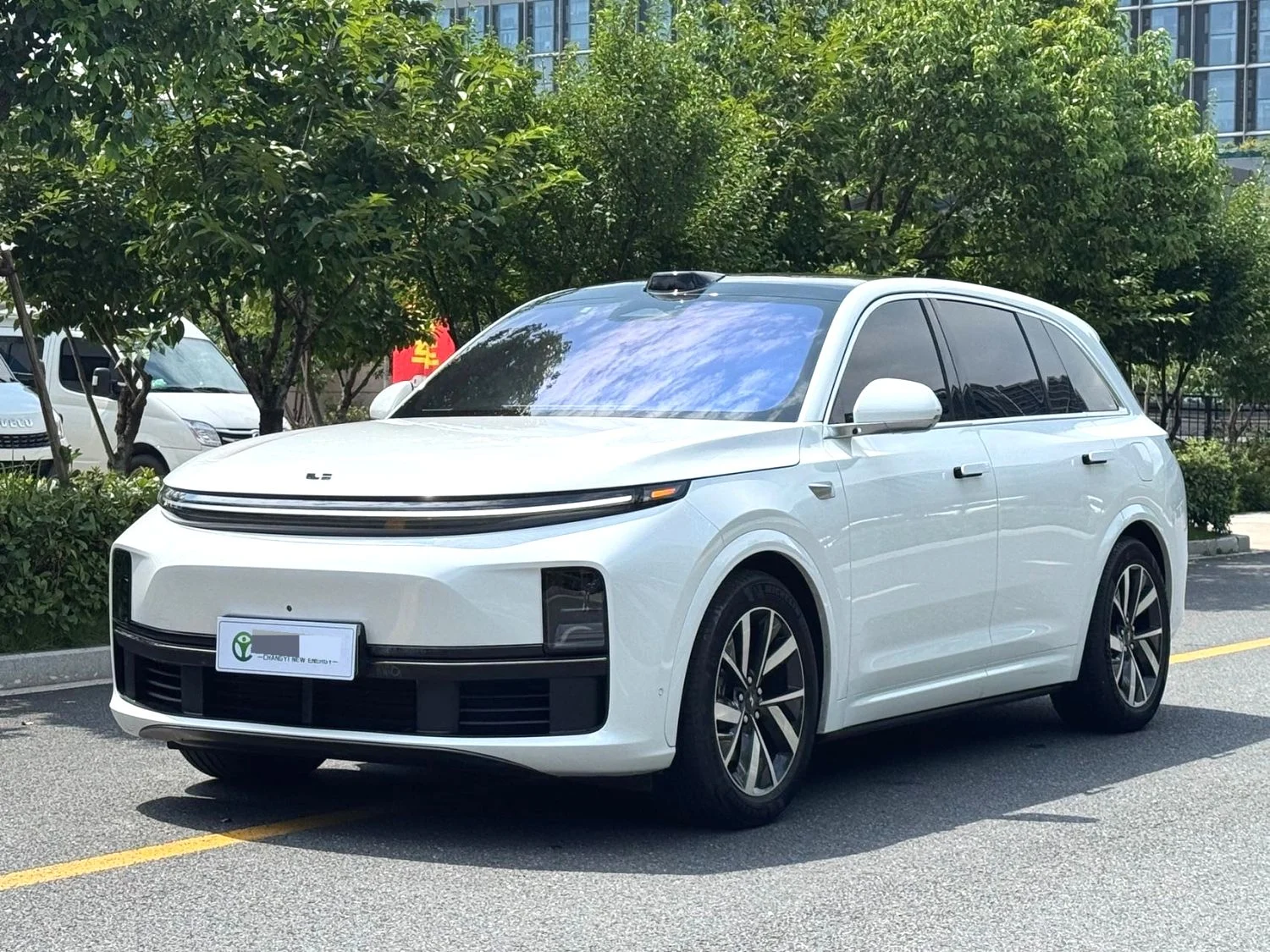
2023 Li Auto L7 Max AWD (449HP EREV / LiDAR & Air Suspension) Luxury 5-Seat SUV
- 2023
- 28,000 km
- Automatic
- Plug-in Hybrid
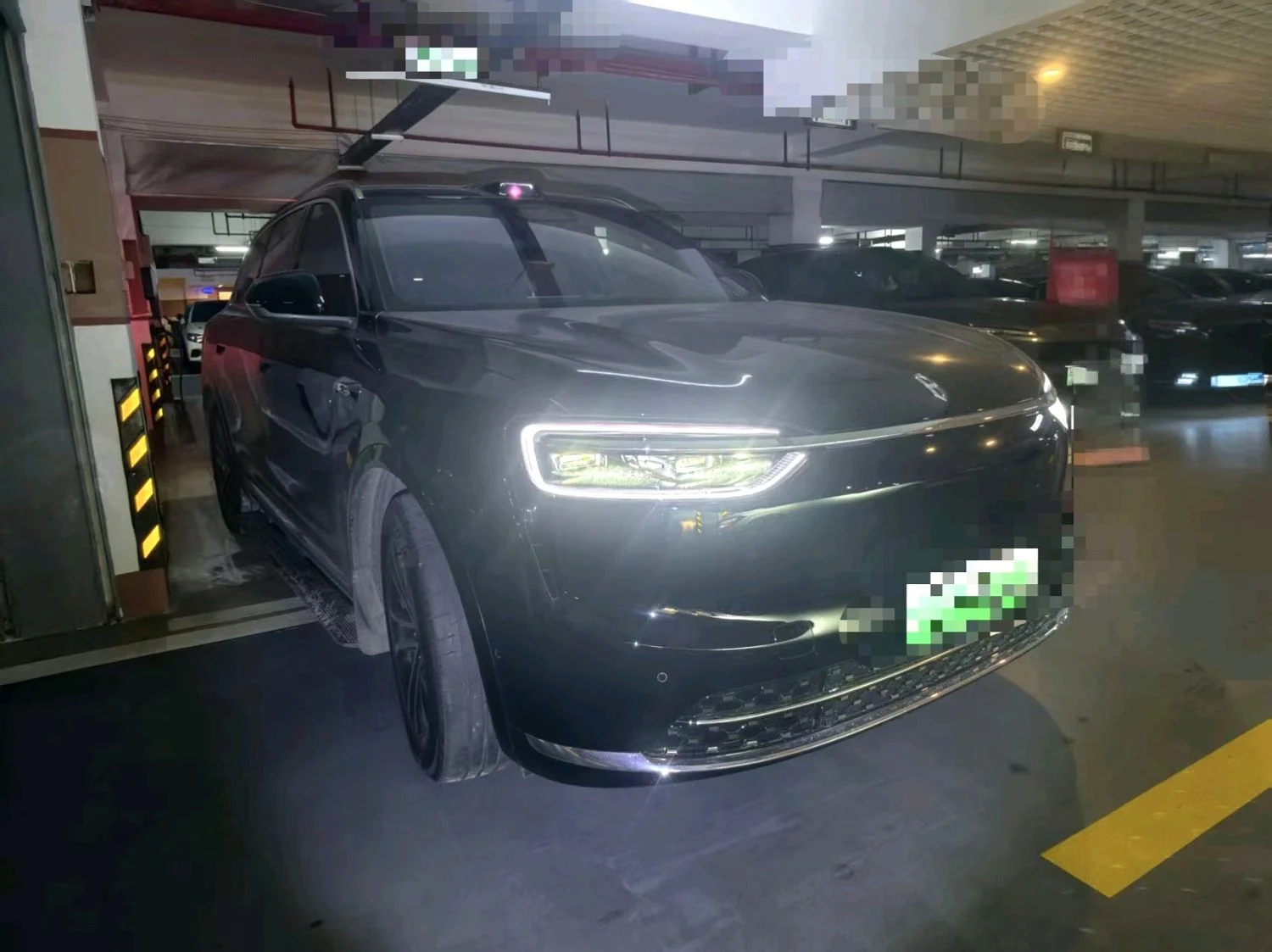
2026 AITO M7 Ultra EREV 4WD (449HP / 192-Line LiDAR) 5-Seater Luxury SUV
- 2025
- 4,000 km
- Automatic
- Plug-in Hybrid
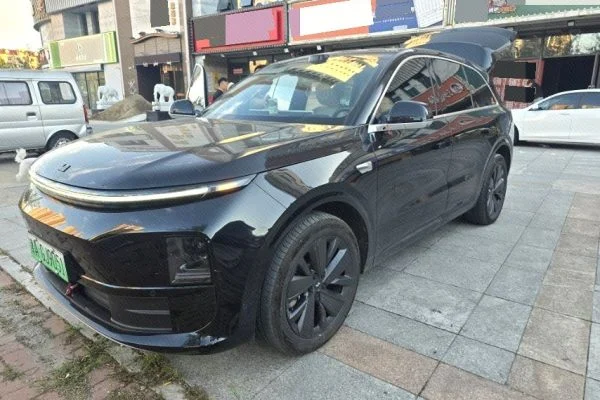
2025 Li Auto L6 Pro Intelligent Renewal Edition for Sale – 408 hp AWD EREV SUV, 1,390 km Range, Export Ready
- 2025
- 21,000 km
- Automatic
- Plug-in Hybrid