


Exporting Used China EVs to Africa and Southeast Asia in 2026
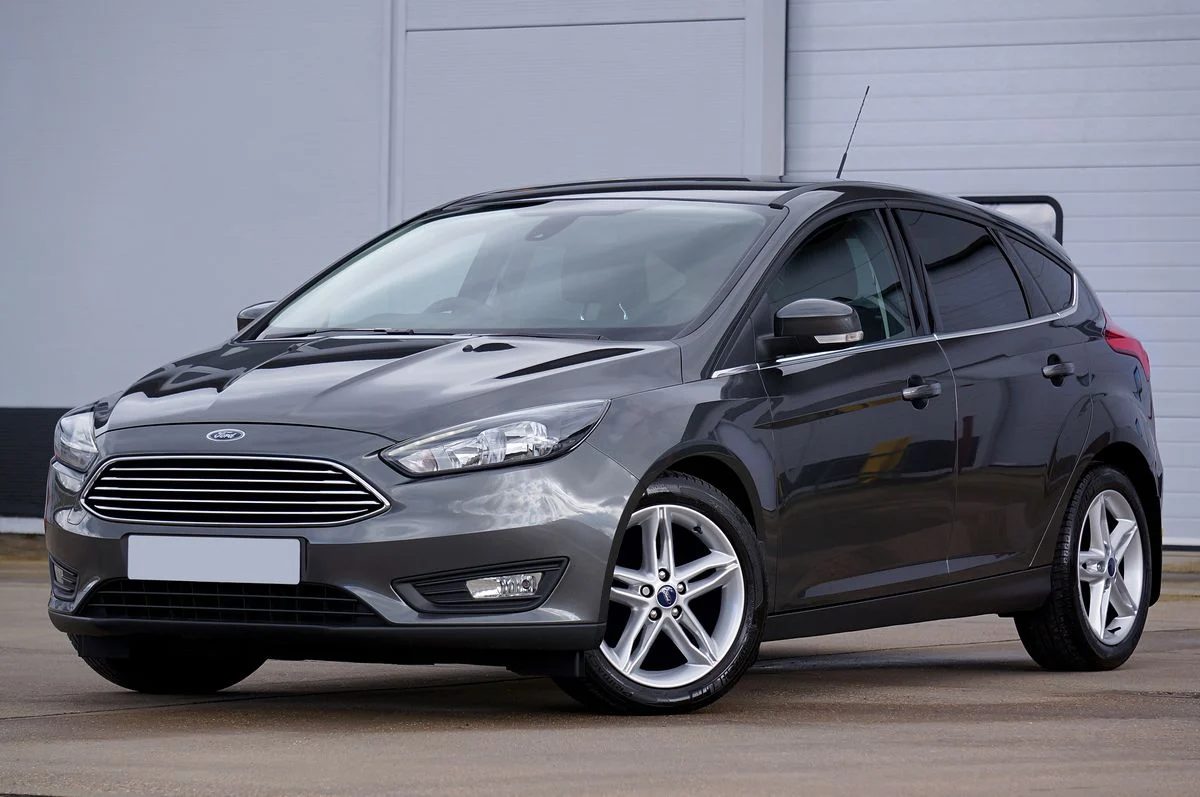
Africa and Southeast Asia together now absorb a large share of China’s used EV exports in 2026, led by Kenya, Nigeria, Thailand, the Philippines and Indonesia. Transit is 18-35 days and import duty is usually well under Europe’s.
These markets reward small, cheap, high-ground-clearance cars. A 300 km city EV at $9,000 FOB moves faster than a luxury wagon.
Which routes serve these markets?
| Route | Transit time | RoRo cost | Duty |
|---|---|---|---|
| Shanghai to Mombasa (Kenya) | 28-35 days | $1,100-$1,700 | 25% (used cars) |
| Shanghai to Lagos (Nigeria) | 30-38 days | $1,300-$1,900 | 35% (used cars) |
| Guangzhou to Laem Chabang (Thailand) | 18-24 days | $700-$1,200 | 0-80% by FTA terms |
| Shanghai to Manila (Philippines) | 20-26 days | $800-$1,300 | 30% (used) |
| Shanghai to Jakarta (Indonesia) | 22-28 days | $900-$1,400 | 10-40% by category |
Thailand is the outlier. It has strong EV incentives and local assembly rules, so a used import may face stiff duty while a new one is subsidised. Check the current incentive scheme before shipping.
Which used China EVs sell best there?
Compact and micro EVs dominate, because purchase price and charging simplicity matter more than range.
- BYD Seagull (Dolphin Mini), 305 km, from $8,900 FOB
- Leapmotor T03 403, 403 km, from $9,200 FOB
- Wuling Hongguang MINI EV, 120 km, from $3,800 FOB
- Geely Panda Mini 200 km, from $5,200 FOB
For higher-income buyers in Nairobi or Bangkok, mid-size SUVs move too, but the volume is in the $4,000-$10,000 range.
What is the biggest operational problem?
Charging, not the car. Nairobi has a small but growing DC network. Lagos has very little. Buyers who plan on home charging with a 7 kW wallbox are fine; those relying on public chargers in West Africa will struggle.
Second problem: voltage and plug standards. Some markets use 220-240V at 50 Hz, which suits Chinese cars, but socket types vary. A portable charger with the correct plug is worth shipping alongside the car.
How do you handle spares in thin markets?
Ship a parts kit with the car. Common failures on early used EVs are the 12V auxiliary battery, the charge port flap, and brake pads. A $300 kit of fast-moving parts saves a $1,500 emergency air shipment later.
Also keep a copy of the workshop manual in the local language. Independent garages in Lagos and Jakarta can service an EV with a good manual and a diagnostic tablet.
Who should ship to Africa and Southeast Asia?
Good fit: exporters who can move volume in the $4,000-$10,000 range and are willing to help buyers with charging basics.
Poor fit: anyone expecting the margin of the Gulf market. Duty is higher and buyers are more price-sensitive, so the gain comes from volume and repeat business.
Key Takeaways
- Africa and Southeast Asia are among the fastest-growing used China EV destinations in 2026.
- Transit runs 18-35 days; duty is often 25-35% on used cars in Kenya and Nigeria.
- Compact EVs from $4,000-$10,000 FOB move best.
- Charging infrastructure, not the car, is the main limit in West Africa.
- Ship a $300 spares kit and a local-language manual to cut downtime.
Related Vehicles
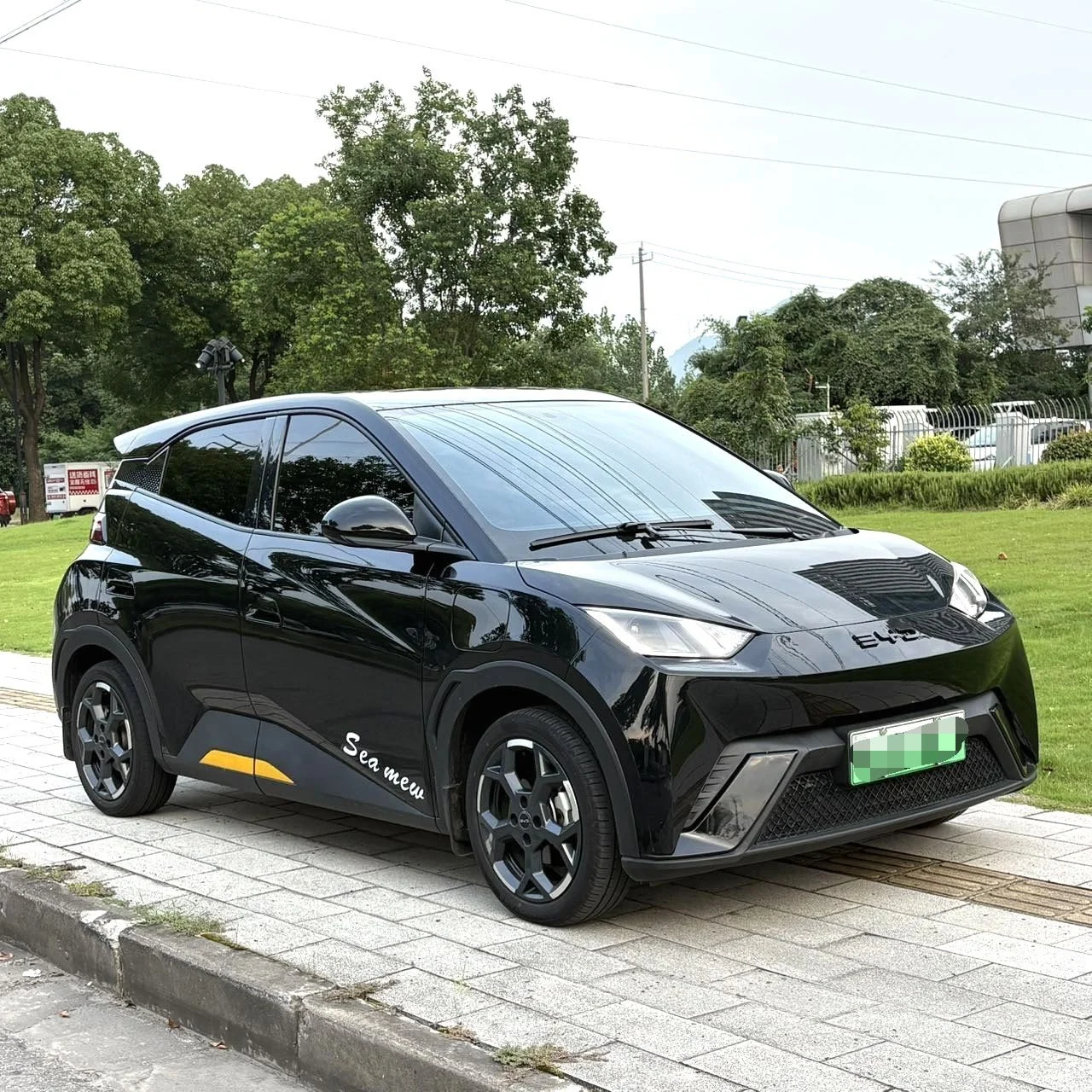
2025 BYD Seagull (Dolphin Mini) 305km Freedom Edition – Compact City EV | Ready to Ship
- 2024
- 35,000 km
- Automatic
- Electric
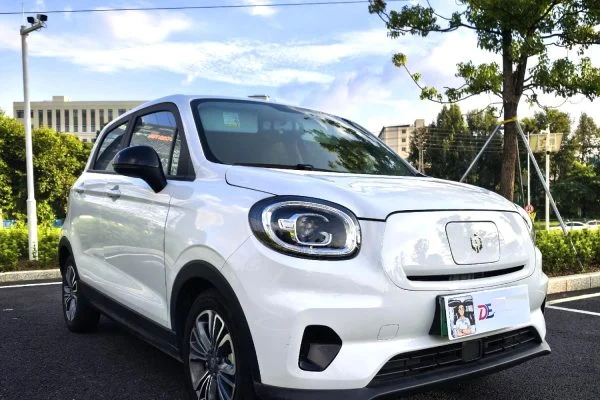
2024 Leapmotor T03 403 Comfort Edition for Sale – 109 hp EV, 403 km Range, Export Ready
- 2024
- 11,000 km
- Automatic
- Electric
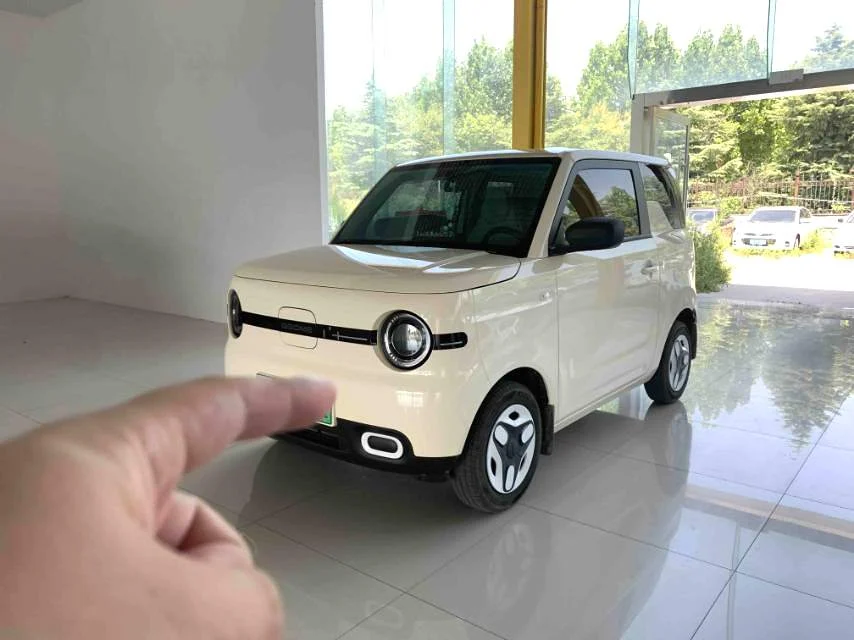
2025 Geely Panda Mini EV (210km Range / 22kW Fast Charge) Electric City Car
- 2025
- 9,000 km
- Automatic
- Electric
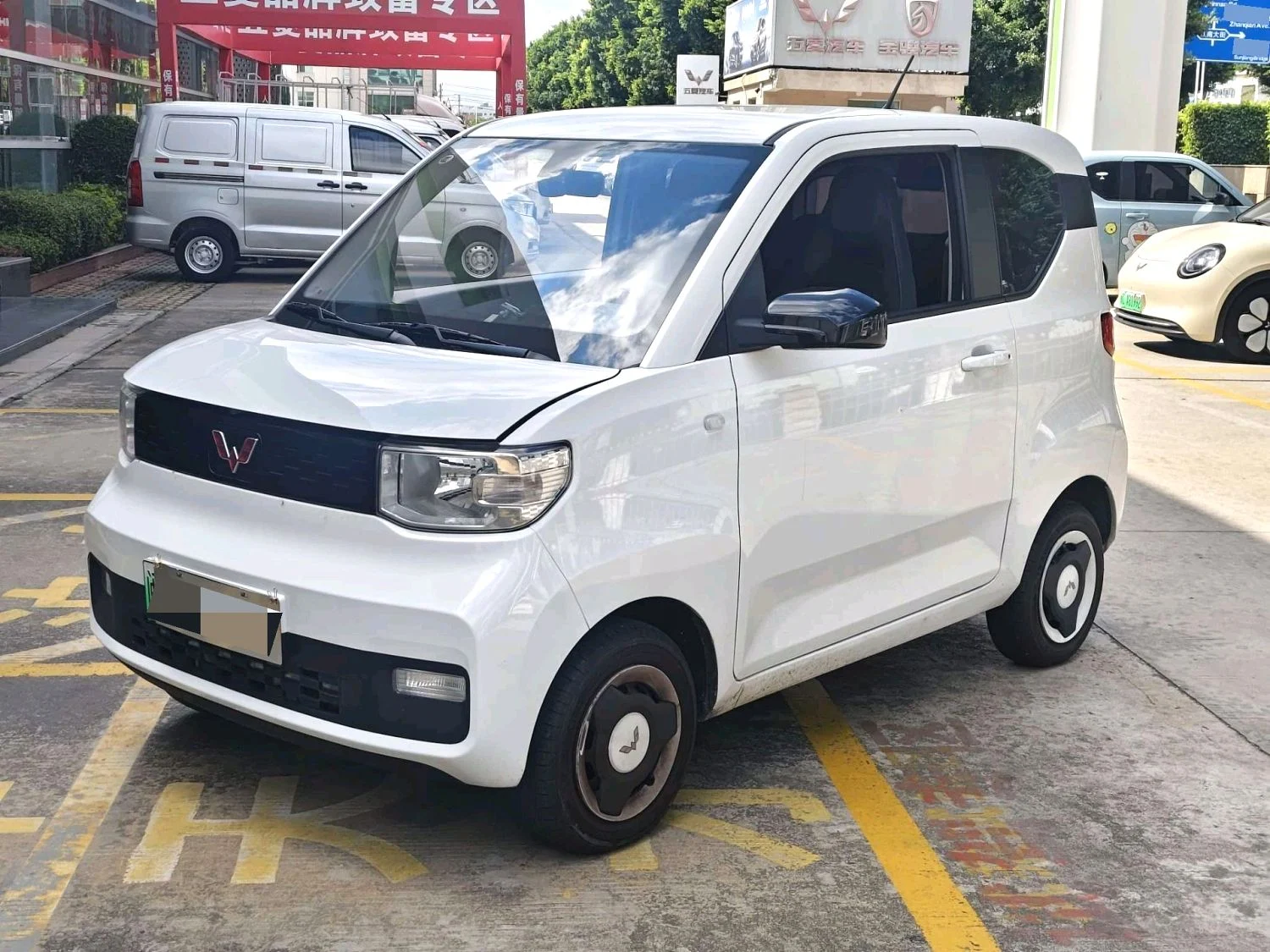
2022 Wuling Hongguang MINI EV Zizai (120km Range / LFP Battery) Smart Micro EV
- 2023
- 16,700 km
- Automatic
- Electric