


Importing a Used EV From China in 2026: Shipping and Customs Steps
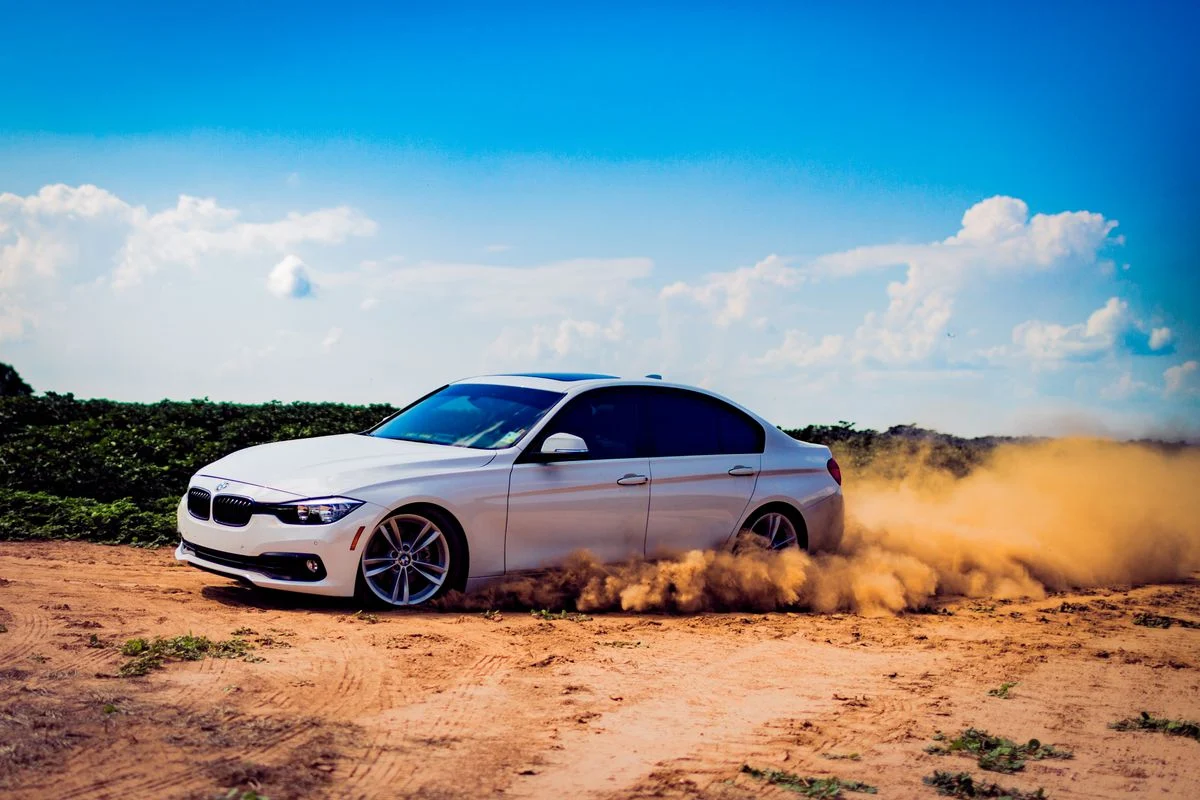
Importing a used EV from China takes about six to ten weeks door to door. Shipping and customs typically cost $1,200 to $4,800 per car, depending on destination and whether you book RoRo or a container.
The paperwork is the hard part, not the shipping. Miss one certificate and the car sits at port accruing storage fees that can dwarf the freight bill.
What are the steps to export a used EV from China?
Seven steps, in order. Skip one and the chain breaks.
- 1. Choose the car and verify the VIN against the Chinese registration document
- 2. Commission a pre-shipment inspection, including a battery SoH report
- 3. Sign the sales contract with payment terms and delivery point defined
- 4. Transfer ownership and de-register the vehicle in China
- 5. Obtain the export licence and customs declaration (a licensed exporter must file this)
- 6. Book freight — RoRo or container — and arrange marine insurance
- 7. Clear customs at destination and register the car locally
Step 5 is where individuals usually fail. China requires a licensed export entity, so most overseas buyers work through a trading company or an export-ready dealer.
Which shipping method should you choose for a used EV?
Containers protect better; RoRo is cheaper for distant routes. Small EVs ship especially well in shared containers because four or five fit in a single 20ft box.
| Method | Typical cost | Transit | Best for |
|---|---|---|---|
| Shared 20ft container | $1,200-$2,600 | 18-35 days | City EVs, cost-focused buyers |
| Dedicated 40ft container | $3,000-$4,500 | 18-35 days | Larger EVs, premium cars |
| RoRo | $900-$2,200 | 25-45 days | Long routes, undamaged cars |
Note EVs must ship with state of charge around 30%-50%. Carriers enforce this, and it is one reason LFP cars are easier to ship than NMC.
What documents do you need?
The core set is the bill of lading, commercial invoice, packing list, certificate of origin, export licence copy, and the Chinese de-registration certificate. Some destinations also require a pre-shipment inspection certificate.
Get the certificate of origin right the first time. Several markets grant preferential EV duty rates only with a valid one, and reissuing it after departure is slow.
What certification does your destination require?
This is where markets diverge sharply.
- EU: WVTA is not issued for one-off used imports; national individual-vehicle schemes apply instead
- Gulf: GCC conformity and a vehicle age limit that varies by country
- Southeast Asia: country-specific import permits, often age-limited
- Africa: pre-shipment inspection and, in several states, a maximum age rule
Check the age limit before you pick a car. A 2020 model that clears easily in one Gulf state may be refused in another.
What does customs clearance cost at destination?
Expect duty of 0%-20% for EVs in most markets, plus port handling, storage and agent fees of $400-$1,200. Many countries zero-rate electric vehicles while applying 30%+ to combustion cars.
Some markets also charge on engine power rather than value, which hurts high-output cars. A 422 hp Zeekr 007 GT can therefore cost more to clear than a modest-output sedan of similar price.
Common mistakes and how to avoid them
Underdeclaring value is the most expensive mistake. Customs can reassess, impose penalties and hold the car for weeks. Declare the real transaction value.
Second: skipping the battery report. A failed pack on arrival turns a car into a liability, and there is no warranty support across borders on most used Chinese EVs. Insist on SoH above 90% in writing.
Key Takeaways
- Importing a used EV from China takes roughly 6-10 weeks door to door.
- Shipping and customs cost $1,200-$4,800 depending on route and method.
- China requires a licensed export entity — individuals usually cannot file the declaration.
- EVs ship at 30%-50% state of charge; LFP packs handle this better.
- Check destination age limits and certification before choosing a car.
Related Vehicles
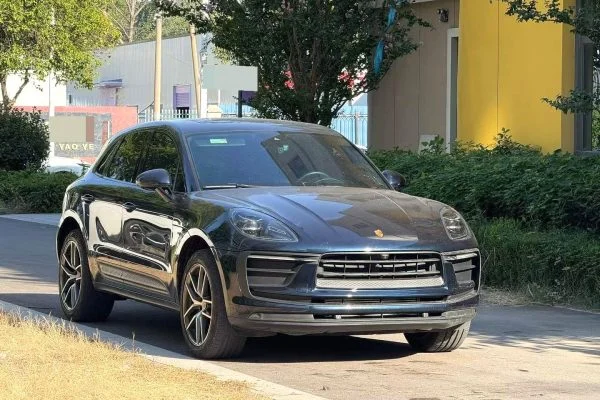
2023 Porsche Macan 2.0T for Sale – 265 hp AWD Luxury SUV, 7-Speed PDK, Export Ready
- 2022
- 70,000 km
- Automatic
- Petrol
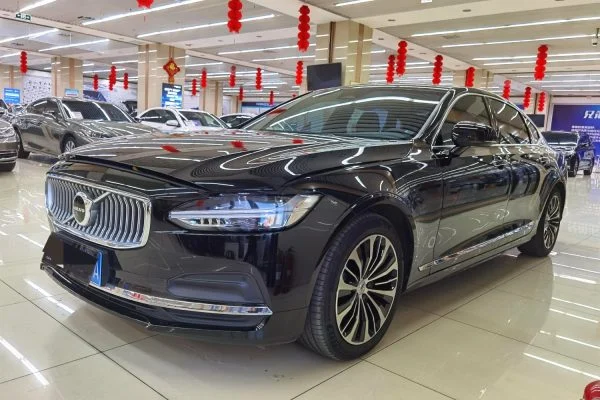
2023 Volvo S90 B5 Zhiyi Luxury Edition for Sale – 250 hp Mild-Hybrid Executive Sedan, Export Ready
- 2023
- 43,000 km
- Automatic
- Petrol
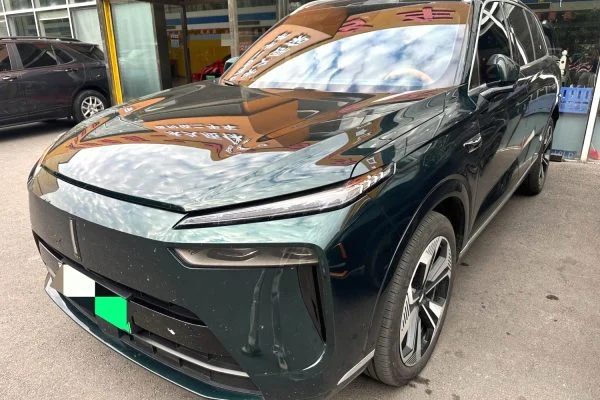
2023 WEY Blue Mountain DHT 4WD Long Range Edition for Sale – 510 hp PHEV SUV, 6 Seats, Export Ready
- 2024
- 45,000 km
- Automatic
- Plug-in Hybrid
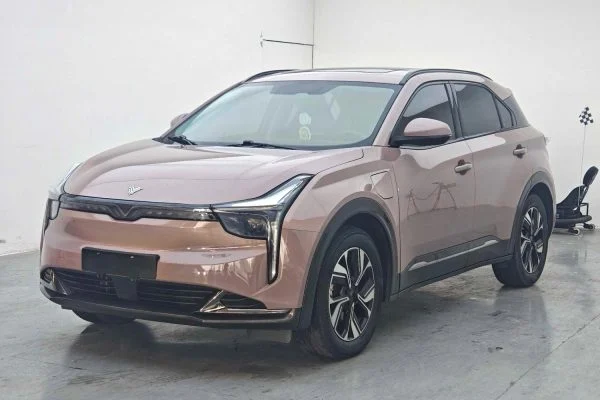
2022 Neta U-Ⅱ 400 LFP Electric SUV for Sale – 163 hp EV, 401 km Range, Export Ready
- 2022
- 24,000 km
- Automatic
- Electric