









Cheapest Used Electric Cars: Seagull vs Panda Mini

The two cheapest used electric cars worth buying from China in 2026 are the BYD Seagull at about $8,500 FOB and the Geely Panda Mini at about $9,900. The Seagull wins on battery, range and build; the Panda Mini wins on nothing measurable except price-per-look and how easy it is to sell to a buyer who finds the Seagull boring.
That is a real factor, not a joke. In markets where these cars go to rental fleets, delivery companies and young city buyers, styling sells. But styling does not charge a battery.
How do the numbers actually compare?
- BYD Seagull Vitality Edition — 2025, 12,000 km, 30.08 kWh Blade LFP, 75 HP (55 kW / 135 N·m), 305 km CLTC, 3,780 mm long, top speed 130 km/h, ~$8,500 FOB.
- Geely Panda Mini Endurance Bear — 2023, 41 HP, 200 km CLTC, 4 seats, 5 doors, compact boxy body, from about $9,900 FOB.
On paper the Seagull is cheaper, more powerful, has 50% more CLTC range and a newer battery. The Panda Mini costs $1,400 more for less of everything. That looks like a one-sided comparison until you account for real-world use.
What is the real range difference?
The Seagull’s 305 km CLTC is good for 230-260 km of mixed driving in mild weather and 180-200 km with air conditioning in a hot climate. The Panda Mini’s 200 km CLTC lands at about 140-160 km real.
The gap matters in a specific way. A 160 km car is a two-day-a-week vehicle that charges constantly. A 250 km car is a daily driver with a buffer. If the buyer’s commute is 60 km round trip, both work; if it is 90 km, only the Seagull does without a second thought.
Which one is easier to keep on the road?
The Seagull, clearly. BYD’s parts network is global because BYD exports at scale. Geely’s export footprint is large too, so the Panda Mini is not orphaned, but a 41 HP city car with a smaller battery has thinner aftermarket coverage in most markets.
Both use GB/T charging inlets, both need a Type 2 adapter for home charging abroad, and both are front-wheel drive with simple suspension — MacPherson struts in front, torsion beam or simple rear setup. Nothing exotic to break.
When is the Panda Mini the better buy?
When the car is a marketing asset. A resort, a hotel, a city tour operator or a rental fleet that needs something guests photograph will do better with the Panda Mini. Its squared-off retro-modern silhouette is the reason it exists. A Seagull is a good car; a Panda Mini is a good car with a look.
Second case: when the buyer’s route is fixed and short. A bakery’s delivery run of 25 km each way never stresses either car, and the Panda Mini’s lower power is irrelevant in city traffic where average speed is 25 km/h.
What about spending a bit more?
At $12,000-$13,000 the Baojun Yep Plus 301 km adds two doors, five seats and 31.9 kWh in a compact SUV body, and at $11,250 the BYD Dolphin 420km Free Edition delivers 44.93 kWh, 95 HP and genuine 320-360 km range. For a private buyer rather than a fleet, the Dolphin is the smarter $2,750.
Key Takeaways
- The BYD Seagull at ~$8,500 offers 30.08 kWh LFP and 305 km CLTC; the Panda Mini at ~$9,900 offers 200 km CLTC for more money.
- Real range: 230-260 km for the Seagull, 140-160 km for the Panda Mini.
- The Seagull is the better engineering buy; the Panda Mini wins only where styling sells.
- Both need a Type 2 adapter for home charging outside China.
- At $11,250 the BYD Dolphin is the better spend for a private buyer.
Related Vehicles
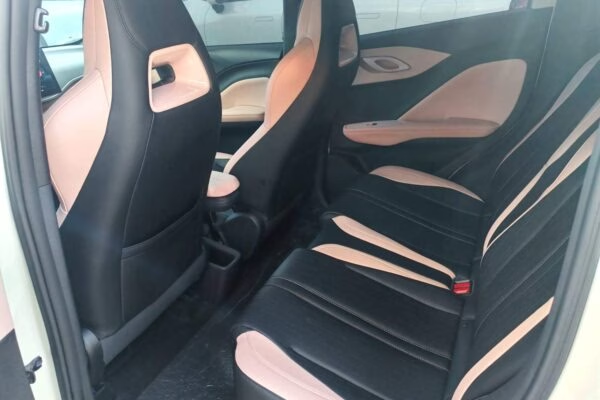
2025 BYD Seagull Vitality Edition 305km EV (75 HP) – 12,000 km, Beige over Blue
- 2025
- 12,000 km
- Automatic
- Electric
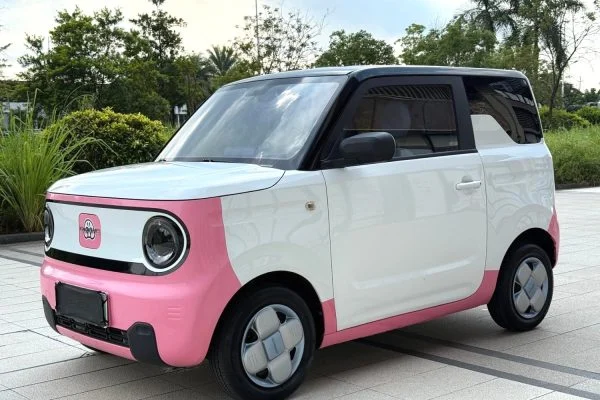
2023 Geely Panda Mini 200km Endurance Bear for Sale – 41 hp EV, 200 km Range, Export Ready
- 2023
- 20,000 km
- Automatic
- Electric
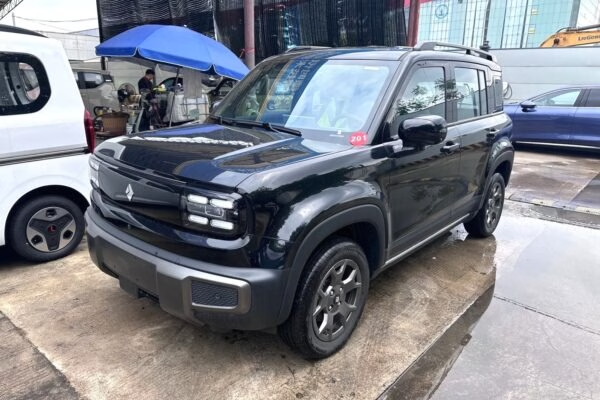
2026 Baojun Yep Plus 301 km Flagship Edition Electric SUV for Sale – 102 HP, 31.9 kWh, 5-Door
- 2026
- 10 km
- Automatic
- Electric
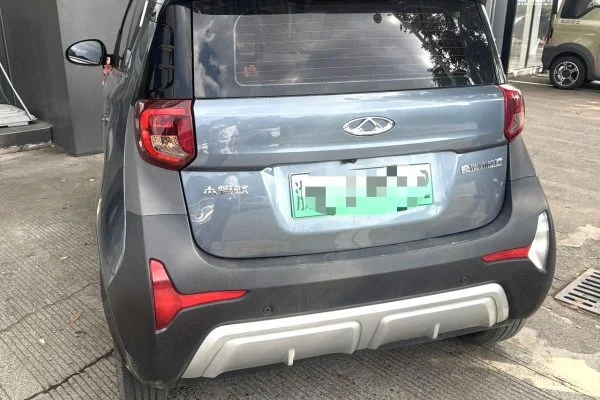
2022 Chery eQ1 Little Ant Tianfen Full Sugar Edition for Sale — 25,000 km, 30.6 kWh, 301 km, Hangzhou Stock
- 2022
- 25,000 km
- Automatic
- Electric