









Is There Still a $7,500 EV Tax Credit? 2026 Buyer’s Guide
No. Asked whether there is still a $7500 tax credit for electric cars, the answer is that the US federal clean vehicle credit — $7,500 for new EVs, $4,000 for used ones — stopped applying to vehicles acquired after September 30, 2025. Anyone quoting you a $7,500 discount on a 2026 purchase is working from an outdated page.
That single change reshaped the used EV market more than any battery breakthrough has. Cars that were priced against a post-credit number now sit on lots longer, and buyers who were deciding on $22,500 after credit are looking at $30,000 with nothing back.
What replaced the credit in 2026?
Nothing at the federal level. A handful of states kept their own rebates — Colorado, for example, still runs a state-level incentive, and California’s clean vehicle programs were narrowed but not zeroed. Check your state before assuming.
Manufacturer incentives are the real substitute. Lease deals restart the clock because the commercial vehicle credit rules were written differently, and it is why leasing an EV in 2026 can still be cheaper than buying one.
Do used EVs still make sense without the credit?
Better, actually — for buyers outside the US. The credit only ever mattered to American taxpayers. Everyone else was already paying the sticker price, and Chinese used EVs have been competing on landed cost, not tax treatment.
A 2024 BYD Han EV 506km Honor Edition at roughly $20,000 FOB is a 5 m executive sedan with 506 km CLTC and LFP batteries. There is no American used EV of that size at that price, with or without a credit.
For a US buyer, the comparison is now direct: a used Tesla Model 3 at $28,000 versus a used Chinese EV landed at $24,000 including freight. The credit used to close that gap. Now it doesn’t.
Does losing the credit hurt resale values?
Yes, and unevenly. Prices on two-year-old EVs in the US dropped 8-15% in the months after the credit expired, because the effective cost to a buyer rose by $4,000-$7,500 overnight.
China’s market is different. Used Chinese EV prices are set by domestic trade-in volume, which is huge, and by export demand, which is growing. Domestic three-year resale on a BYD compact sits at 45-50% of new price; on premium brands like NIO or Zeekr it drops to 35-42% because the new-car discounts are aggressive.
What does that mean for you? A used Chinese EV is depreciating faster than a Toyota, but it started lower. A $16,000 used Atto 3 that loses 12% a year costs you $1,900 annually in depreciation. A $30,000 petrol SUV losing 8% costs $2,400.
Which used EVs hold value best?
- BYD Seagull and Dolphin: high demand, strong parts network, 45-50% at three years
- BYD Han / Song PLUS: 42-48%, helped by fleet demand
- Tesla Model 3 / Y: still the benchmark overseas, but soft in 2026
- NIO / Zeekr / Li Auto: 35-42%, hurt by heavy new-car discounting
- Small brands (Neta, Hozon): under 35%, and service risk on top
What should a 2026 buyer do?
Stop pricing cars against a credit that no longer exists. Work out the total landed cost — car, freight, duty, registration, first service — and compare that number with what a local used car costs you. That is the only comparison that survived the policy change.
If you are in the US specifically, look at leasing before buying. If you are anywhere else, the credit was never part of your calculation, and a used Chinese EV at $12,000-$20,000 landed remains the cheapest way into a 400 km electric car.
Key Takeaways
- The $7,500 new-EV credit and $4,000 used-EV credit ended for purchases after September 30, 2025.
- No federal replacement exists in 2026; a few states still run their own rebates.
- US used EV prices fell 8-15% after the credit expired, not rose.
- Chinese used EVs were never priced against the credit, so their value case is unchanged.
- Leasing remains the workaround for US buyers in 2026.
Related Vehicles
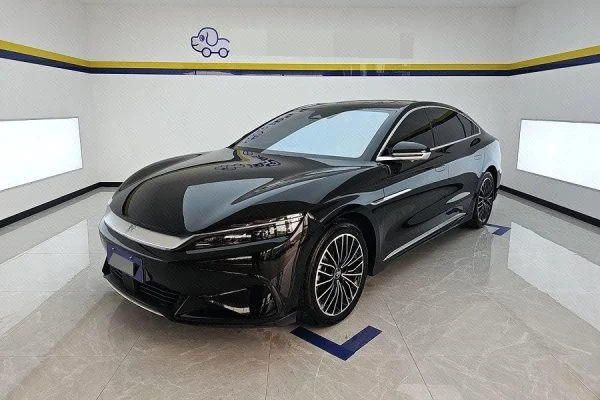
2024 BYD Han EV 506KM Honor Edition Noble (204 HP / FWD) – Executive Electric Sedan
- 2024
- 6 km
- Automatic
- Electric
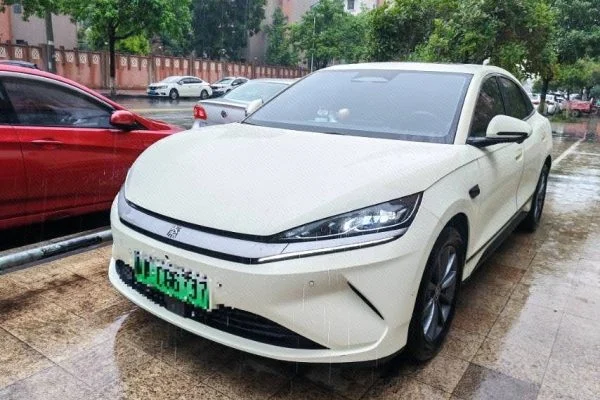
2025 BYD Qin L EV 545KM Beyond Edition for Sale – 218 hp EV, 545 km Range, Export Ready
- 2025
- 28,000 km
- Automatic
- Electric
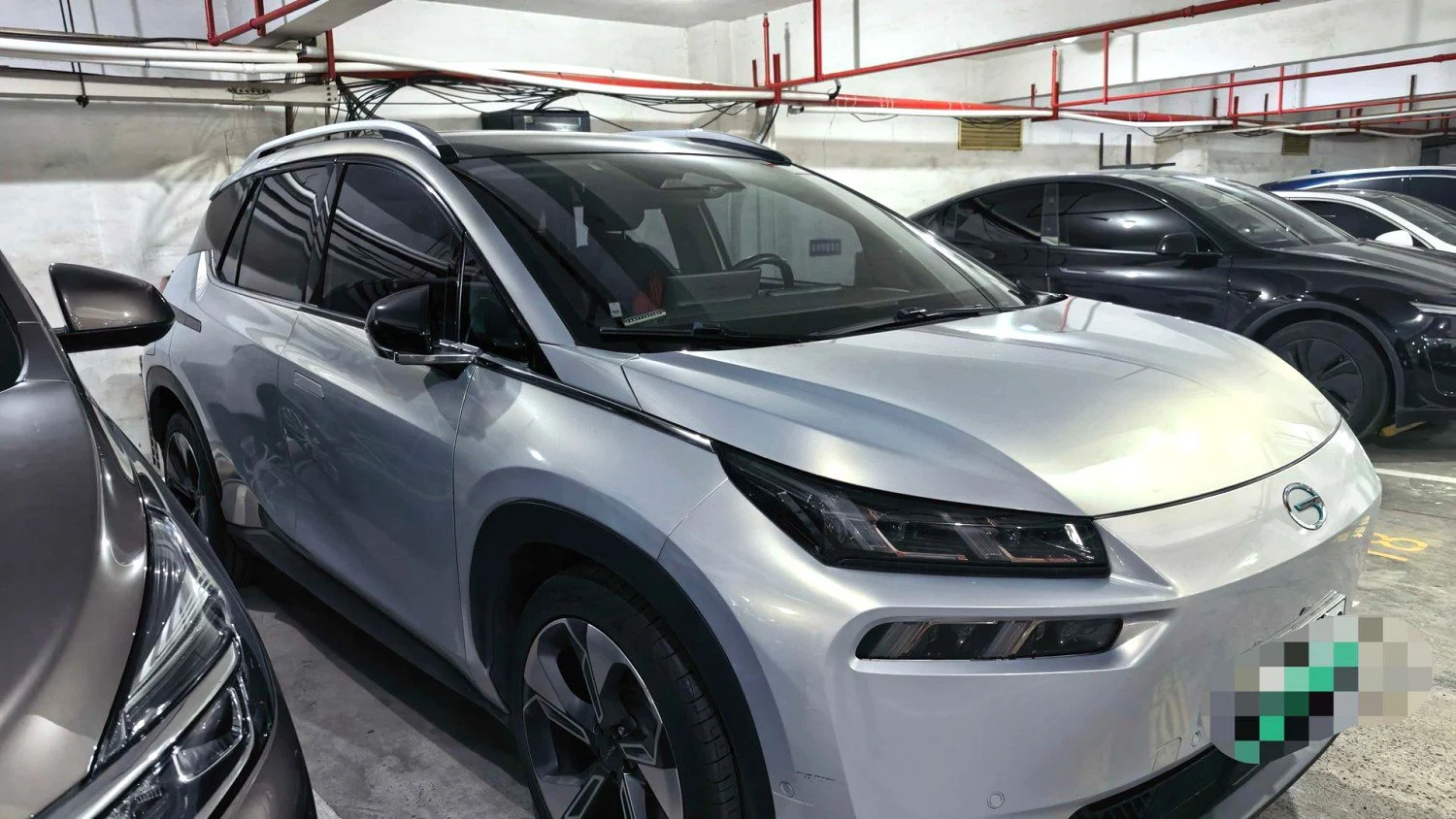
2022 GAC Aion V PLUS 80 Executive | Long Range EV – Super Value @ $28,800
- 2022
- 50,000 km
- Automatic
- Electric