









Cheap Second Hand Electric Cars: 6 China Picks That Last

Cheap second hand electric cars from Chinese stock cost $6,500-$17,000 FOB in 2026. The safest of them — a 2024 BYD Seagull at about $8,200 — will run 305 km CLTC and cost roughly $300 a year in electricity.
Cheap is easy to find. Durable is not. The difference between a $6,500 mini EV and an $8,500 one is usually a battery supplier you have never heard of versus a Blade LFP pack that will still be at 90% health in 2030.
What makes a cheap used EV last?
Three things decide it, and none of them are visible in a listing photo.
Battery chemistry. LFP packs from CATL or BYD lose 3-5% capacity in the first 100,000 km. Older ternary NMC packs in the same mileage lose 10-15%. If a seller cannot name the battery supplier, that is your answer.
Parts commonality. A car sold in 200,000 units has cheap suspension, brakes and body panels. A car sold in 8,000 units does not — and on a $7,000 vehicle, one $900 headlight destroys the value proposition.
Charging capability. DC fast charging was optional on many 2022-2023 mini EVs. A car without it is a city-only car forever.
Which six cheap used EVs are worth the money?
- BYD Seagull 305 km 2024 — ~$8,200. 75 hp, 38.9 kWh Blade LFP, four doors, real safety structure. The best-built car under $10,000 in China.
- Leapmotor T03 403 Comfort 2024 — ~$7,800. 109 hp and 403 km CLTC, the longest legs at this price. DC charging standard.
- GAC Aion V PLUS 80 2022 — ~$14,000. Not cheap-cheap, but a 600 km-class compact SUV for hatchback money. Same platform as the Aion Y taxi fleet, so parts are everywhere.
- Leapmotor C11 580 2024 — ~$16,000. Mid-size SUV, 272 hp, 580 km. Depreciation did the heavy lifting here.
- Changan Lumin 301 km 2022 — ~$6,500. 48 hp, 3.27 m long, genuine city car. Check for DC charging before you commit.
- Chery eQ1 Little Ant 321 km 2024 — ~$9,000. 13,000 km, 29.2 kWh pack. Tidy but slow at 36 kW.
How much does one cost to run?
At 15,000 km a year and $0.12/kWh home charging, a Seagull uses about 1,650 kWh — roughly $200. Add $120 for servicing (brake fluid, cabin filter, tyre rotation) and you are at $320 annually. The equivalent 1.5L petrol hatchback burns $1,400 in fuel plus $350 in servicing.
The saving is real but it is not free money. Insurance on small Chinese EVs is often higher than expected because parts take weeks to arrive, and insurers price that in.
What is the trap in the sub-$10k bracket?
Ageing, not mileage. A 2022 mini EV with 8,000 km has still spent four years with its pack sitting at high state of charge in a warm climate. Calendar ageing on LFP is gentler than NMC, but it is not zero — expect 4-6% loss regardless of use.
The second trap is paperwork. In this bracket you often buy from small dealers who cannot produce an insurance claim history. Walk away. There are enough cars with clean records that you do not need to gamble.
Who should buy cheap and who should not?
Buy cheap if you have off-street parking, drive under 80 km a day, and want a second car. Do not buy cheap if this is your only vehicle and you sometimes drive 400 km in a day — in that case a $14,000 Song PLUS or Aion V is the honest choice, even though it doubles the budget.
Key Takeaways
- Cheap second hand electric cars from China cost $6,500-$17,000 FOB in 2026.
- BYD Seagull ($8,200) and Leapmotor T03 ($7,800) are the two safest picks under $10,000.
- LFP packs lose 3-5% in 100,000 km; older NMC packs lose 10-15%.
- Running costs land near $320 a year versus $1,750 for a petrol equivalent.
- Calendar ageing matters as much as mileage on 2022-2023 mini EVs.
Related Vehicles
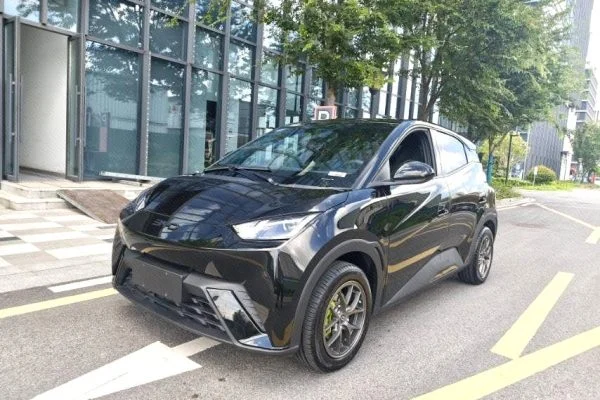
2024 BYD Seagull Honor Edition 305km Freedom for Sale – 75 hp EV, 305 km Range, Export Ready
- 2024
- 18,000 km
- Automatic
- Electric
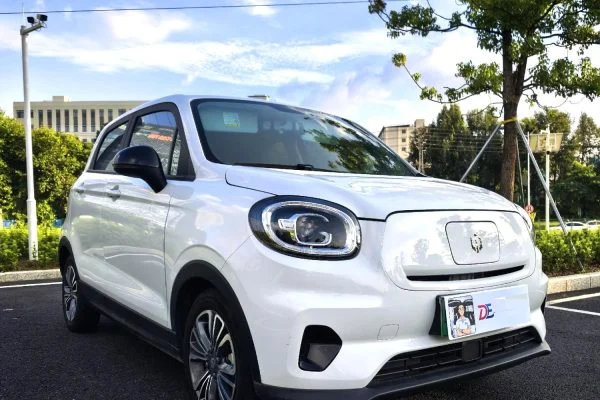
2024 Leapmotor T03 403 Comfort Edition for Sale – 109 hp EV, 403 km Range, Export Ready
- 2024
- 11,000 km
- Automatic
- Electric
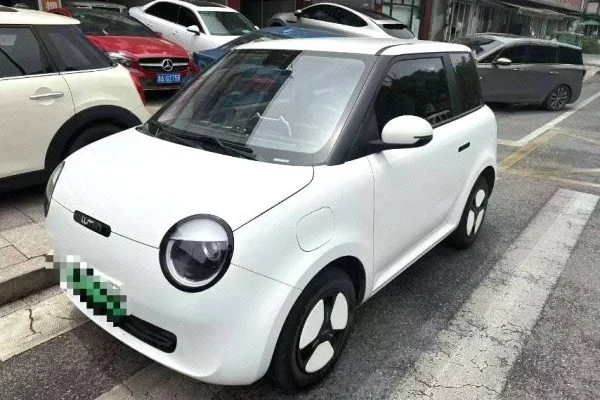
2022 Changan Lumin 301km Mitian Edition (35kW / 48HP) Mini Electric City Car
- 2022
- 18,000 km
- Automatic
- Electric
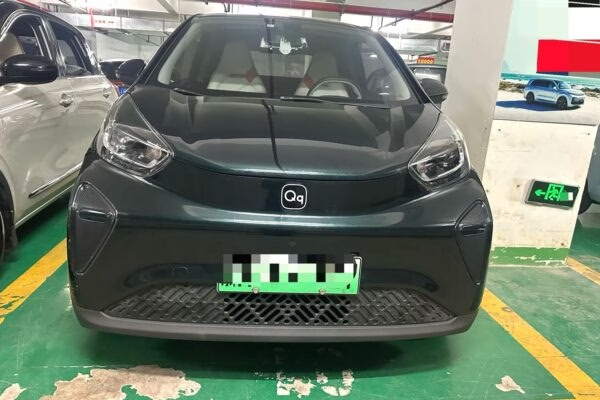
2024 Chery eQ1 (Little Ant) 321 km Zhong’ai Edition – 13,000 km, Jinhua, FOB Ningbo
- 2024
- 13,000 km
- Automatic
- Electric