









Used Electric Car for Sale by Owner: What $9k Buys in China
A used electric car for sale by owner in China runs $7,500–$9,500 for a three- to four-year-old compact EV, roughly 8–14% below dealer asking price. The catch is that you inherit the seller’s paperwork quality, and most private owners have never exported a car.
For a buyer in Africa, the Middle East or Latin America, “by owner” usually means one of two things: a private individual selling a car on a Chinese classifieds site, or a small agent pretending to be one. Telling them apart is the whole game.
What does $9,000 actually get you?
Three typical cars at that budget, from current Chinese listings:
- 2022 Changan Lumin 301 km — 35 kW, 48 hp micro hatch. Around $7,000–$8,000 private.
- 2023 Wuling Binguo 333 km — 68 hp, five doors, 31.9 kWh. About $8,500–$9,500 and the most usable car in this group.
- 2021 BYD Qin PLUS DM-i — a plug-in hybrid sedan, not a pure EV, at $10,500–$12,000. Slightly over budget but far more car.
At $9,000 you are not buying range. You are buying a car that starts, charges and moves 200–280 km of real range. Accept that and the tier is fine.
How much cheaper is buying from the owner?
On a $9,000 car, expect $700–$1,300 less than a dealer’s price for the same model. Chinese dealers bundle inspection, transfer paperwork and sometimes shipping, so the 10% saving often evaporates once you pay someone to do those steps.
Where owner sales win is on low-mileage cars in good condition. A private owner with 18,000 km on a two-year-old car has no lot overhead and will take a low offer to move it quickly. Dealers hold price for weeks.
What paperwork must the owner hand over?
- Registration book (green book) with the owner’s name matching their ID
- Purchase invoice or original sales contract
- Service records, ideally from the brand’s 4S dealer network
- BMS battery report — ask before the inspection, not after
- Proof of no outstanding finance or lien
Missing invoice is the most common problem. Without it, some destination customs offices cannot establish the vehicle’s original value, and you get taxed on an estimate. Red flag number one.
Is owner-sold stock riskier?
Yes, on battery condition. Private sellers rarely know their state of health and sometimes hide a recent fast-charge habit that cooked the pack. A 2021 BYD Song PLUS EV with 90,000 km of ride-hailing use will still look mint in photos.
Two numbers settle it. Ask for total charge cycles and SOH. Over 900 cycles on a 40,000 km car means daily fast charging — probably ride-hailing. SOH below 88% means a battery replacement is coming, and that costs $3,000–$5,000 for a 60 kWh pack, which erases the entire saving.
When should you skip the owner and buy dealer stock?
Buy from a dealer when the car needs export documentation, when the value is above $12,000, or when you cannot send someone to inspect it. The dealers who do this every week know which ports accept which certificates, and their margin is smaller than the cost of one rejected shipment.
Buy by owner when you have a contact in China who can walk the car, and the saving is at least 12%. Below that, the paperwork risk is not worth it. A BYD Seagull at $8,800 from a dealer beats one at $8,200 from a stranger with no invoice.
What should the owner inspection cover?
- DC fast charge from 20% to 80% and time it — slow charging means a degraded pack or bad thermal management
- Odometer vs BMS cycle count cross-check
- Underbody scan for weld repairs and flood damage residue in the connectors
- Tyre and brake wear as a mileage sanity check
- Cold-start test if the region is below 5°C — LFP cars can be sluggish to charge
Key Takeaways
- Used electric cars for sale by owner in China cost $7,500–$9,500, about 8–14% under dealer price.
- $9,000 buys 200–280 km of real range in a compact hatch or five-door city car.
- A missing purchase invoice can raise your destination customs bill — check it first.
- Charge cycles above 900 on a low-mileage car usually means ride-hailing use.
- Below a 12% saving, buy dealer stock and let them own the paperwork risk.
Related Vehicles
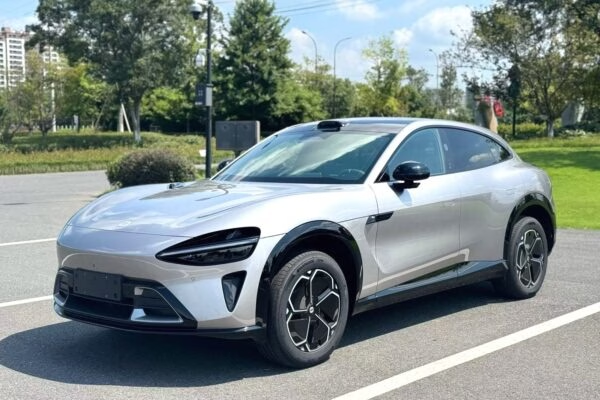
2025 Xiaomi YU7 Long Range AWD Pro for Sale – 200 km, 96.3 kWh, USD 36,500
- 2025
- 200 km
- Automatic
- Electric
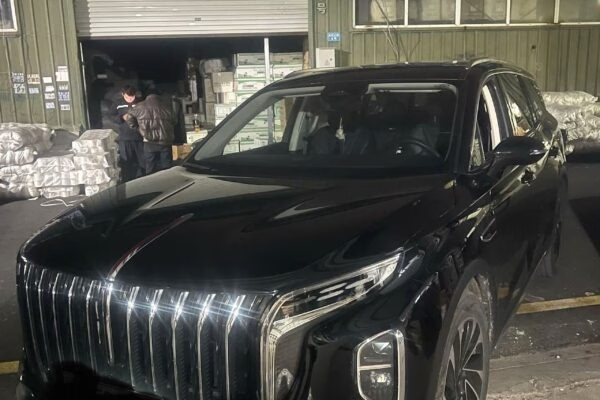
2024 Hongqi HS7 PHEV 2.0T QiChang 4WD 6-Seat for Sale — 31,000 km, 20.1 kWh Plug-in Hybrid SUV
- 2024
- 31,000 km
- Automatic
- plugin_hybrid
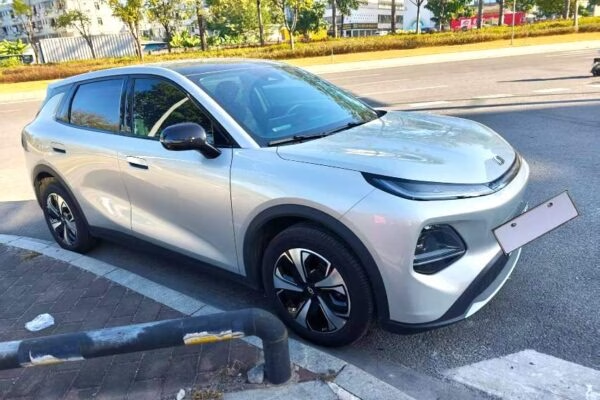
2026 Changan Qiyuan Q05 506 Max+ for Sale — 660 km, 51.9 kWh LFP, FOB Guangzhou
- 2026
- 660 km
- Automatic
- Electric
2025 BYD Seagull Vitality Edition 305km EV (75 HP) – 12,000 km, Beige over Blue
- 2025
- 12,000 km
- Automatic
- Electric