









Used Electric Car for Sale by Owner: 9 Checks Before You Pay

A used electric car for sale by owner is usually 8-15% cheaper than the same car on a dealer lot. The saving is real. So is the risk: no warranty, no reconditioning, and often no battery report.
Most of that risk lives in one place — the pack. A 2019 EV with 96,000 km can be a bargain or scrap, and the two look identical in a photo.
Why do private EV sales go wrong?
Because the battery has no dipstick. Buyers who know combustion engines check compression and oil; on an EV they check nothing, trust the dashboard percentage, and find out six months later that winter range has collapsed.
The other factor is that private sellers often do not know their own car’s history. A first owner who fast-charged twice a day for four years has no idea they took 10% off the pack.
What should I check first on a used EV?
The battery state of health (SOH), read from the BMS. Not the guess-o-meter on the dash. Any workshop with a compatible OBD scanner can pull it in ten minutes, and some apps do it for less than $30.
Benchmarks for a 2019-2021 car: above 90% SOH is good, 85-90% is normal, below 82% should move the price down by several thousand dollars. Below 75%, walk away unless the car is very cheap and the range genuinely fits your commute.
What else should a private EV inspection cover?
- DC fast-charge count. Some cars log it; 600+ sessions on a small pack is heavy use.
- Cell balance. A large voltage spread means one module is failing, not the whole pack.
- Actual range test. Charge to 90%, drive 60 km on a mixed route, compare consumption to the rated figure.
- Charging-port pins. Look for arcing discolouration — the port is cheap to replace, the on-board charger is not.
- Undercarriage and battery tray. A scraped tray is a red flag for insurance write-off status.
- Panel gaps and paint depth. A magnet and a cheap paint gauge reveal repaired crash damage that was never disclosed.
- Title and lien status. Verify the seller is the registered owner, not a flipper.
- Recall status. Check the VIN against the manufacturer’s recall lookup.
- Service history. EVs need less service, not none — brake fluid, coolant, cabin filter and tyre rotation still matter.
What about paperwork for a used EV?
Private sales fail on documents more often than on mechanics. Your needs: registration certificate in the seller’s name, a VIN that matches the chassis stamp, proof of no outstanding finance, and the factory charging cable. Missing the cable costs $200-$600 to replace.
If you are exporting the car, add the export certificate and origin paperwork to the list. That is a routine step for a commercial seller and often a surprise for a private one.
Key Takeaways
- Private EV sales save 8-15%, and the entire risk sits in the battery.
- Get a BMS state-of-health scan; below 82% on a 2019-2021 car means a serious discount.
- Put the SOH figure in the sale contract as a seller representation.
- Check cell balance, charging-port pins and the battery tray for crash damage.
- Confirm the 8-year / 160,000 km battery warranty transfers to you.
Should I buy private or from a dealer?
Private, if you have a scanner or a mechanic who does. Dealer, if you are buying remotely and cannot inspect in person, because a dealer at least carries a reputation you can pressure.
A middle path that works well for imports: buy a specific inspected unit. Examples on our lot include a 2019 BYD e2 with 96,000 km that has a documented range test, a 2023 Tesla Model 3 Highland at 60,000 km, and a 2024 Leapmotor C11 at 21,000 km — a much safer position than a 2021 car with unknown history.
What about paperwork for a used EV?
Private sales fail on documents more often than on mechanics. Your needs: registration certificate in the seller’s name, a VIN that matches the chassis stamp, proof of no outstanding finance, and the factory charging cable. Missing the cable costs $200-$600 to replace.
If you are exporting the car, add the export certificate and origin paperwork to the list. That is a routine step for a commercial seller and often a surprise for a private one.
Key Takeaways
- Private EV sales save 8-15%, and the entire risk sits in the battery.
- Get a BMS state-of-health scan; below 82% on a 2019-2021 car means a serious discount.
- Put the SOH figure in the sale contract as a seller representation.
- Check cell balance, charging-port pins and the battery tray for crash damage.
- Confirm the 8-year / 160,000 km battery warranty transfers to you.
How do I confirm the battery claim in writing?
Put the SOH number and the scan date in the bill of sale as a representation. If the seller refuses to warrant a figure they just showed you, that tells you how much they trust their own car.
For a car still inside its manufacturer battery warranty — typically 8 years or 160,000 km to 70% capacity — confirm the warranty transfers to a second owner in your country. It usually does, sometimes only with a transfer fee.
Should I buy private or from a dealer?
Private, if you have a scanner or a mechanic who does. Dealer, if you are buying remotely and cannot inspect in person, because a dealer at least carries a reputation you can pressure.
A middle path that works well for imports: buy a specific inspected unit. Examples on our lot include a 2019 BYD e2 with 96,000 km that has a documented range test, a 2023 Tesla Model 3 Highland at 60,000 km, and a 2024 Leapmotor C11 at 21,000 km — a much safer position than a 2021 car with unknown history.
What about paperwork for a used EV?
Private sales fail on documents more often than on mechanics. Your needs: registration certificate in the seller’s name, a VIN that matches the chassis stamp, proof of no outstanding finance, and the factory charging cable. Missing the cable costs $200-$600 to replace.
If you are exporting the car, add the export certificate and origin paperwork to the list. That is a routine step for a commercial seller and often a surprise for a private one.
Key Takeaways
- Private EV sales save 8-15%, and the entire risk sits in the battery.
- Get a BMS state-of-health scan; below 82% on a 2019-2021 car means a serious discount.
- Put the SOH figure in the sale contract as a seller representation.
- Check cell balance, charging-port pins and the battery tray for crash damage.
- Confirm the 8-year / 160,000 km battery warranty transfers to you.
Related Vehicles

2019 BYD e2 High-Range Luxury Edition (70kW / 95HP / 405km NEDC) EV Hatchback
- 2020
- 96,000 km
- Automatic
- Electric
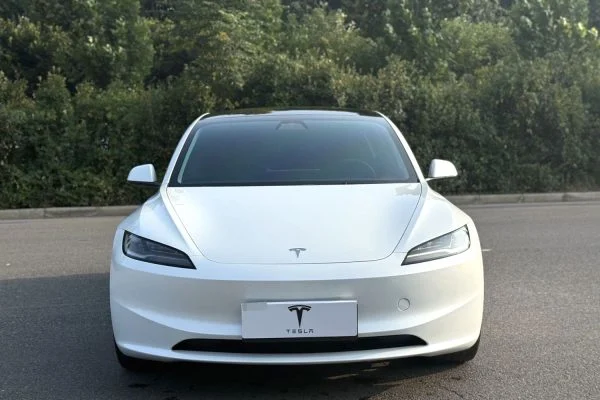
2023 Tesla Model 3 Highland RWD for Sale – 264 hp EV, 606 km Range, Export Ready
- 2024
- 60,000 km
- Automatic
- Electric
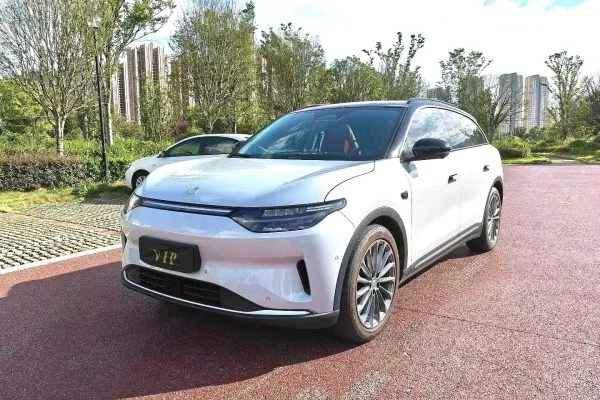
2024 Leapmotor C11 580 Premium Edition for Sale – 272 hp EV, 580 km Range, Export Ready
- 2024
- 21,000 km
- Automatic
- Electric
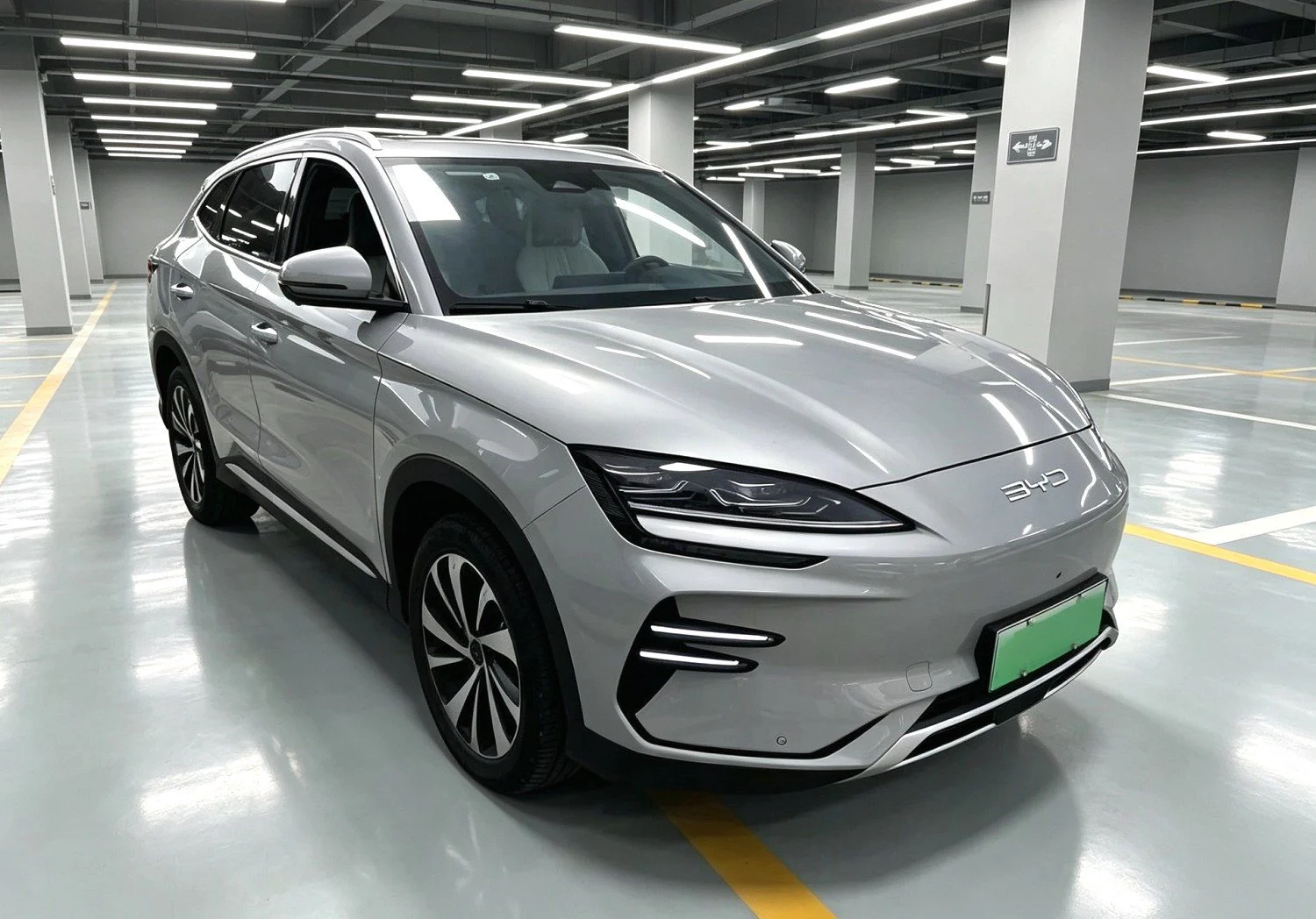
2023 BYD Song PLUS EV Champion Edition 520km Flagship (204HP FWD / Seal U) Electric SUV
- 2024
- 4,000 km
- Automatic
- Electric