









Used Electric Car for Sale by Owner in China: Is It Worth It?
A used electric car for sale by owner in China is usually 5-10% cheaper than the same car through a dealer — roughly $1,000-$2,200 on a $20,000 car. The discount is real, but you take on inspection, paperwork and title risk that a dealer normally absorbs.
Most of the private listings you will find come from owners upgrading after 18-36 months, or from small trading companies pretending to be private. Telling those two apart is the whole game.
How much cheaper is buying from an owner?
From recent listings in Guangdong and Jiangsu, the gaps look like this:
- 2024 Xiaomi SU7 Standard RWD: dealer $24,000, private owner $21,800-$23,000
- 2023 XPeng G6 755 Pro: dealer $20,500, private owner $18,500-$19,600
- 2024 BYD Han EV 506 km: dealer $18,800, private owner $16,900-$18,000
- 2022 BYD Dolphin 405 km: dealer $10,200, private owner $9,100-$9,700
Dealers add value in three places: they handle export documentation, they usually run a battery diagnostic, and they will take the car back if the title turns out to be encumbered. A private seller does none of that unless you insist.
What do you actually risk buying privately?
The big one is an outstanding loan. Chinese car loans are registered against the vehicle, and a car with a live lien cannot be legally exported until it is cleared. Ask for the green vehicle registration certificate and check that the “mortgage” (抵押) field is empty. If the seller says the certificate is “with the bank”, walk away unless the bank issues a release in writing.
Second risk: battery history. A private owner has no reason to run a BMS scan, and a car that was fast-charged daily for two years can sit at 84% SOH while looking immaculate. Third: accident repair. Chinese insurers record claims in a central database, and any dealer will pull it for you. A private seller may not mention a $4,000 front-end repair.
How do you inspect a privately sold used EV?
- Get the BMS report: any BYD, XPeng or Xiaomi service centre will print one for about 100-200 RMB.
- Check the insurance claims record: ask for the 出险记录 or pay a third-party inspector 300-500 RMB.
- Verify the VIN on three places: windscreen, door jamb, and the registration certificate.
- Test DC charging: a 10-minute fast-charge session reveals cooling and contactor faults fast.
- Confirm the car is not a “营运” (commercial) vehicle: ex-ride-hailing cars carry a 600,000 km service ceiling and much lower resale.
That last point matters more than people expect. A large share of cheap private EVs in China are ex-DiDi cars that were re-registered. They can be a bargain at $8,000, but check the usage type on the certificate. A 2024 Xiaomi SU7 Standard at $22,000 should never have commercial history.
When is a dealer actually the cheaper option?
When you need the car exported. A dealer handles the export licence, the cancellation of registration (注销), and the consular paperwork, and they usually bundle those costs into the price. Doing it yourself through an agent typically costs $600-$1,200 — which eats most of the private-sale discount.
Dealers also carry inventory you can compare against. If you are choosing between a XPeng G6 and a BYD Han EV, seeing six cars in one afternoon beats chasing three private sellers across two cities.
What paperwork does a private sale need?
Four documents: the vehicle registration certificate (机动车登记证书), the blue plate registration (行驶证), the seller’s ID, and a signed sale contract. For export you additionally need the registration cancellation slip and the export licence held by your agent. Missing any one of these stalls the process for weeks.
My honest read: buy privately only if you or your agent can physically inspect the car in China. Remote private purchases are where nearly all the horror stories come from — wire transfer to a stranger, then a car that never ships.
Key Takeaways
- Private sales run 5-10% below dealer prices, about $1,000-$2,200 on a $20,000 car.
- Check the registration certificate for an empty mortgage field before paying anything.
- Insist on a BMS health report and an insurance claims record.
- Confirm the car is not registered as a commercial vehicle.
- Add $600-$1,200 for export paperwork if you buy privately.
Related Vehicles
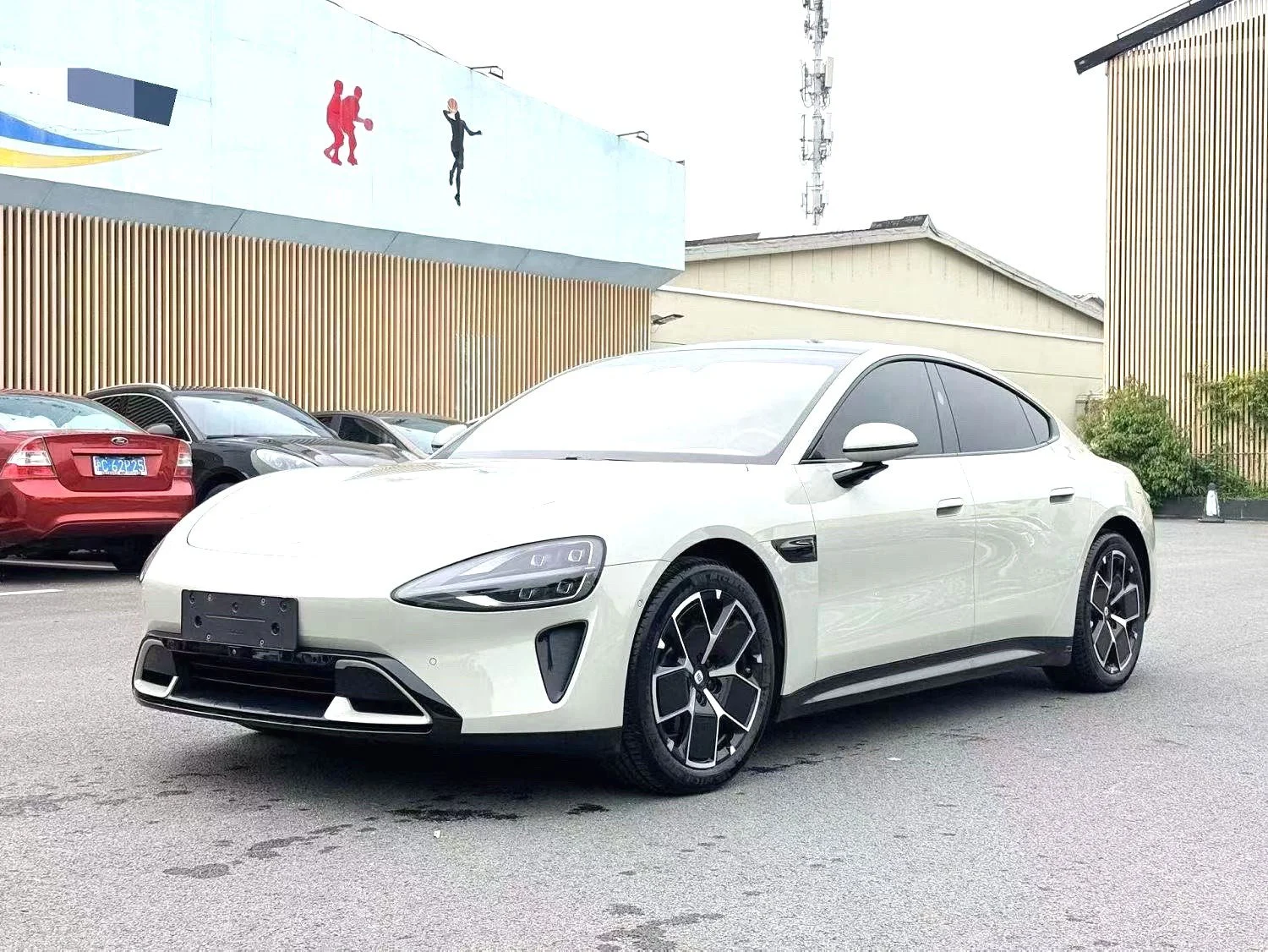
2024 Xiaomi SU7 700km Standard RWD (299HP / 9,800km) Electric Sport Sedan
- 2025
- 9,800 km
- Automatic
- Electric

2023 XPENG G6 755 Long Range Pro (218kW / 296HP / 800V SiC) Electric Coupe SUV
- 2024
- 59,000 km
- Automatic
- Electric
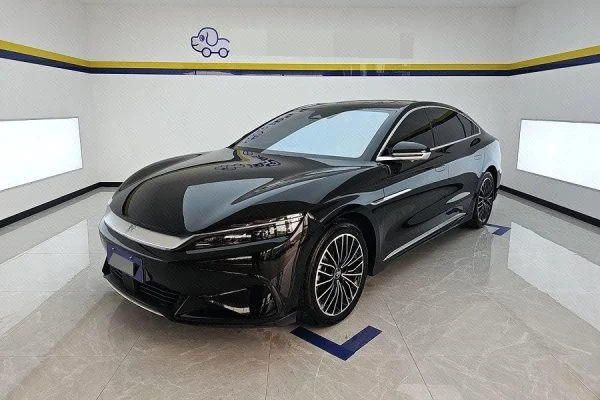
2024 BYD Han EV 506KM Honor Edition Noble (204 HP / FWD) – Executive Electric Sedan
- 2024
- 6 km
- Automatic
- Electric