









Is a Used Electric Car Worth Buying in 2026? Real Numbers
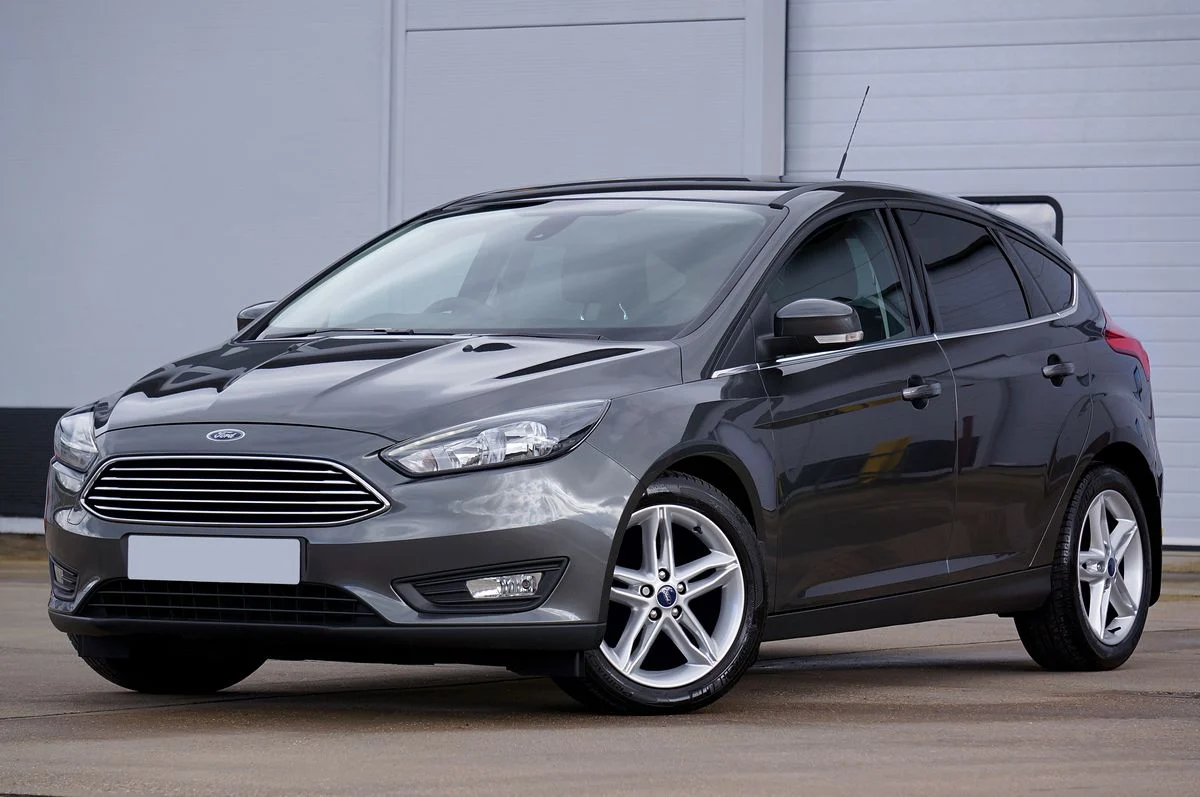
A used electric car is worth buying in 2026 if you keep it at least four years, drive 12,000-20,000 km annually, and can charge at home. In that case a $15,000 Chinese used EV costs roughly $0.19/km all-in versus $0.31/km for a comparable petrol car. Skip any of those three conditions and the maths breaks.
That is the whole answer. Everything below is the working.
How fast do used EVs depreciate?
Chinese EVs lose 40-50% in the first three years, then flatten. A 2022 BYD Yuan PLUS (Atto 3) 510km Flagship that cost 139,800 yuan new now trades near 105,000 — a 25% drop. A 2023 model at 40-50% off new is typical.
That curve is why buying at three years old is the smart move. The original owner took the hit; you get a car with 60-70% of its life left at half the price. Buying at five years old saves more but starts to carry battery and parts risk.
What does it actually cost to run?
| Cost per 15,000 km year | Used China EV ($15k) | Used petrol SUV ($15k) |
|---|---|---|
| Energy | $450 (home) / $1,050 (public) | $1,800 |
| Service and repairs | $180 | $650 |
| Insurance | $700 | $600 |
| Tires (amortised) | $240 | $200 |
| Depreciation (yr 3-7) | $1,300 | $1,200 |
| Total | $2,870-$3,470 | $4,450 |
The saving is mostly energy and service, not depreciation. EVs depreciate similarly or slightly worse than petrol cars in this segment. Anyone claiming huge resale value on a Chinese EV has not checked the market.
How long does the battery really last?
An LFP pack in a BYD or GAC car is rated for 3,000-4,000 full cycles. At 300 km of real range per cycle, that is 900,000-1,200,000 km of theoretical life. Real-world data from Chinese fleets shows 85-90% capacity at 200,000 km.
NMC packs, used in older Zeekr and Leapmotor models, manage 1,500-2,000 cycles — still 400,000-500,000 km. In practice, the car’s body and electronics fail before the pack does.
When is a used EV a bad idea?
- No home or work charging. Public DC at $0.35/kWh erases most of the running-cost advantage.
- You trade every two years. Depreciation is the largest cost line and it hits hardest early.
- Long highway commutes beyond 250 km daily. Charging time becomes a real tax.
- Very cold climates. Range drops 25-35% below -10°C, which can make a 400 km car a 260 km car.
Which used EVs hold up best on cost?
The ones with LFP packs and huge parts networks. A 2023 BYD Song PLUS EV Champion Edition 520km at $14,500-$17,000 and a 2022 BYD Yuan PLUS (Atto 3) 510km Flagship at $15,400-$17,800 are the two safest long-hold picks. Their consumables are cheap and every importer stocks them.
For low-mileage city use, a 2023 Wuling Binguo 333km Express Edition at $7,600 pays back fastest because the capital outlay is small. Its running cost is even lower than a larger EV — 10 kWh/100 km instead of 15.
What about a used EV versus a used hybrid?
Hybrids win where charging is unavailable, and lose everywhere else. A 2025 Geely Galaxy Starship 7 EM-i 120km at $15,600 uses 4.5-5.5 L/100 km with a flat battery — good, but still $1,200 a year in fuel at 15,000 km. The battery-only equivalent is $450.
What about insurance and resale in the maths?
Insurance is the line people underestimate. EV premiums run 10-20% above petrol equivalents in most markets because repair costs are higher and fewer shops are certified. On a $15,000 car that is $70-$140 a year more, which the energy saving absorbs easily.
Resale is the honest weak point. A Chinese used EV bought at three years old will lose 30-35% over the next four. A Toyota hybrid loses 25%. The gap is about $1,000 on a $15,000 car — small enough that fuel savings win, but not nothing.
How do you check a used EV before buying?
Five checks, in order of importance: state of health from a raw BMS export, cell voltage spread, DC charge curve, the on-board charger, and the 12V battery. Everything else — paint, tyres, interior — is normal used-car work.
If a seller cannot produce the BMS export, stop. Every car on this site has that data available, and refusing to share it is the clearest signal you will get.
- Health above 90% at under 60,000 km — anything lower needs a price adjustment.
- Cell spread under 60 mV — wider means a weak module.
- DC charge curve within 15% of spec — slow charging is the most expensive hidden fault.
- Charger and 12V battery — the two most common failures, both under $1,200.
- Warranty transfer terms — get them in writing before payment.
One more lever most buyers miss: charging speed at home. A 7 kW wallbox adds about 40 km of range an hour, which covers a night of charging for almost any daily commute. A 2.2 kW domestic socket adds 12 km an hour, which is not enough for a 60 km day without planning.
Key Takeaways
- A used electric car is worth it in 2026 if you keep it four years, drive 15,000+ km a year and charge at home.
- Total ownership runs about $0.19/km versus $0.31/km for a comparable petrol car.
- Chinese EVs lose 40-50% in three years, then flatten — the three-year mark is the best entry point.
- LFP packs reach 200,000 km at 85-90% capacity; the pack outlives the car’s electronics.
- Without home charging or with two-year ownership cycles, a used EV rarely pays off.
Related Vehicles

2022 BYD Yuan PLUS (Atto 3) 510km Flagship (204HP FWD) Electric Compact SUV
- 2022
- 56,000 km
- Automatic
- Electric
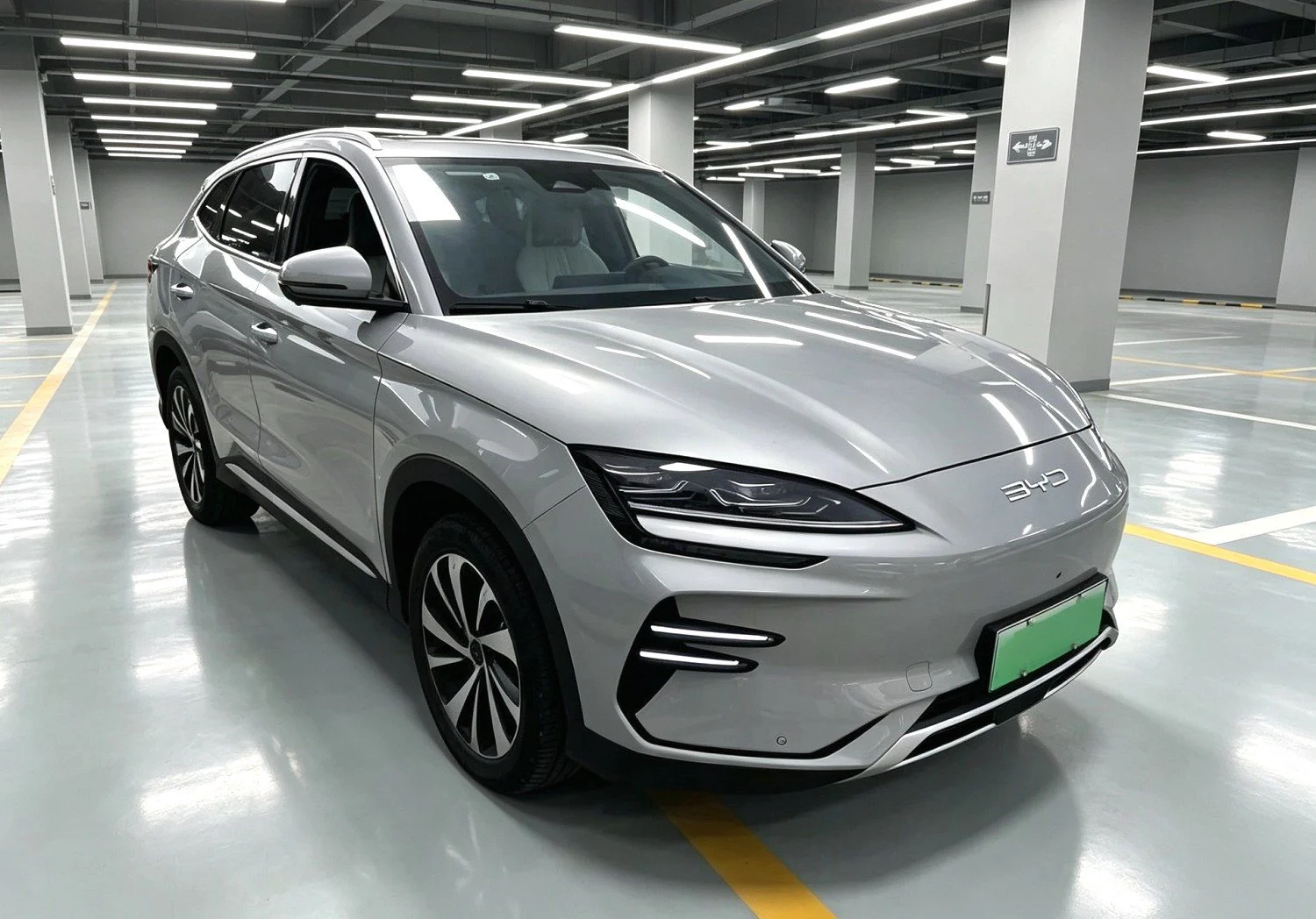
2023 BYD Song PLUS EV Champion Edition 520km Flagship (204HP FWD / Seal U) Electric SUV
- 2024
- 4,000 km
- Automatic
- Electric
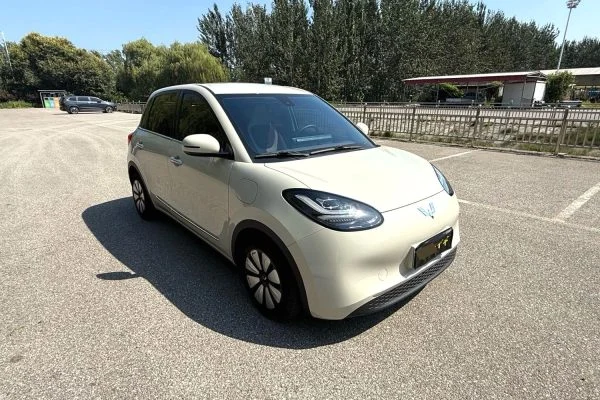
2023 Wuling Binguo 333km Express Edition for Sale – 68 hp EV, 333 km Range, Export Ready
- 2024
- 6,000 km
- Automatic
- Electric
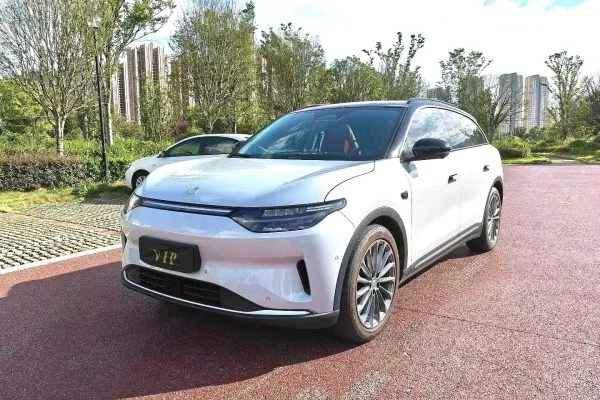
2024 Leapmotor C11 580 Premium Edition for Sale – 272 hp EV, 580 km Range, Export Ready
- 2024
- 21,000 km
- Automatic
- Electric