









Used Electric Car for Sale by Owner: Scam Checks for 2026
Buying a used electric car for sale by owner saves you dealer markup, typically 8-15% – but it hands you the inspection work. On an EV the biggest risk is a hidden bad battery, and private sellers rarely volunteer that information.
What are the most common EV scams by private sellers?
The classic one is the phantom listing: a stolen photo, a price 30% below market, and a seller who is “overseas” and wants a deposit by wire before you see the car. Another is the rolled-back odometer on a high-use car. On EVs a third scam is hiding a battery replacement or a flooded pack.
How do you verify a private-sale EV?
- Meet in person. Never pay a deposit for a car you have not seen.
- Ask for the VIN and check it against the registration and any history report.
- Get a BMS State-of-Health scan. On a BYD Atto 3, 90%+ after three years is healthy.
- Insist on a pre-purchase inspection at a third-party shop, not the seller’s friend.
- Pay by traceable method and get a signed bill of sale with the VIN.
Is buying from a private owner cheaper?
Usually yes. Private sellers skip reconditioning and warranty, so prices run below dealer stock. A Xiaomi SU7 or Leapmotor T03 from a private seller can be $1,500-$4,000 cheaper than the same car on a lot.
You give up two things: any warranty, and the safety net of a dealer resolving title problems. If the car has an outstanding loan or a salvage brand on the title, that becomes your problem after the sale.
When should you walk away?
Walk if the seller refuses an inspection, cannot produce the title in their own name, or pushes urgency. Honest sellers wait. On a used EV, a refusal to allow a battery scan is the loudest red flag of all.
Key Takeaways
- Private EV sales save 8-15% versus dealers, but carry no warranty.
- Always scan battery health; 90%+ after 3 years is the target.
- Never wire a deposit before seeing the car in person.
- Check VIN, title, and history; refuse urgency and no-inspection sellers.
Related Vehicles

2022 BYD Yuan PLUS (Atto 3) 510km Flagship (204HP FWD) Electric Compact SUV
- 2022
- 56,000 km
- Automatic
- Electric
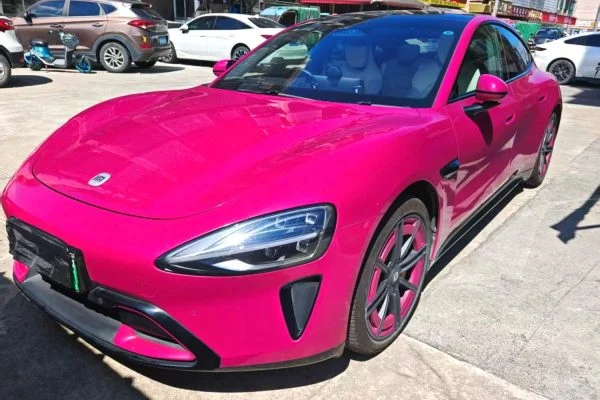
2024 Xiaomi SU7 Founder Edition RWD (299HP / 700km Range) Electric Sedan
- 2025
- 50,000 km
- Automatic
- Electric
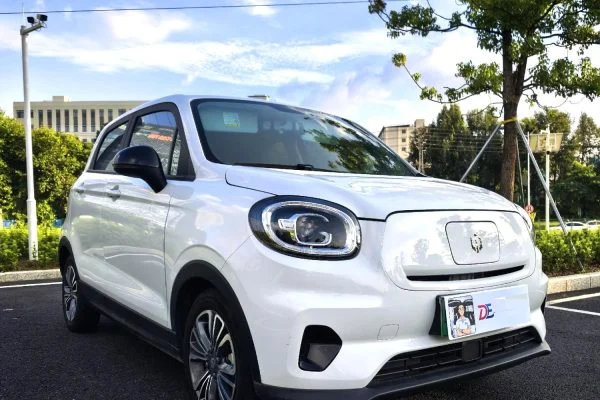
2024 Leapmotor T03 403 Comfort Edition for Sale – 109 hp EV, 403 km Range, Export Ready
- 2024
- 11,000 km
- Automatic
- Electric

2023 BYD Seagull Free Edition 305km (55kW / 75HP / Blade Battery) Electric Hatchback
- 2023
- 57,000 km
- Automatic
- Electric