









China Used EV vs Local Used EV: 2026 Price Comparison

A used Chinese EV typically lands 20-40% cheaper than a comparable local used model in 2026, once you account for the car’s spec and age. A 2023 Chinese crossover with 400km of range can cost less than a five-year-old local hatchback. The catch is everything around the car: shipping, approval, and support.
The comparison is not like-for-like, and pretending otherwise leads to bad decisions. Chinese cars pack more tech for the money because the domestic market is brutally competitive and software is cheap to add.
Where does China actually win on price?
In the mid-to-upper range. A used Luxeed R7 Ultra with 496hp and Huawei’s ADS 3.0 driver assistance lands at a fraction of a similarly equipped local premium SUV. The Avatr 11 Max EREV and the Li Auto L7 Max do the same at their price points — big screens, LiDAR, air suspension. No local brand matches that spec per dollar.
- Spec gap: Chinese cars offer more tech per dollar.
- Price gap: 20-40% below local equivalents.
- Range gap: often equal or better at the same price.
- Support gap: local brands win on service and parts.
What does the local alternative do better?
Three things. Warranty: a local dealer honours a factory warranty, a grey-import Chinese car usually does not. Parts: a local model has a supply chain near you; a Chinese one waits on a shipment. Resale: local brands hold value in markets where buyers fear orphaned imports.
That resale point is real. If you buy a Chinese EV and try to sell it in three years, you compete with a thin pool of informed buyers who also worry about parts. In niche markets, that can cost you more than the original saving.
How do I compare properly?
Price the landed cost: FOB, plus freight ($1,200-$3,000), plus duty (5-15% depending on country), plus approval and registration, plus a contingency for a battery or parts surprise. Then compare that number to the local car’s drive-away price. Only then is the comparison honest.
For buyers who keep cars five years and can source their own parts, the China route often wins clearly. For buyers who want zero hassle and strong resale, the local market is safer.
Key Takeaways
- Chinese used EVs land 20-40% below local equivalents.
- The spec-per-dollar gap is largest in the mid and upper range.
- Local brands win on warranty, parts and resale.
- Always compare landed cost, not FOB price.
Related Vehicles

2026 Luxeed R7 Ultra AWD (Huawei ADS 3.0 / 496HP) Luxury Electric Coupe SUV
- 2025
- 16,000 km
- Automatic
- Electric
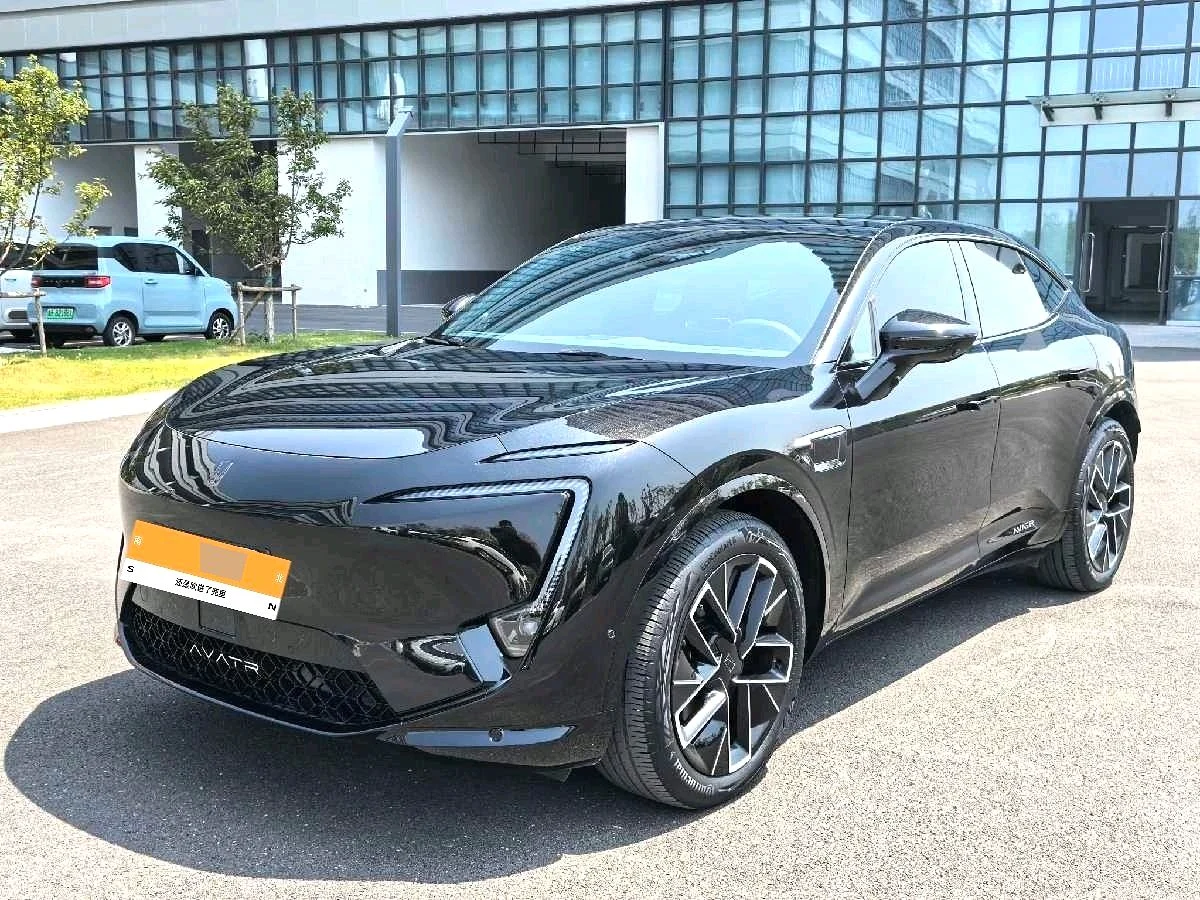
2025 Avatr 11 Max EREV RWD (310HP / Huawei ADS 3.0 Triple LiDAR) Luxury SUV
- 2025
- 7,000 km
- Automatic
- Plug-in Hybrid
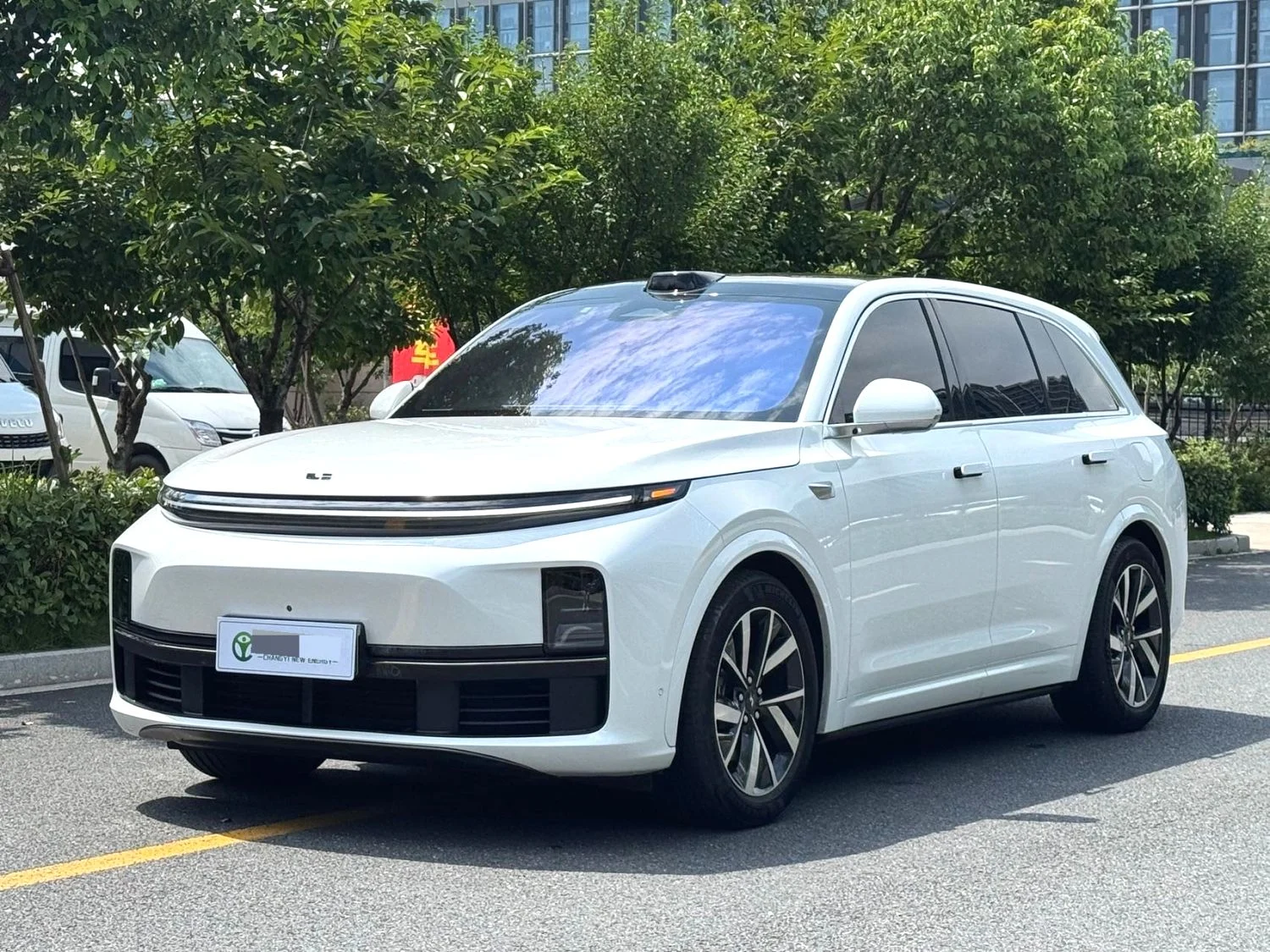
2023 Li Auto L7 Max AWD (449HP EREV / LiDAR & Air Suspension) Luxury 5-Seat SUV
- 2023
- 28,000 km
- Automatic
- Plug-in Hybrid