









Importing a Used EV to the UAE and GCC in 2026: Rules and Costs

Importing a used EV into the UAE and the wider GCC is one of the simplest routes for Chinese cars. Expect a 5% customs duty on the CIF value, a technical inspection, and a total timeline of 25-40 days from booking to registration.
What are the customs duties in the GCC?
The GCC customs union applies a standard 5% ad valorem duty on most imported vehicles, calculated on the CIF value, meaning cost plus insurance plus freight. Some categories and some member states apply their own add-ons, but for a normal used passenger EV, 5% is the baseline.
- Customs duty: 5% of CIF
- VAT in the UAE: 5% where applicable
- Port handling and clearance: $250-$600
- Technical inspection and registration: $150-$400
- Shipping: $1,100-$2,100 depending on route and method
What inspection is required?
The UAE requires imported vehicles to pass a technical inspection before registration, checking roadworthiness, lights, tyres, brakes and chassis condition. A car that fails gets flagged for repair, and you pay storage while it waits. Choose clean cars with intact original safety equipment and you will rarely have trouble.
Common failures on used Chinese EVs are minor: worn tyres, tinted windows that exceed the allowed limit, or missing warning triangles. Fixable, but each fix costs a day or more.
Which cars are worth importing to the region?
The GCC market likes large, well-equipped cars and complains about weak air conditioning. Battery thermal management matters a lot here, since ambient temperatures hit 48°C in summer. Cars with liquid-cooled packs handle this better than air-cooled designs.
Practical imports include family sedans and SUVs, such as the Volkswagen Magotan, the Toyota Corolla Cross, and premium units like the Mercedes-Benz E 300 L. Among EVs, check cooling design before you commit.
How long does the process take?
From payment to driving the car, plan for 25-40 days. Purchase and export paperwork take about a week. Shipping from Shanghai or Guangzhou to Jebel Ali runs 18-22 days. Clearance and inspection add 5-10 days. Delays usually come from incomplete documents, not from the ports themselves.
What are the pitfalls?
Heat and charging. Many GCC charging networks are still maturing, so an EV that relies on fast DC charging for daily use may frustrate a buyer. Be honest in your listing about charging needs and expected range in high temperatures.
Second, air conditioning load. Running the AC hard in 45°C heat can knock 20-30% off range. Buyers who do not know this will complain. Set expectations up front.
Third, resale. The used EV market in the region is young, and resale values are still discovering themselves. Do not promise strong residuals you cannot support.
Key Takeaways
- GCC duty is 5% of CIF, plus local VAT where it applies.
- Total timeline from payment to registration is 25-40 days.
- Technical inspection is required and mostly catches minor faults.
- Liquid-cooled battery packs suit the extreme heat better.
- Tell buyers that AC use cuts range by 20-30% in summer.
Related Vehicles

2018 Volkswagen Magotan 330TSI Luxury Edition for Sale – 180 hp Turbo Sedan, 7-Speed DCT, Export Ready
- 2018
- 40,000 km
- Automatic
- Petrol
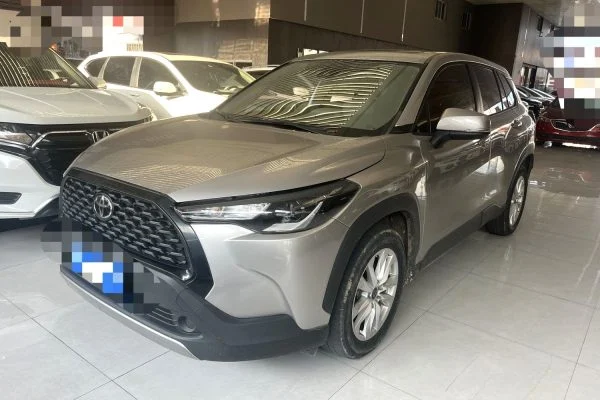
2022 Toyota Corolla Cross 2.0L Elite Edition for Sale – 171 hp Compact SUV, CVT, Export Ready
- 2022
- 27,000 km
- Automatic
- Petrol
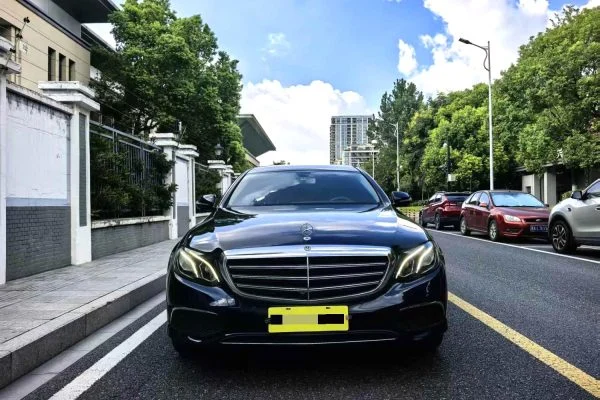
2020 Mercedes-Benz E 300 L Fashion Edition for Sale – 258 hp Executive Sedan, 9-Speed AT, Export Ready
- 2020
- 50,000 km
- Automatic
- Petrol