









How to Check a Used EV Battery Before You Buy

Ask for a BMS state-of-health (SoH) scan before buying any used EV. A pack reading 85% SoH or better is a safe buy; below 80% and you are looking at a $3,000-$6,000 replacement that wipes out the discount.
What is a BMS state-of-health scan?
The battery management system logs the actual capacity left in the pack. A scan reads it directly, unlike the dashboard range estimate, which is software guesswork. On a car like the 2024 Leapmotor T03 403 Comfort Edition, a healthy LFP pack should show 95% or better at two years old. If it reads 88%, that car has been cycled hard.
Why does fast-charge history matter so much?
Repeated DC fast charging accelerates degradation. A car that spent its life on slow AC charging at home holds capacity far better than one used as a ride-hailing vehicle with daily 120 kW sessions. Ask for the count of fast-charge cycles, not just the odometer. A 60,000 km car with 400 fast-charge sessions is riskier than a 90,000 km car with 30.
This is where older, cheaper EVs carry real danger. A 2019 Geely Emgrand GSe 500 Lingshang Edition is seven years old, and its pack may sit anywhere between 78% and 92% SoH depending on how it was treated. The spec sheet says 400 km; the real car may deliver 340 km.
What battery types should you prefer?
| Battery type | Cycle life | Cold weather | Fast-charge tolerance |
|---|---|---|---|
| LFP | Very high (3,000+) | Weaker | Good |
| NMC / ternary | Moderate (1,500-2,000) | Better | Moderate |
LFP lasts longer and is cheaper but loses more range in cold. Ternary batteries like the one in the 2022 GAC Aion V PLUS 80 Executive handle cold better but degrade faster over many fast-charge cycles. If you are exporting to Russia, northern Europe or Canada, weight the cold-weather behaviour heavily.
What are the red flags?
- Seller refuses a BMS scan or offers only a dashboard range photo.
- Odometer and fast-charge history do not line up (low km, huge charge count).
- Car has been sitting unused for 6+ months — deep discharge damages cells.
- No cell-balance data: a pack with one weak cell charges slowly and loses range fast.
- Aftermarket battery work with no documentation.
A proper scan takes 10 minutes with an OBD dongle. Any serious exporter will provide it free. Treat its absence as a fail.
Key Takeaways
- Insist on a BMS state-of-health scan; 85%+ is safe, below 80% is a money pit.
- Fast-charge cycle count matters more than total mileage.
- LFP packs last longer; NMC packs handle cold better.
- A car left unused for months risks permanent cell damage.
Related Vehicles
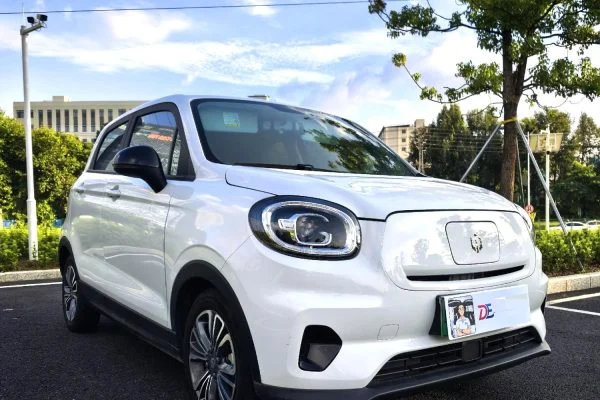
2024 Leapmotor T03 403 Comfort Edition for Sale – 109 hp EV, 403 km Range, Export Ready
- 2024
- 11,000 km
- Automatic
- Electric
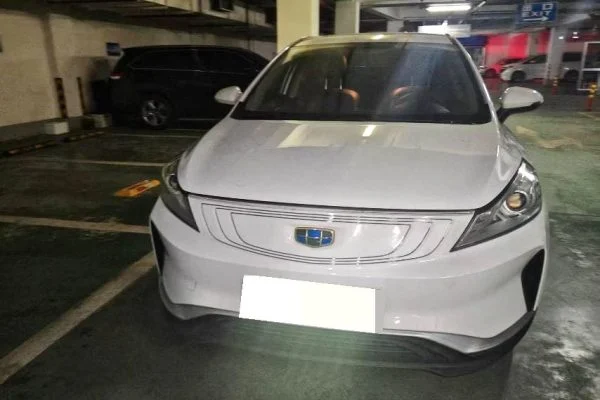
2019 Geely Emgrand GSe 500 Lingshang Edition for Sale – 163 hp EV, 400 km Range, Export Ready
- 2020
- 64,000 km
- Automatic
- Electric
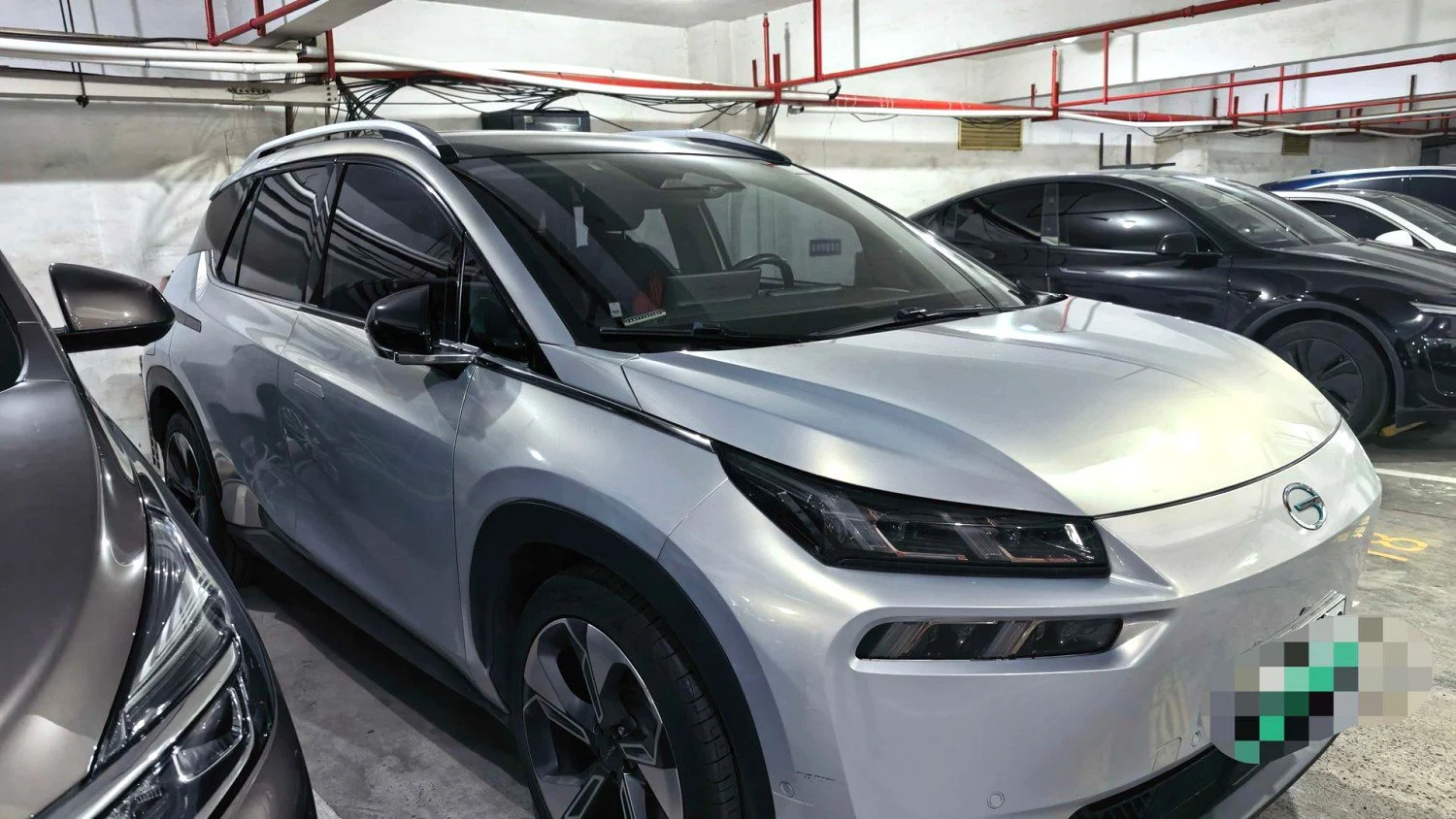
2022 GAC Aion V PLUS 80 Executive | Long Range EV – Super Value @ $28,800
- 2022
- 50,000 km
- Automatic
- Electric