









Used Chinese EV vs Local Used EV in 2026: Who Wins
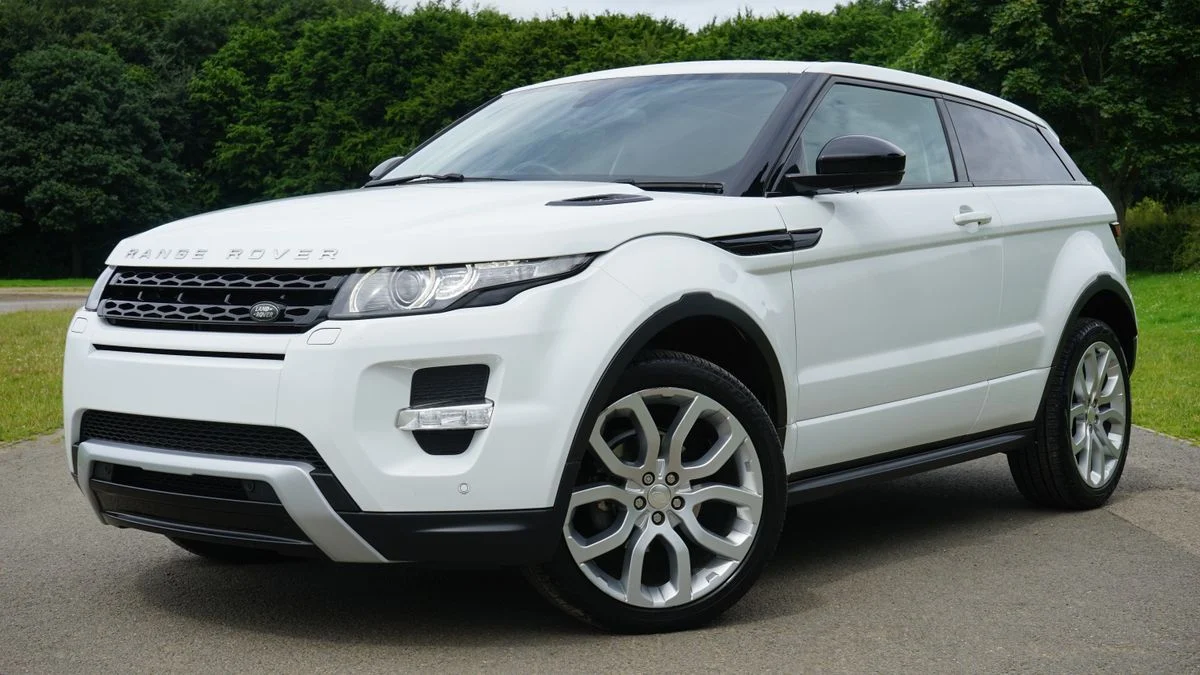
Imported used Chinese EVs win on range and equipment per dollar in 2026 — often 30-40% more range for the same money — but lose on local dealer support and resale value. The right answer depends on how long you plan to keep the car.
Why do used Chinese EVs cost less per kilometre of range?
China’s used EV supply is enormous and depreciation is steep. A 2024 XPENG P7+ Long Range Max with 615 km CLTC range and an 800V platform sells used for roughly $21,000-$25,000. For comparable range and charging speed in a European or Gulf used market, you would look at $40,000 or more. That gap is the entire case for importing.
Equipment tells the same story. Chinese-market cars are built for a competitive domestic market, so features that are optional elsewhere — large screens, panoramic roofs, advanced driver assistance, heated and ventilated seats — are standard on mid trims. A used PHEV like the 2026 Lynk & Co 07 EM-P 126 Ultra undercuts a used European plug-in hybrid by thousands while offering 1450 km combined range.
Where does the local used car actually win?
Three places. First, warranty and recalls: a local car was sold through a franchised dealer with a service history you can verify. An imported Chinese EV has no local recall coverage and often no factory warranty transfer. Second, parts and labour: a local technician knows the model. Third, resale — a mainstream local brand holds value better in most markets because there are more buyers for it.
There is a subtler point many buyers miss. A used Toyota or equivalent, like the 2022 Toyota Corolla Cross 2.0L Elite Edition, uses a petrol drivetrain with a repair network in almost every country. That matters if you drive long distances in areas with few charging points. An EV that strands you is a bad buy regardless of spec.
Which markets should import instead of buying local?
- Strong fit: Norway, Gulf states and island markets with cheap charging and high local EV prices.
- Mixed: Eastern Europe and Southeast Asia — price gap is real, but charging and parts vary by city.
- Weak fit: Markets with heavy EV import duty or no qualified EV technicians.
| Factor | Imported Chinese EV | Local used EV |
|---|---|---|
| Price per km of range | Better by 30-40% | Higher |
| Dealer & warranty support | Weak or none | Strong |
| Parts availability | Varies | Good |
| Resale value | Lower | Higher |
What is the honest verdict?
If you keep a car 3-4 years and have charging at home, importing a used Chinese EV is the cheaper route and the equipment gap is real. If you flip cars every 18 months, need warranty coverage or live where EV service is thin, buy local. There is no universal winner; the maths changes with your holding period and your city.
Key Takeaways
- Imported used Chinese EVs deliver 30-40% more range per dollar than local used equivalents.
- Local used cars win on warranty, parts and resale value.
- Import makes most sense for 3-4 year owners with home charging.
- Duty and charging infrastructure decide the outcome more than the car itself.
Related Vehicles

2024 XPENG P7+ Long Range Max (800V Platform / 615km Range) – AI Fastback Sedan
- 2026
- 16,000 km
- Automatic
- Electric
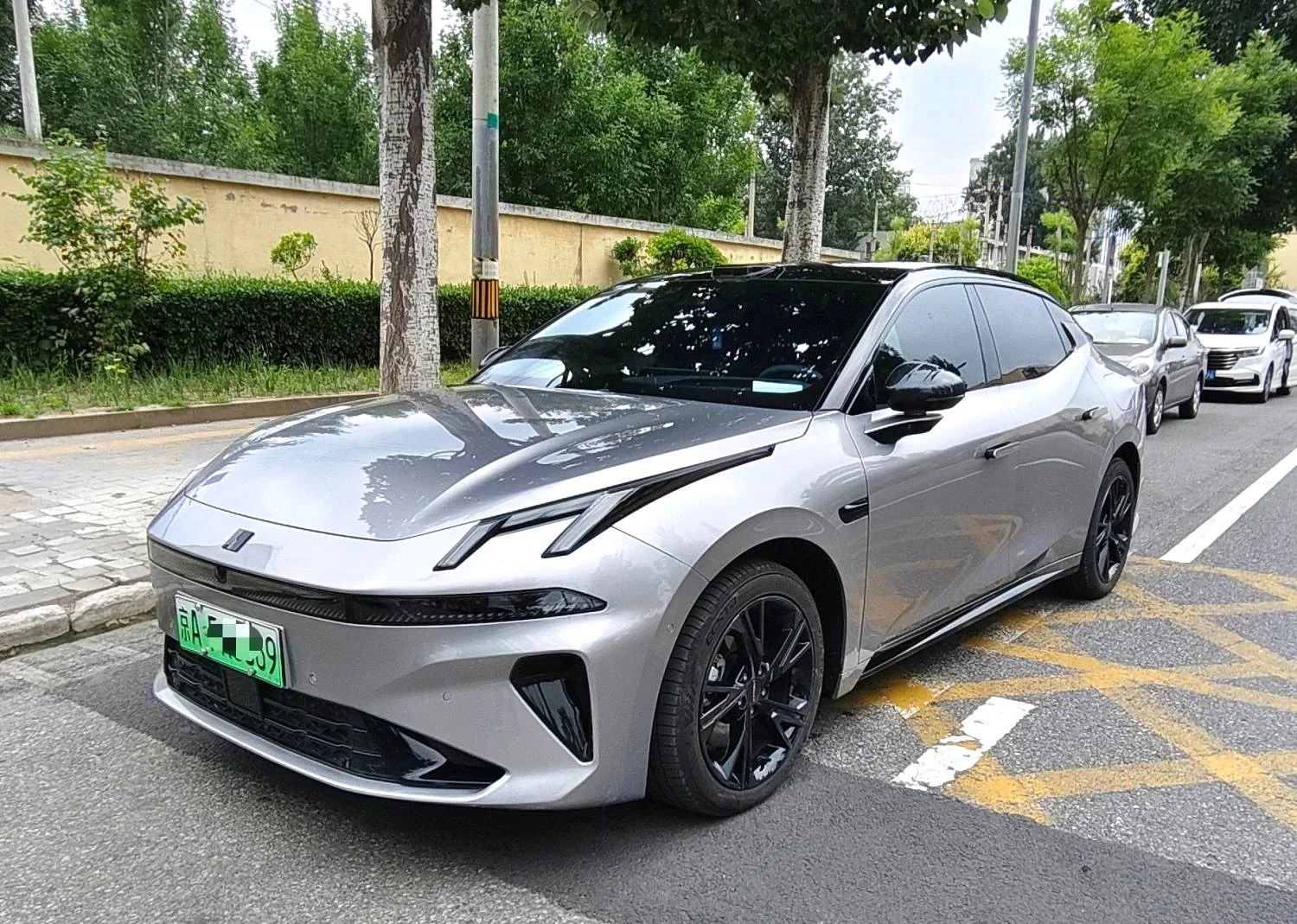
2026 Lynk & Co 07 EM-P 126 Ultra (408HP PHEV / 1450km Range) – Plug-in Hybrid Sedan
- 2026
- 13,000 km
- Automatic
- Plug-in Hybrid
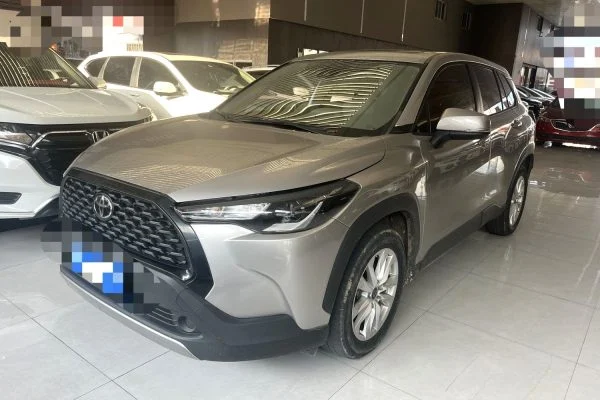
2022 Toyota Corolla Cross 2.0L Elite Edition for Sale – 171 hp Compact SUV, CVT, Export Ready
- 2022
- 27,000 km
- Automatic
- Petrol