









Used Li Auto L7 vs L9 in 2026: Which Exports Better

The used Li Auto L7 is the better export for most buyers in 2026: it costs $8,000-$10,000 less than the L9, seats five comfortably and drives the same range-extender powertrain. The L9 only wins if you genuinely need six seats.
Li Auto builds extended-range EVs, meaning a battery drives the wheels and a small 1.5-litre petrol engine charges the battery. That combination is why these SUVs export so well to markets without reliable chargers.
A note on naming: Li Auto’s SUV line is L6, L7, L8 and L9. The L7 is the five-seat flagship, the L8 and L9 stretch to six seats. Confusing, but it matters when you are comparing listings.
What is the price gap between a used L7 and L9?
- 2024 Li Auto L7 Max: $28,000-$33,000 FOB
- 2024 Li Auto L9 Max: $36,000-$42,000 FOB
- 2025 Li Auto L7 Ultra: $32,000-$37,000 FOB
That gap is roughly the price of an entire second car in some markets. The AITO M7 and the Avatr 11 are the other extended-range options worth comparing, both with strong Huawei electronics.
How do they differ in real use?
Both share the same 1.5T generator and around 40-45 kWh of usable battery, giving roughly 170-210 km of pure electric range and about 1,100 km with a full tank. Real-world electric range drops to 130-160 km in cold weather. Fuel economy with a flat battery lands near 8-9 L/100 km, which matters if you will drive mostly on petrol.
The L9 is about 200 mm longer and carries a third row plus rear entertainment screens. It is the family-hauler. The L7 handles better and parks easier.
Which one suits your market best?
- Middle East: L9, because large six-seat SUVs are the norm and fuel is cheap
- Southeast Asia: L7, because roads and parking favour the smaller body
- Africa: L7, cheaper to land and easier to service
- Europe: L7, since the L9’s size and weight hurt registration and running costs
What are the risks with a used Li Auto?
The range extender adds a combustion engine to maintain. Look for oil changes in the service history and check for any coolant leaks around the generator. These engines live an easy life, but neglected ones gum up. Also confirm the battery health separately from the engine, because both systems can fail independently.
Software updates come over the air, but a car outside China may lose access to the update server. Ask the seller which software version it holds and assume it will stay there.
Key Takeaways
- The used L7 costs $28,000-$33,000 FOB; the L9 $36,000-$42,000.
- Both deliver around 1,100 km combined range from a 1.5T generator.
- Pick the L9 for six seats and the Gulf; the L7 nearly everywhere else.
- Service the petrol engine and verify battery health separately.
Related Vehicles
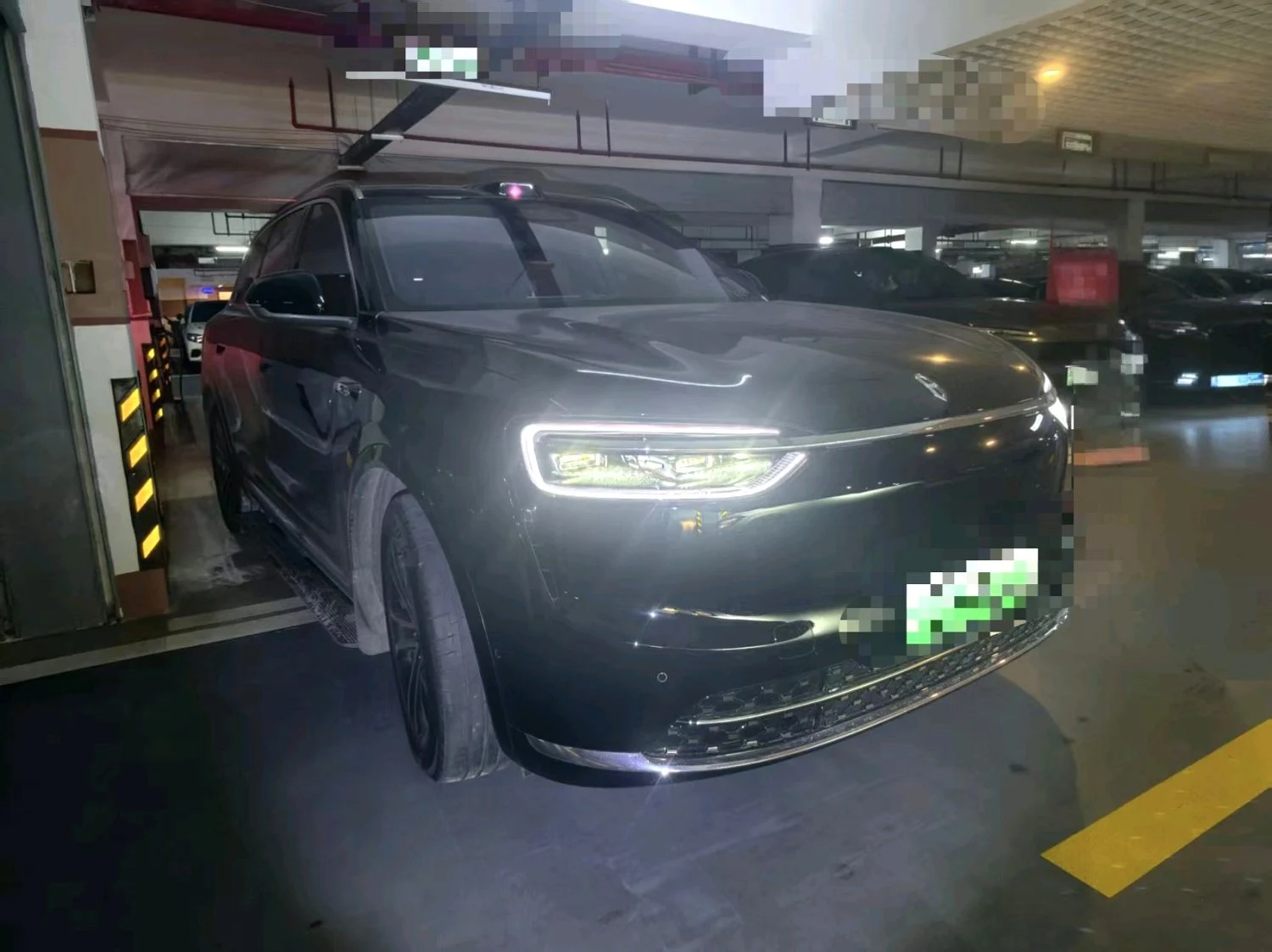
2026 AITO M7 Ultra EREV 4WD (449HP / 192-Line LiDAR) 5-Seater Luxury SUV
- 2025
- 4,000 km
- Automatic
- Plug-in Hybrid
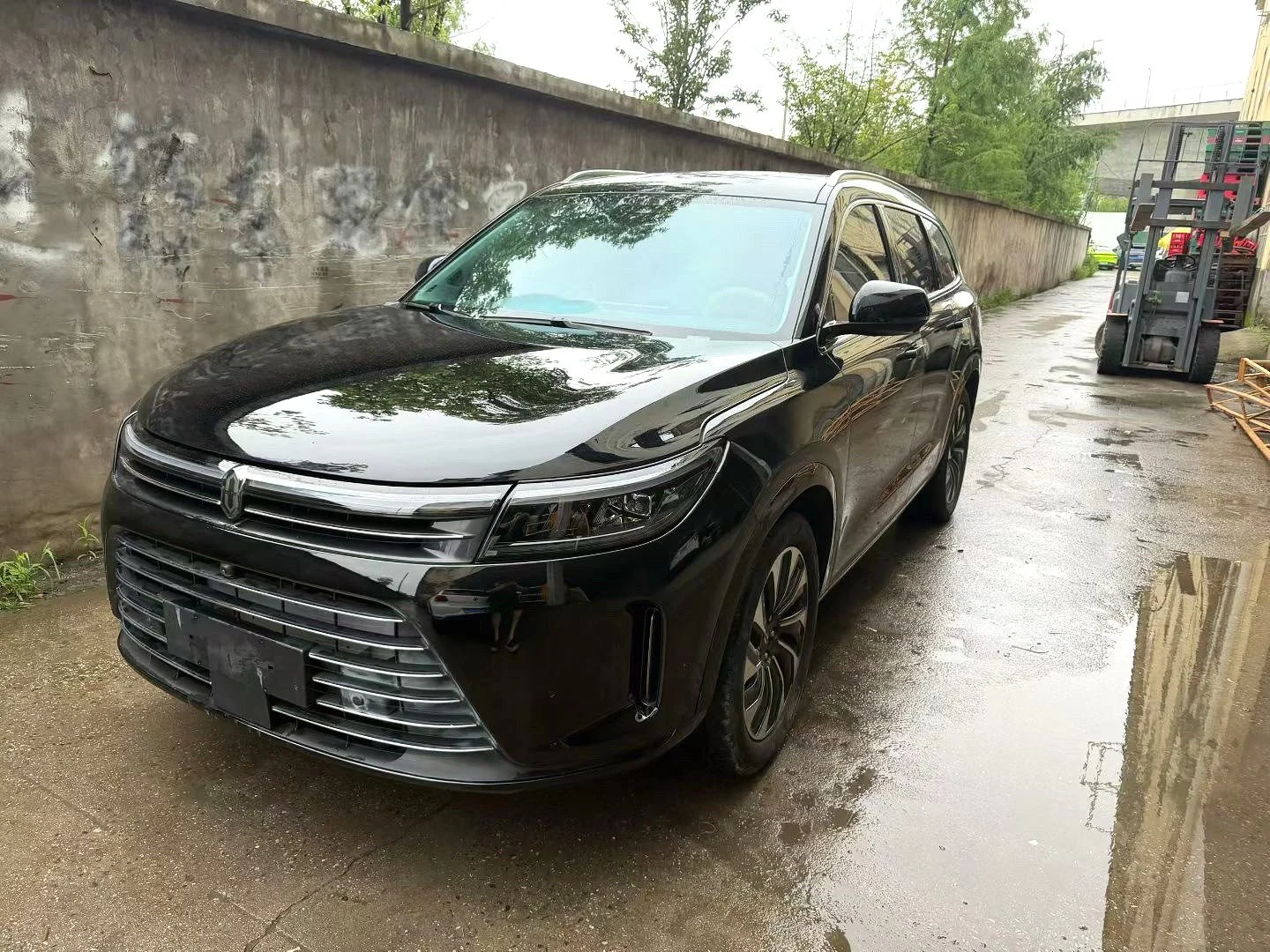
2024 AITO M7 Max RWD (Powered by Huawei ADS 2.0 / LiDAR) Extended Range SUV
- 2024
- 60,000 km
- Automatic
- Plug-in Hybrid
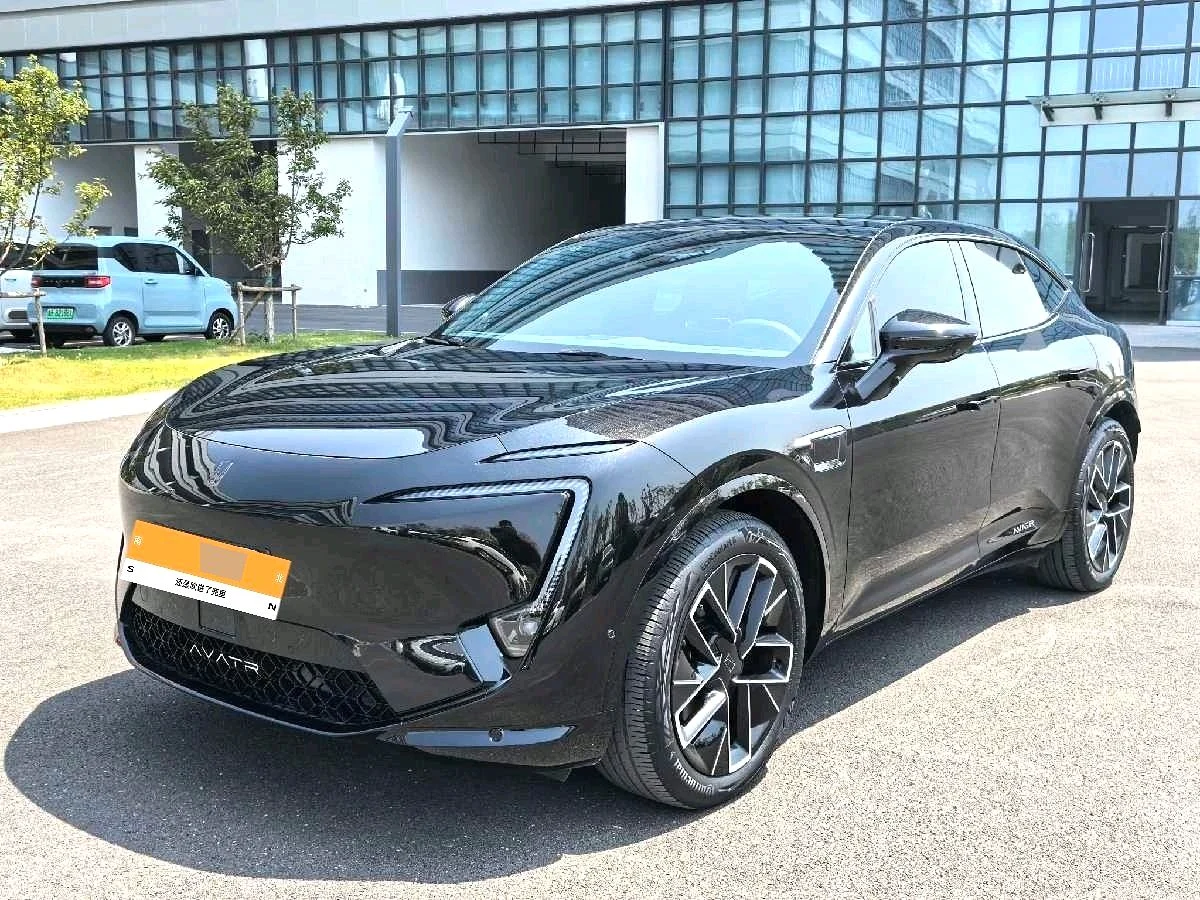
2025 Avatr 11 Max EREV RWD (310HP / Huawei ADS 3.0 Triple LiDAR) Luxury SUV
- 2025
- 7,000 km
- Automatic
- Plug-in Hybrid
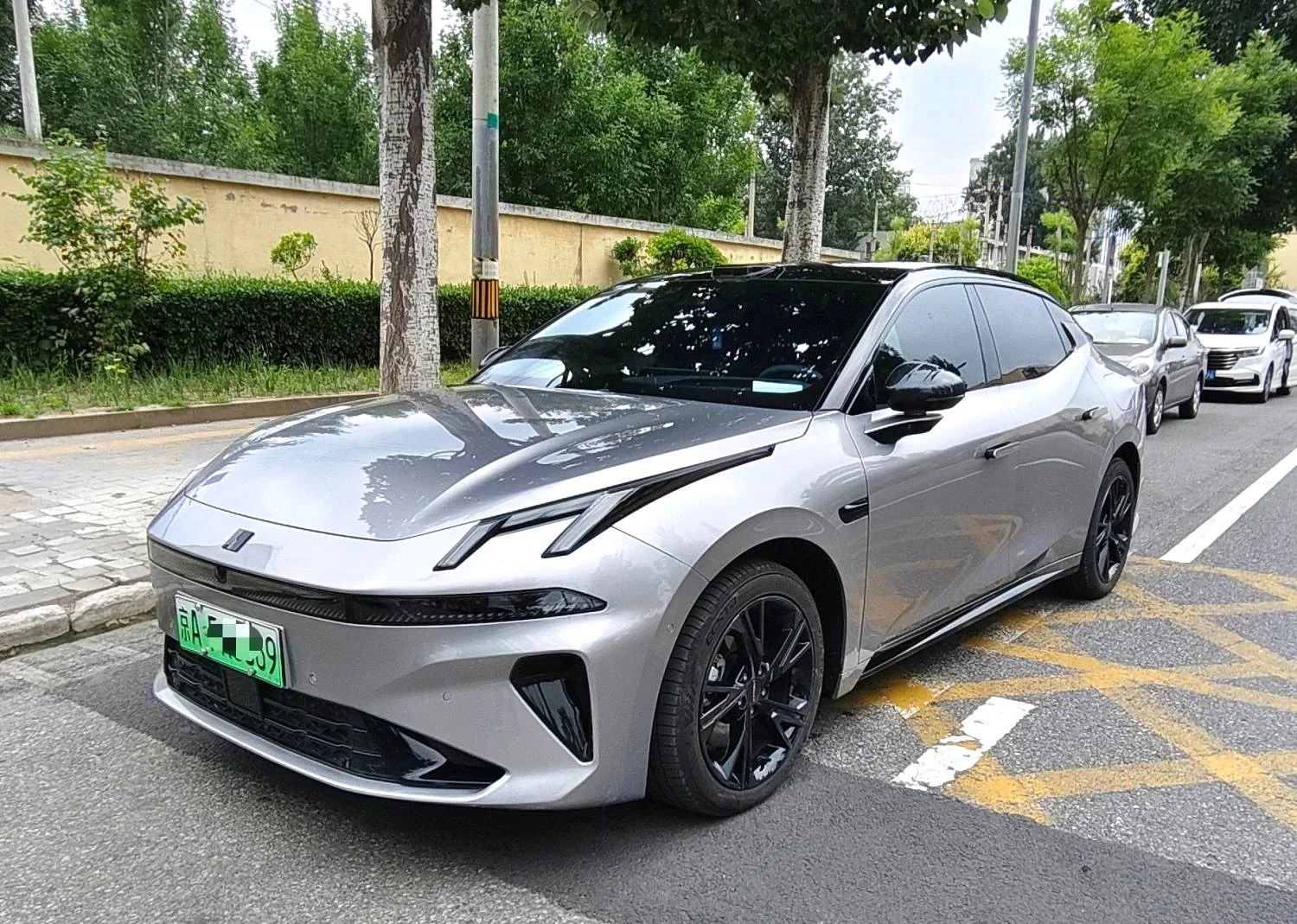
2026 Lynk & Co 07 EM-P 126 Ultra (408HP PHEV / 1450km Range) – Plug-in Hybrid Sedan
- 2026
- 13,000 km
- Automatic
- Plug-in Hybrid