









Importing a Used Chinese EV to Africa: 2026 Rules
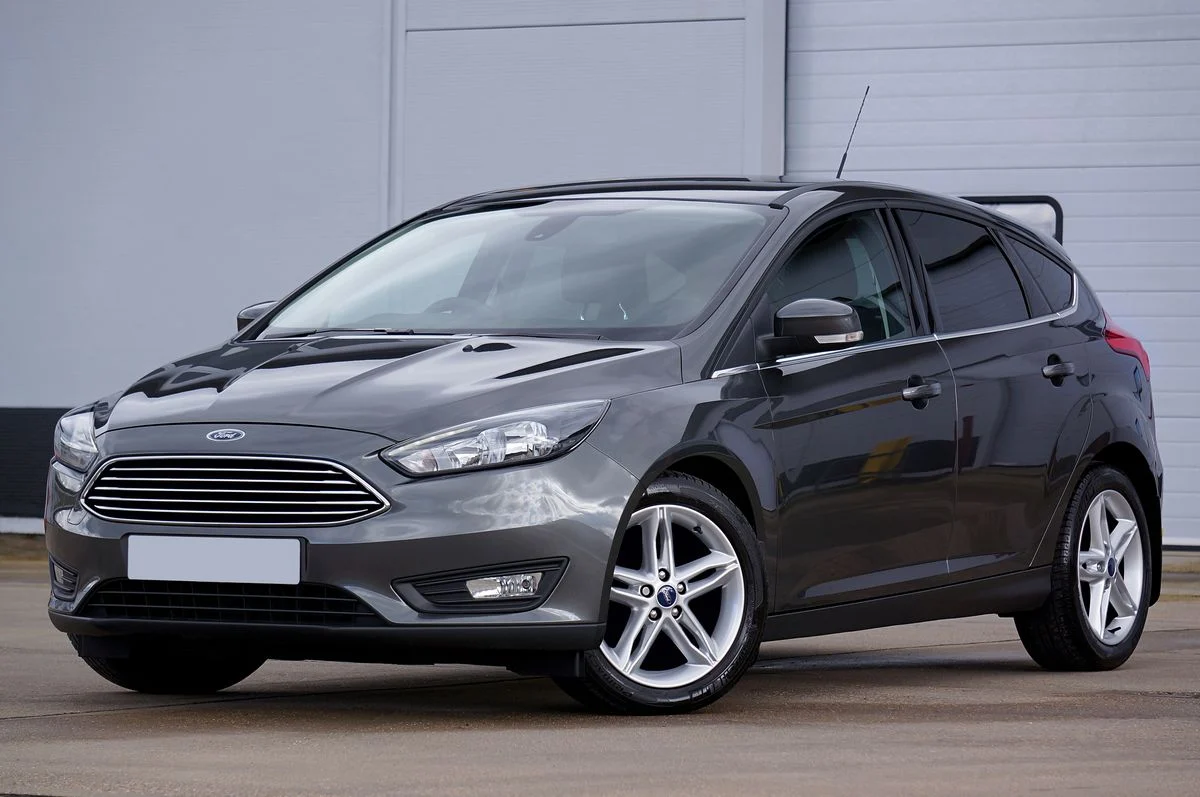
Importing a used Chinese EV to Africa in 2026 works best for 2-4 year old cars under a 5-8 year age limit, with duty ranging from free in some markets to 25-35% CIF in others. The catch is not the car; it is the charger network and the spare parts.
Africa is not one market. Kenya, Nigeria, Egypt, South Africa and Tanzania each write their own rules, and the differences decide whether a car makes sense.
Which African markets welcome used EVs?
Kenya, Ethiopia, Rwanda and Egypt have all pushed EV-friendly import terms in the last two years, mostly by cutting or waiving duty on electric vehicles to fight fuel imports. South Africa is the harder market because of its local assembly protection and stricter standards. Nigeria is open on paper but charging infrastructure is thin outside Lagos and Abuja.
What are the age and duty rules?
- Kenya: 8-year age limit; EV duty reduced, but excise still applies
- Ethiopia: had moved to restrict petrol imports and favours EVs
- Egypt: duty bands by engine size, with EV incentives
- South Africa: no age limit, but 25% import duty plus ad valorem tax
- Nigeria: duty plus levy, varies by year of manufacture
These change. Before you ship, get the current tariff code in writing from a local clearing agent, not from a forum.
Left-hand or right-hand drive?
This is the deal-breaker. Most of Africa drives on the right, but Kenya, Tanzania, South Africa and several southern African countries require right-hand drive. China is a left-hand-drive market. Converting a car from LHD to RHD is expensive and often impossible on newer EVs because of the wiring and dashboard layout. If your market needs RHD, buy at home or from Japan, not from China.
LHD markets like Egypt, Ethiopia, Nigeria and most of North Africa can take Chinese cars as they are. A BYD Seagull or a Leapmotor T03 is a natural fit for these buyers.
How do you handle charging in Africa?
Assume home charging and plan around it. Public DC fast charging is limited to major corridors. A 300-400 km city car charges fine from a 7 kW wall box overnight, which suits most urban African commutes. Long-distance travel needs the EREV route instead, so a car like the Deepal SL03 Range-Extended removes the dependence on chargers altogether.
What are the biggest risks?
Parts and diagnostics. Outside the big cities, few workshops have the software to read a Chinese EV’s fault codes. Buy a model with a local or regional dealer if you can, and buy two of the same car so one can become a parts donor. That sounds crude, it is also what experienced importers do.
Second risk: battery heat. Hot-climate duty cycles stress a pack. Insist on a BMS scan showing 90%+ state of health and avoid cars that have lived in extreme heat.
Key Takeaways
- Kenya, Ethiopia, Egypt and Nigeria take used EVs; RHD markets are a problem.
- Duty ranges from near-zero to 35% CIF; confirm current rules locally.
- Plan for home charging; a 300-400 km city EV is the safe pick.
- Prioritise models with regional parts support, and demand a BMS scan.
Related Vehicles
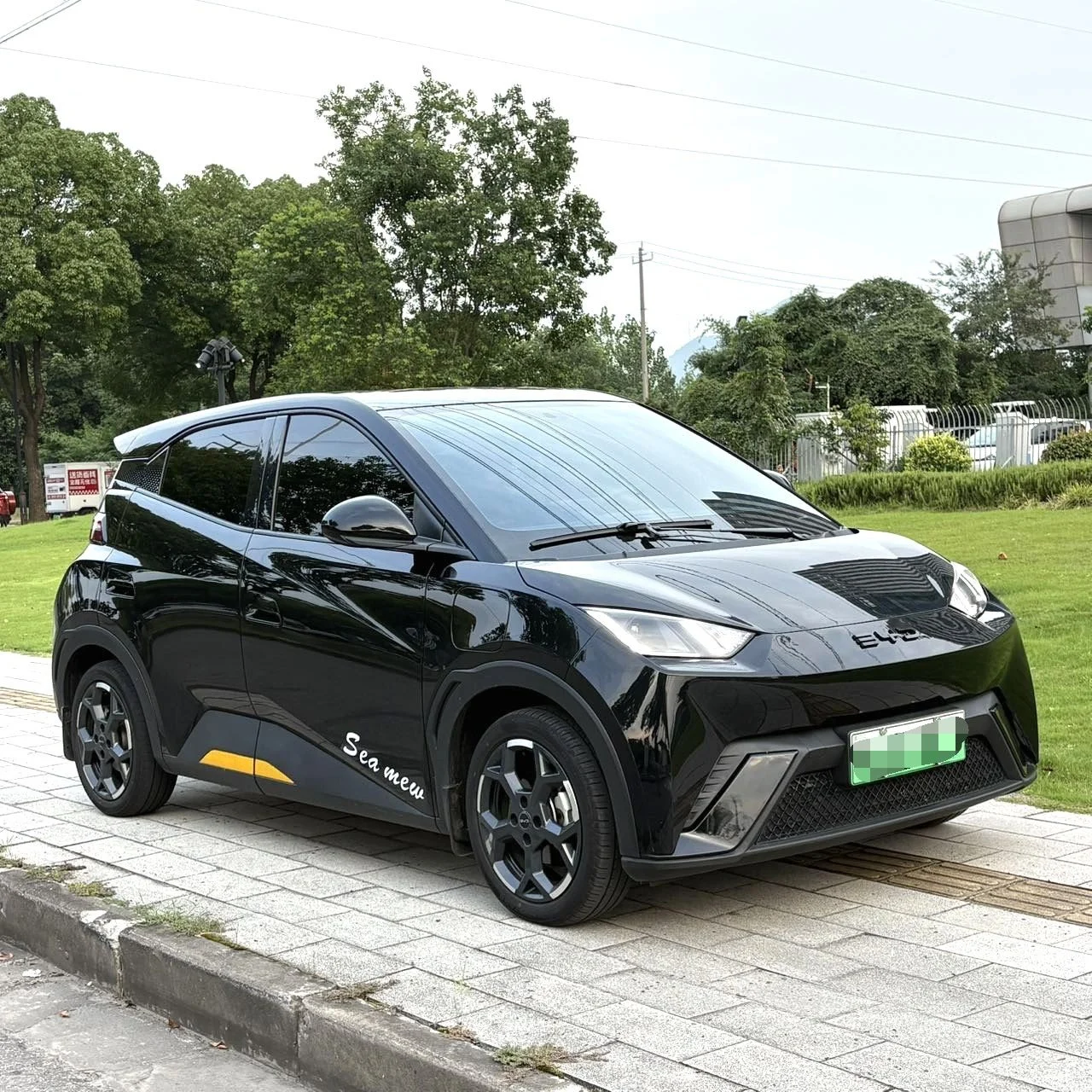
2025 BYD Seagull (Dolphin Mini) 305km Freedom Edition – Compact City EV | Ready to Ship
- 2024
- 35,000 km
- Automatic
- Electric
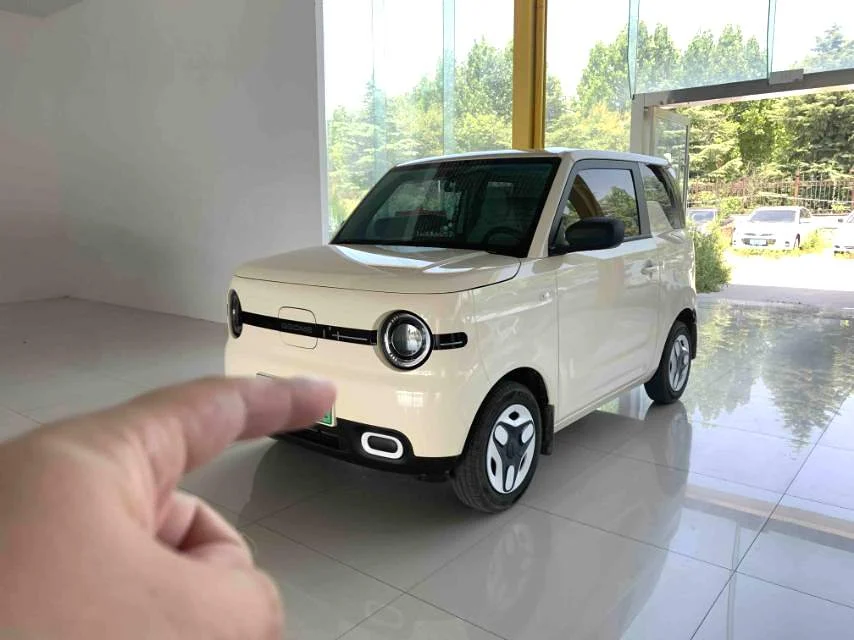
2025 Geely Panda Mini EV (210km Range / 22kW Fast Charge) Electric City Car
- 2025
- 9,000 km
- Automatic
- Electric
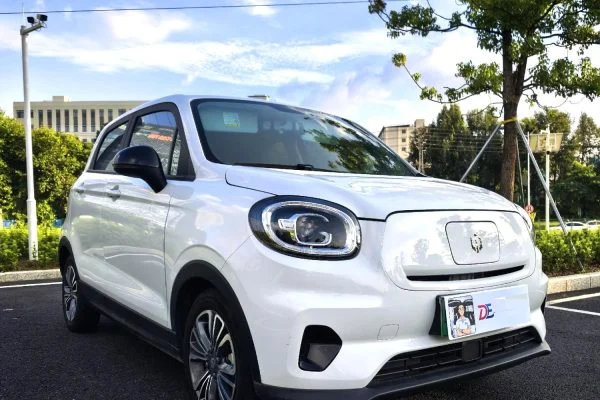
2024 Leapmotor T03 403 Comfort Edition for Sale – 109 hp EV, 403 km Range, Export Ready
- 2024
- 11,000 km
- Automatic
- Electric
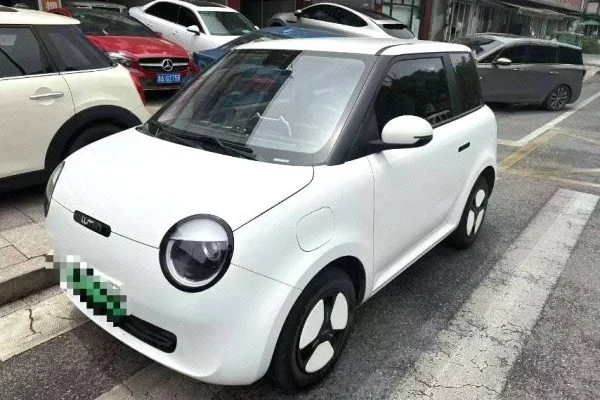
2022 Changan Lumin 301km Mitian Edition (35kW / 48HP) Mini Electric City Car
- 2022
- 18,000 km
- Automatic
- Electric