









Used Car Export Scams in China: 7 Traps to Avoid in 2026
The most common used car export scam in China is a bait-and-switch photo set — the car you inspect is not the car that ships. Six other traps follow closely, and all of them are avoidable with basic checks.
China’s used export market grew fast, and enforcement did not keep pace. Most sellers are legitimate. But the volume of cross-border deals and the difficulty of chasing a claim across jurisdictions make the trade attractive to bad actors. Here is what to watch for.
What are the most common traps?
- Bait-and-switch photos. The listing shows a clean car; a higher-mileage unit ships. Demand the VIN in every photo.
- Fake BMS reports. Screenshots are easy to edit. Insist on a live scan video showing the VIN on screen.
- Hidden accident damage. Repaired structural damage is invisible in photos. Ask for a third-party inspection.
- Odometer rollback. Fleet EVs often have software-tampered mileage; cross-check with the maintenance app history.
- Deposit vanishing acts. A “reservation fee” to a personal account is a red flag. Pay only to a company account.
- Bait pricing. A quote far below market usually hides undisclosed fees added before shipping.
- Fake shipping documents. Forged bills of lading stall the car at port while the seller keeps the money.
How do you protect yourself?
Use escrow or a letter of credit for any payment above a few thousand dollars. Never wire a deposit to an individual. Buy from sellers who let a third-party inspector visit the car — the Hongqi E-QM5 and Baojun Yep listings are the kind of documented stock that survives scrutiny.
Get a written contract in English and Chinese, specifying VIN, mileage, battery SOH, and the penalty if the shipped car does not match. A seller who resists a VIN clause is telling you something.
What should you verify before paying?
- VIN on the car matches the contract and the BMS scan
- SOH report with cell voltage spread, not just a percentage
- Third-party inspection report from a named company
- Company bank account in the same name as the contract
- Bill of lading issued and verifiable before final payment
Are cheaper deals always scams?
No. Chinese used EV prices genuinely fell, so real bargains exist. The problem is not a low price — it is a price far below every comparable listing, paired with pressure to pay fast. Legitimate sellers let you inspect and take time. Scammers manufacture urgency.
Key Takeaways
- Bait-and-switch photos are the number one used export scam.
- Always demand a live BMS scan video showing the VIN.
- Pay via escrow or letter of credit, never to a personal account.
- Get a bilingual contract with VIN, mileage and SOH clauses.
- Urgency and below-market prices are the clearest warnings.
Related Vehicles
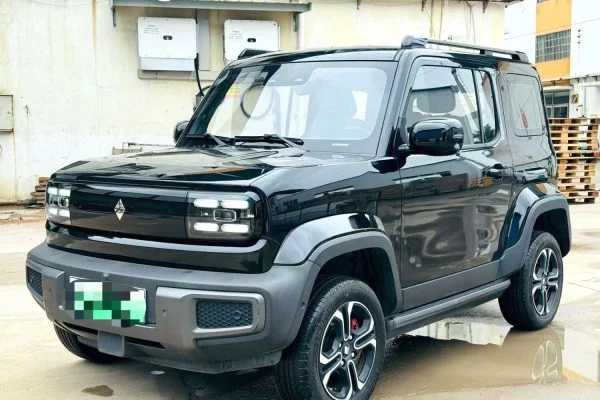
2024 Baojun Yep Zhizun Edition for Sale – 303 km Range, 68 hp EV, Export Ready
- 2024
- 15,000 km
- Automatic
- Electric

2022 Hongqi E-QM5 431km Charging Edition (100kW / 136HP / FWD) Electric Executive Sedan
- 2022
- 30,000 km
- Automatic
- Electric
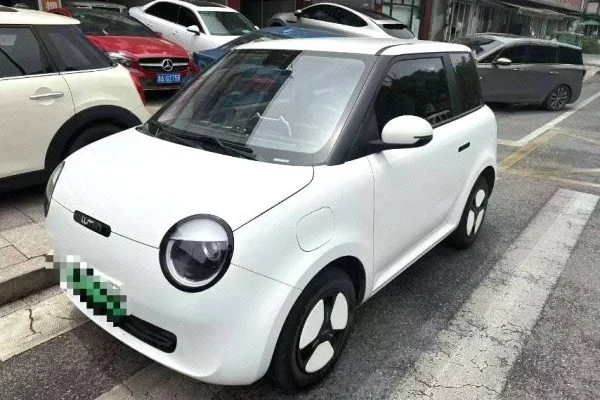
2022 Changan Lumin 301km Mitian Edition (35kW / 48HP) Mini Electric City Car
- 2022
- 18,000 km
- Automatic
- Electric

2024 Wuling Bingo (Binguo) 333km Enjoy Edition (50kW / 68HP) Electric Hatchback
- 2024
- 60,000 km
- Automatic
- Electric