









Exporting a Used Chinese EV to Africa in 2026: Ports and Rules
Exporting a used Chinese EV to Africa costs $1,100-$2,600 in sea freight and takes 30-55 days, but the hard part is paperwork and destination age limits. Get those wrong and the car sits in port burning demurrage at $40-$90 a day.
Africa is now one of the fastest-growing destinations for Chinese used cars. Cheap small EVs like the Baojun Yep and Changan Lumin fit local budgets and road conditions. The rules, though, vary wildly from country to country — so treat this as a checklist, not a formula.
Which African ports take Chinese EVs?
- West Africa: Lagos (Tin Can/Apapa), Tema, Abidjan, Cotonou
- East Africa: Mombasa, Dar es Salaam, Djibouti
- North Africa: Alexandria, Casablanca, Tangier Med
- Southern Africa: Durban, Walvis Bay, Maputo
RoRo is the cheapest method for one or two cars. Container shipping makes sense for three or more units, or when you want to load spare parts and chargers alongside.
What are the age limits for importing used EVs?
This is where most deals die. Kenya caps used imports at 8 years, Nigeria at 15, Ghana at 10, and Egypt at 3 for many categories. A 2022 Changan Lumin clears most markets now but will not clear Kenya after 2030 — plan resale accordingly.
Some countries also apply a “right-hand drive only” rule. Kenya, Tanzania and South Africa require RHD, while most of West Africa accepts LHD. Confirm this before buying, because converting drive side is not economically viable.
Which documents do you need?
- Certificate of origin and export licence from China
- Bill of lading and commercial invoice
- Fumigation certificate for used vehicles
- BMS battery state-of-health report (increasingly demanded)
- Destination import declaration and duty payment
For a concrete example of what ships well, see the 2024 Baojun Yep Zhizun Edition (303 km) and the 2022 Changan Lumin 301km.
What duty and taxes should you budget?
Import duty plus VAT typically adds 25-45% of CIF value in West Africa, and 20-35% in East Africa. EV-friendly incentives exist in a few markets — Rwanda and Kenya offer reduced duty on electric vehicles — but the exemptions change yearly. Verify with a local clearing agent before you commit.
What usually goes wrong?
Three failures dominate. First, buying a car that fails the destination’s age limit. Second, missing the RHD requirement. Third, arriving without a battery health report, which now triggers inspection delays in Mombasa and Lagos. Any one of these can push landed cost up by 15% or more.
Key Takeaways
- Sea freight to Africa runs $1,100-$2,600 with 30-55 day transit.
- Age limits bite: Kenya 8 years, Ghana 10, Egypt 3.
- Kenya, Tanzania and South Africa require right-hand drive.
- Duty and VAT add 20-45% of CIF value.
- A battery health report is now expected at major ports.
Related Vehicles
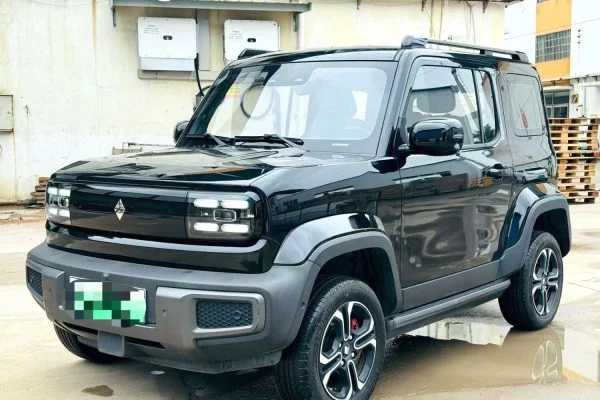
2024 Baojun Yep Zhizun Edition for Sale – 303 km Range, 68 hp EV, Export Ready
- 2024
- 15,000 km
- Automatic
- Electric

2022 Changan Lumin 301km Mitian Edition (35kW / 48HP) Mini Electric City Car
- 2022
- 18,000 km
- Automatic
- Electric

2022 Hongqi E-QM5 431km Charging Edition (100kW / 136HP / FWD) Electric Executive Sedan
- 2022
- 30,000 km
- Automatic
- Electric

2024 Wuling Bingo (Binguo) 333km Enjoy Edition (50kW / 68HP) Electric Hatchback
- 2024
- 60,000 km
- Automatic
- Electric