









Used Car Odometer Fraud in China: How Importers Spot It 2026

To spot odometer fraud on a Chinese used car, cross-check the instrument cluster against the ECU mileage, the service record timeline and the wear pattern on pedals and seats. Any mismatch between those sources is a reason to stop.
Rollback is not exotic. On many cars the mileage is stored in multiple modules, and a seller with the right tool can reset the cluster in minutes. From 8,000 km away, you cannot eyeball the car. So you verify through documents and independent inspection instead.
Which checks actually catch a rolled-back odometer?
- ECU versus cluster — a specialist scan reads stored mileage in the engine and body modules. A gap of more than a few hundred km is a red flag.
- Service record timeline — authorised-dealer records show date and mileage stamps. A jump backwards in that timeline is hard to fake consistently.
- Wear pattern — pedal rubbers, driver seat bolster and steering wheel wear should match the claimed distance. They usually do not when mileage is fake.
- Tyre and brake dates — manufacture dates on tyres tell you when they were fitted, which rarely matches a suspiciously low number.
Why are older cars the higher risk?
Because the price gap between a genuine 60,000 km car and a genuine 120,000 km car is wide, and on older models the digital trail is thinner. A 2016 Haval H2 may predate consistent online service records. A 2017 Roewe eRX5 PHEV has a plug-in hybrid drivetrain with two systems to check, and mileage on the electric side can be harder to verify. Older, cheaper cars attract more manipulation.
EVs have an advantage here. A 2019 BAIC BJEV EU300 stores cumulative energy and cycle data alongside distance, and a BMS scan exposes inconsistencies a petrol car would not show. Use that.
What documents should you demand?
Insist on the original registration document showing cumulative inspection mileage, any authorised-dealer service history, and a recent diagnostic scan performed live on video with the VIN visible. If a seller cannot or will not provide these, price the car as if the mileage is unverified — or walk away.
What other scams travel with mileage fraud?
Rollback often rides with others: undisclosed accident repair, flooded cars resold after drying, and deposits taken for vehicles that do not exist. Never pay a large deposit before an inspection confirms the car exists and matches its paperwork. Use escrow where possible, and keep payment tied to milestones.
One more thing worth saying plainly. A lower-mileage car is not automatically the better buy. A well-maintained 90,000 km car with full records beats a 40,000 km car with none. Buy the maintenance story, not the number.
Key Takeaways
- Compare ECU mileage against the instrument cluster via a specialist scan.
- Service records and wear patterns expose inconsistencies rollback cannot hide.
- EVs store energy and cycle data that make mileage harder to fake.
- Never pay a large deposit before an inspection confirms the car exists.
Related Vehicles
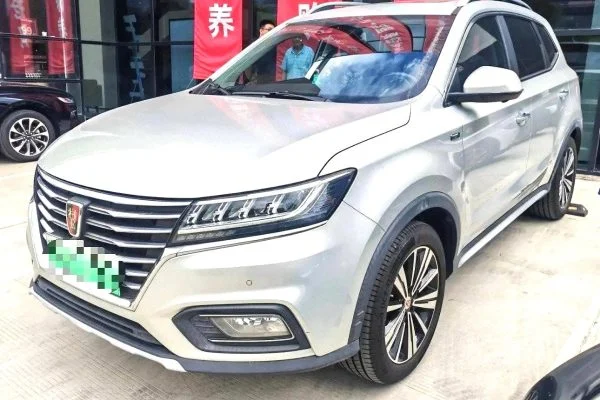
2017 Roewe eRX5 1.5T PHEV Flagship Edition for Sale – 704 N·m Torque, 60 km EV Range, Export Ready
- 2018
- 23,000 km
- Automatic
- Plug-in Hybrid
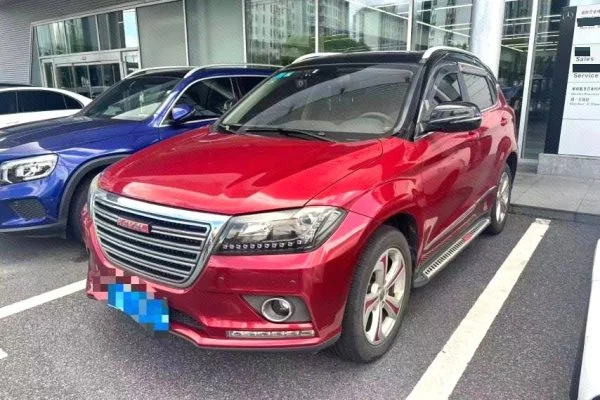
2016 Haval H2 Red Label 1.5T Premium Edition for Sale – 150 hp SUV, 6-Speed AT, Export Ready
- 2016
- 79,000 km
- Automatic
- Petrol
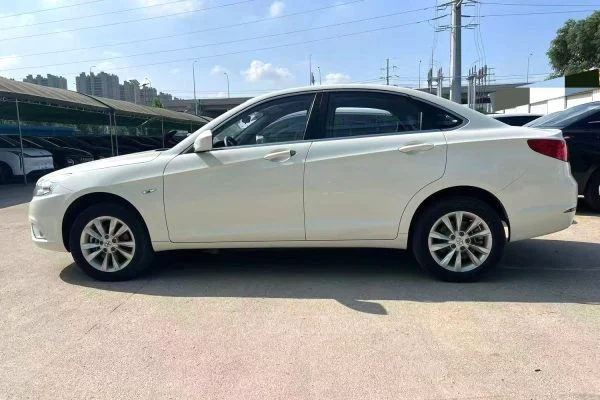
2019 BAIC BJEV EU300 EV for Sale – 136 hp Electric Sedan, 300 km Range, Export Ready
- 2021
- 51,000 km
- Automatic
- Electric