









Used EVs Under $10,000 From China: What Actually Ships
A used electric car from China under $10,000 usually lands between $11,000 and $13,500 once ocean freight, port handling and local taxes are added. The sub-$10k cars are real — they are just small, older, or short-range, and the shipping bill is not negotiable.
I spend a lot of time watching what European and African buyers actually order at this price. The pattern is consistent: people shop the sticker, then get surprised by the invoice. Below are three units sitting in inventory right now and what each one really means for your wallet in 2026.
What can you actually buy for under $10,000?
Three shapes dominate this band: a compact city EV, an older compact SUV, and a short-range electric sedan. None of them will cross a continent comfortably. All of them will handle a city, a delivery route, or a second-car duty without drama.
- 2019 BAIC BJEV EU300 — 136 hp electric sedan, 300 km range, roughly $8,000–$9,500 FOB depending on grade. See the EU300 listing.
- 2024 Leapmotor T03 403 Comfort — 109 hp, 403 km range, the newest car in this bracket; expect $9,000–$9,800. Check the Leapmotor T03 unit.
- 2016 Haval H2 1.5T — petrol, 150 hp, a cheap SUV if you want volume over battery range. View the Haval H2.
Why is the newest car in the bracket the Leapmotor T03?
Because small Chinese EVs depreciate fastest in their first 24 months, and the T03 was built in huge volume. A 2024 T03 with a 31.9 kWh LFP battery and 403 km CLTC range is genuinely a 2024 car at a 2019 price. That battery chemistry is the part worth understanding: LFP cells tolerate deep cycling and heat better than older NMC packs, which matters more than the headline range when you are buying used.
The trade-off is speed. 109 hp and a top speed around 120 km/h. If your market is intercity highways, skip it. If it is a dense city with 60 km daily runs, it will outlast a comparable petrol car on running cost.
What fees get added on top of the car price?
Budget these line items before you commit, because they do not shrink when the car is cheap:
- Inland transport to port — $150–$400
- Export documentation and inspection — $80–$200
- Ocean freight, RoRo or container share — $900–$1,800 to Africa or the Middle East
- Destination port handling and clearing — $300–$700
- Import duty and registration — varies wildly; 15%–35% in many markets
On a $9,000 T03, that stack routinely pushes the landed figure past $12,000. Anyone quoting you “a $9,000 EV, delivered” is either absorbing those costs into the car price or leaving them for you at the port.
Who should buy in this band, and who should not?
This bracket suits small fleets, ride-hailing operators in compact cities, and private buyers who need a cheap, low-maintenance runabout. It does not suit anyone who needs 400+ km of real-world highway range, fast charging above 60 kW, or a car with a modern ADAS suite. Be honest with yourself about that before you wire money.
Key Takeaways
- Used EVs under $10,000 FOB from China exist; landed cost is typically $11,000–$13,500.
- The 2024 Leapmotor T03 403 Comfort is the freshest car at this price, with a 403 km CLTC rating.
- The 2019 BAIC EU300 offers a 300 km range at roughly $8,000–$9,500.
- Shipping, duty and port fees add $1,500–$3,000 — always ask for a landed quote, not a sticker price.
Related Vehicles
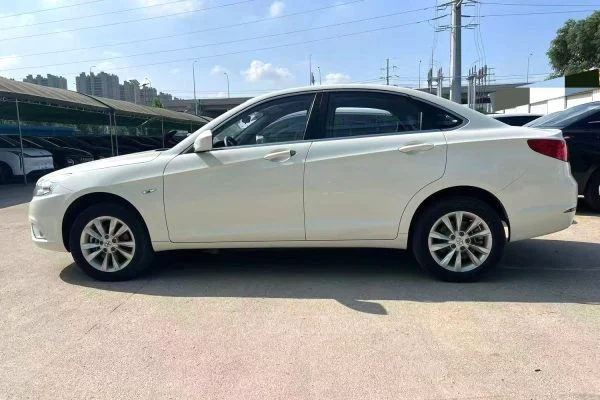
2019 BAIC BJEV EU300 EV for Sale – 136 hp Electric Sedan, 300 km Range, Export Ready
- 2021
- 51,000 km
- Automatic
- Electric
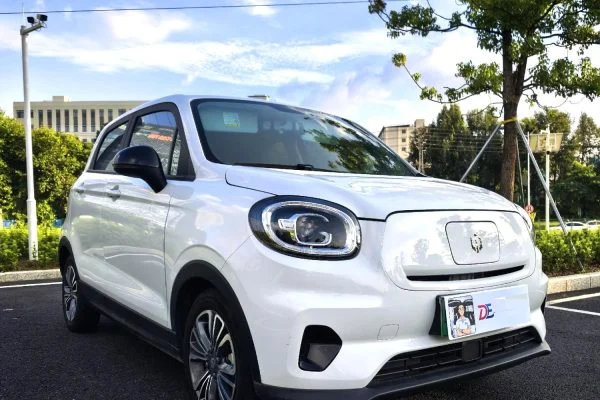
2024 Leapmotor T03 403 Comfort Edition for Sale – 109 hp EV, 403 km Range, Export Ready
- 2024
- 11,000 km
- Automatic
- Electric
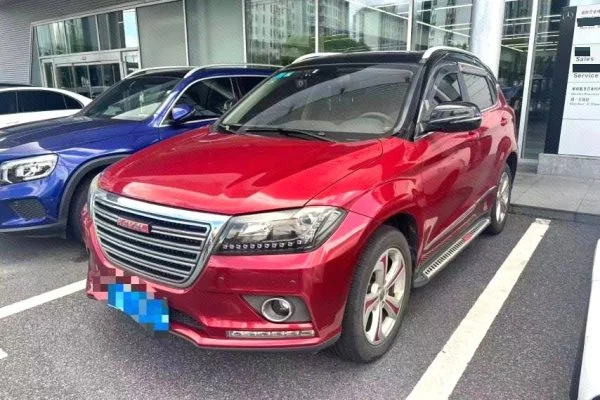
2016 Haval H2 Red Label 1.5T Premium Edition for Sale – 150 hp SUV, 6-Speed AT, Export Ready
- 2016
- 79,000 km
- Automatic
- Petrol