









Used Chinese Car Export Scams 2026: How to Avoid Them
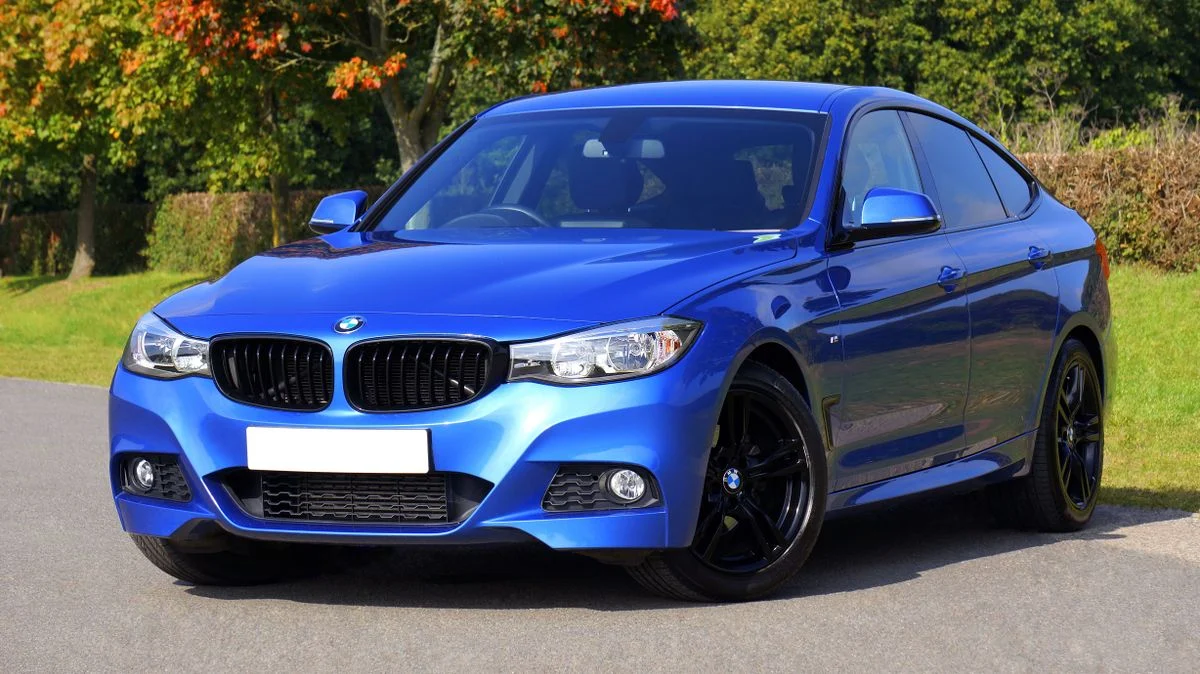
Three scams cause most losses on Chinese used car exports in 2026: deposits paid to unverified dealers, VIN and photo bait-and-switch, and hidden structural damage. Never wire a full payment before an independent inspection and a title check.
Exporting a car from China is a paperwork-heavy process, and complexity is where fraud lives. The buyer is usually thousands of kilometres away, on a different timezone, working in a second language. That gap is the scammer’s whole business model.
What are the most common scams?
Four patterns repeat:
- Deposit fraud: a fake dealer asks for a 30% deposit by bank transfer, then stops replying. Legitimate exporters take deposits against a signed contract with a company registration number.
- Bait-and-switch: glossy photos of one car, then a different car ships. Always request fresh photos with a dated note or a short video walk-around.
- VIN cloning: a clean VIN pasted onto a salvage car. Verify the VIN against the vehicle’s own door jamb, windscreen and chassis stamp.
- Hidden damage: repaired accident cars sold as clean. A paint-depth gauge and underbody photos settle this in minutes.
How do you verify a Chinese dealer?
Ask for the business licence, a company registration number and two recent export references with contact details. A real exporter will send them without drama. Check that the bank account name matches the company name — mismatches are the number one fraud signal. If the deal is only over a personal chat app with no contract, treat it as high risk.
What should an independent inspection cover?
Hire a third-party inspector for anything above $15,000. The inspection should cover structure, paint thickness, battery state of health and a mileage cross-check. On a 2020 Mercedes-Benz E 300 L or a 2023 Cadillac CT5, panel alignment alone hides a lot. An inspection costs $150-$400 and regularly saves five figures.
Which paperwork must you control?
You need the export declaration, the certificate of title, a notarised sales contract and, for the destination, an inspection certificate. Keep the original title in your own hands or with a named escrow agent. A dealer who insists on holding the title “for logistics” is a red flag. Pay by letter of credit or escrow for large deals; bank transfer offers no recourse.
Are expensive cars safer to buy than cheap ones?
No — often the opposite. High-value cars carry bigger deposits and juicier margins for fraudsters. A 2018 Porsche Cayenne or a 2021 Audi A6L attracts exactly the kind of buyer willing to wire a large deposit fast. Slow down on the big tickets, not the small ones.
Key Takeaways
- The top scams are deposit fraud, bait-and-switch, VIN cloning and hidden damage.
- Always match the bank account name to the company name before paying.
- A $150-$400 third-party inspection is your best protection.
- Use escrow or a letter of credit for high-value cars — never open bank transfer.
Related Vehicles
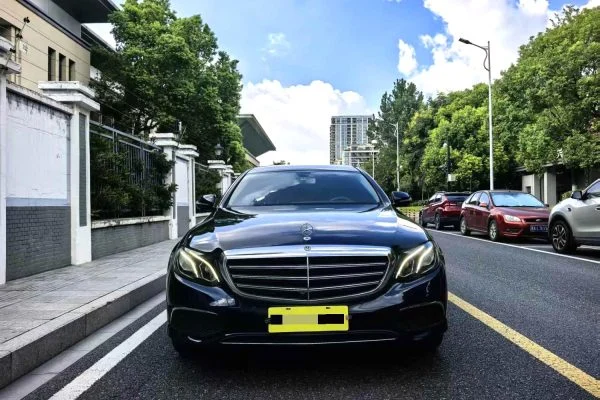
2020 Mercedes-Benz E 300 L Fashion Edition for Sale – 258 hp Executive Sedan, 9-Speed AT, Export Ready
- 2020
- 50,000 km
- Automatic
- Petrol
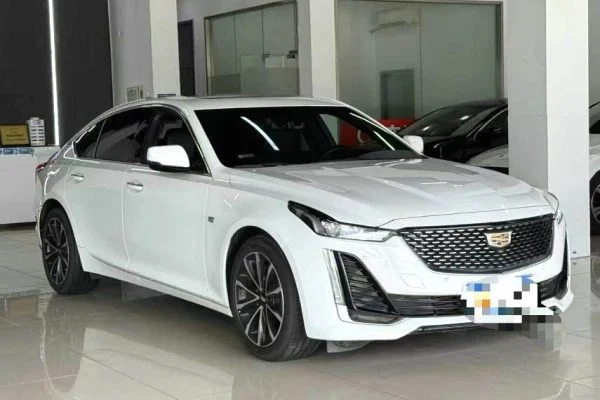
2023 Cadillac CT5 28T Premium Edition for Sale – 237 hp RWD Sport Sedan, 10-Speed AT, Export Ready
- 2023
- 60,000 km
- Automatic
- Petrol

2018 Porsche Cayenne 3.0T US Spec for Sale – 340 hp AWD Luxury SUV, 8-Speed Tiptronic, Export Ready
- 2021
- 60,000 km
- Automatic
- Petrol
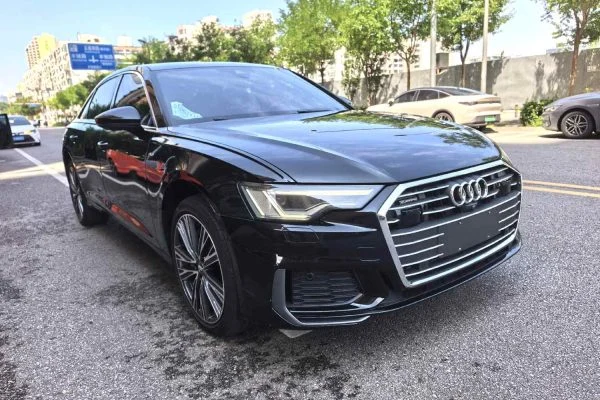
2021 Audi A6L 55 TFSI quattro Zunxiang Dynamic Edition for Sale – 340 hp V6 AWD Executive Sedan, Export Ready
- 2021
- 61,000 km
- Automatic
- Petrol