









Used Chinese EV Range vs Reality in 2026 Exports
Chinese EVs quote range under the CLTC test cycle, which is generous. In real driving, expect 15-30 percent less. So a used car advertised at 600 km CLTC usually delivers 420-480 km in mixed conditions, and less again in cold weather or at sustained highway speed.
This is the single most common source of complaint from overseas buyers of Chinese used EVs. The car is fine; the number on the listing was measured on a different test.
Why is CLTC range higher than real range?
CLTC, or China Light-Duty Vehicle Test Cycle, runs at lower average speeds than Europe’s WLTP or the US EPA test. Chinese cities average around 29 km/h in the cycle, which flatters any electric car because low speed means low drag.
- CLTC: the most optimistic of the three cycles
- WLTP: roughly 10-15 percent below CLTC
- EPA: roughly 20-30 percent below CLTC
- Real highway use: as much as 30-35 percent below CLTC
What does that mean for specific used models?
Take a car quoted at 653 km CLTC. The ARCFOX Alpha T 653S+ carries that figure in its name, but a used example with a healthy pack will realistically cover 450-520 km in mixed driving. That is still a strong result for a 2021 SUV.
The GAC Aion V PLUS 80 Executive is quoted near 600 km CLTC. Expect 430-470 km in practice. At the small end, the Changan Lumin 301km claims 301 km and delivers roughly 220-250 km in city use, which is honest for a car of its size and price.
How much range does a used battery actually lose?
Lithium packs lose capacity with age and cycles. A well-treated LFP pack might be at 94-96 percent health after three years. An NCM pack that has been fast-charged constantly can drop to 88-91 percent in the same period.
For a 500 km car, that difference is 25-40 km of real range. It matters most for buyers who plan long rural routes rather than city commuting.
How do you verify real range before you buy?
Do not trust the dashboard estimate. Ask the seller for a recorded trip showing distance covered against energy consumed in kWh, then divide. A car using 15 kWh per 100 km on a 60 kWh usable pack is a 400 km car, period.
Second, request a BMS state-of-health reading. Anything under 85 percent on an NCM car deserves a discount, and under 80 percent should be rejected for export.
Does a newer platform avoid the problem?
No, but it charges faster, which changes the calculation. A modern 800V car like the Zeekr 007 GT may quote an optimistic range, but it refills quickly enough that the gap matters less on long trips. Fast charging is often a better answer than a bigger battery.
Practical advice: tell buyers the real-world range up front, and quote both CLTC and an estimated real figure in your listings. Setting honest expectations avoids disputes after the car lands.
Key Takeaways
- CLTC range runs 15-30 percent above real-world driving.
- Highway speed and cold weather cut range further.
- A 600 km CLTC car usually delivers 420-480 km.
- Battery health of 85 percent or better is the threshold.
- Quote both CLTC and an estimated real range to buyers.
Related Vehicles
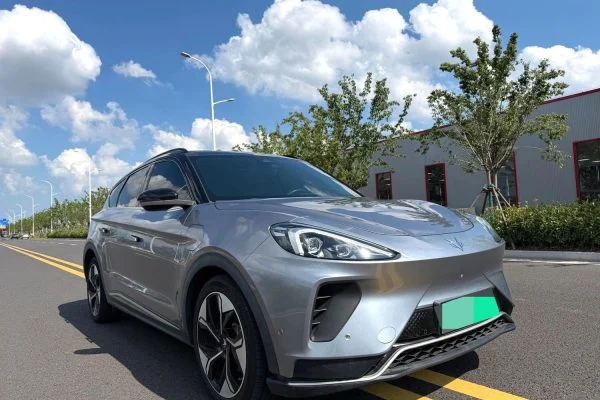
2021 ARCFOX Alpha T 653S+ (175kW / 238HP) Long Range Electric SUV
- 2022
- 88,000 km
- Automatic
- Electric
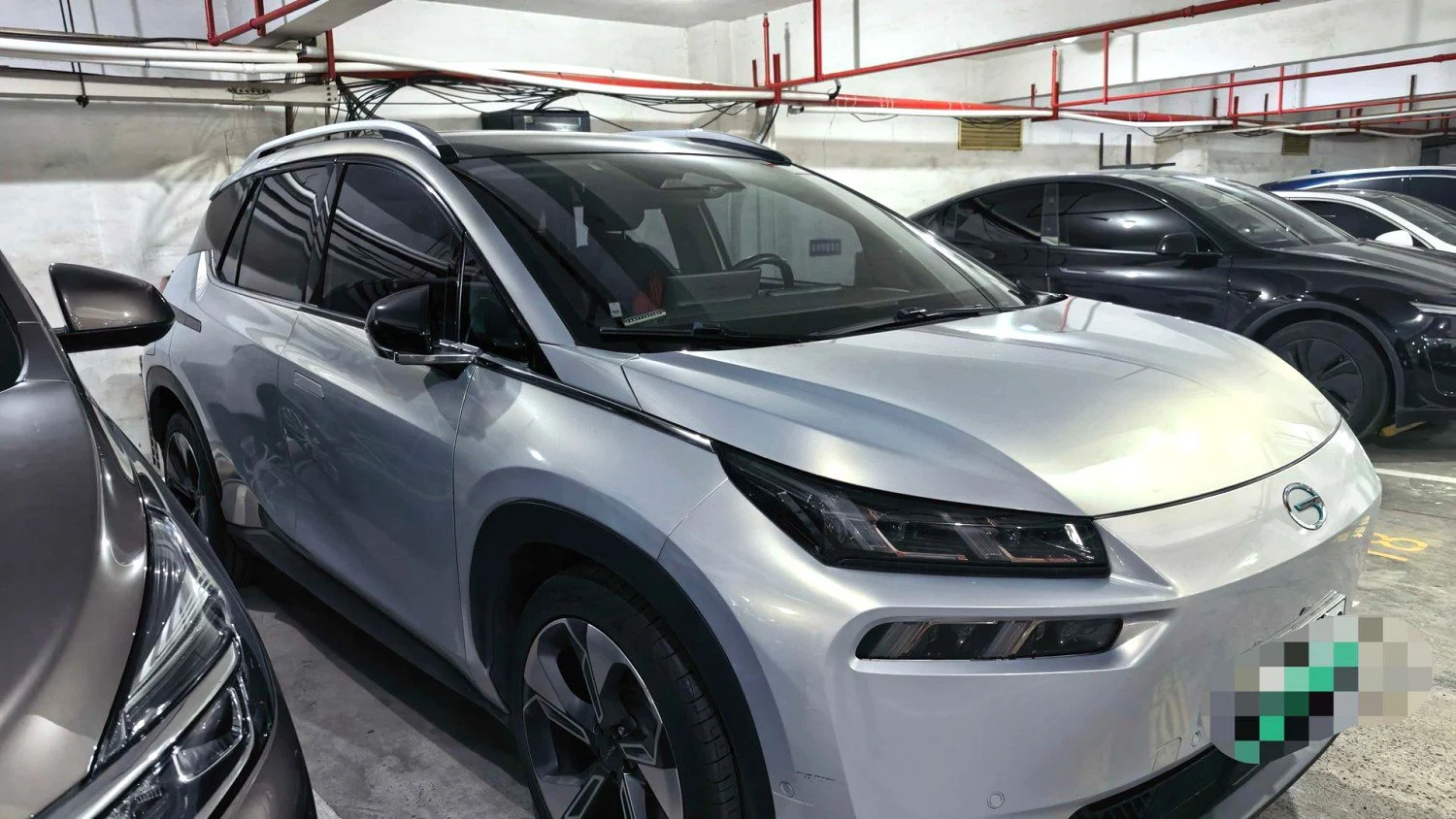
2022 GAC Aion V PLUS 80 Executive | Long Range EV – Super Value @ $28,800
- 2022
- 50,000 km
- Automatic
- Electric
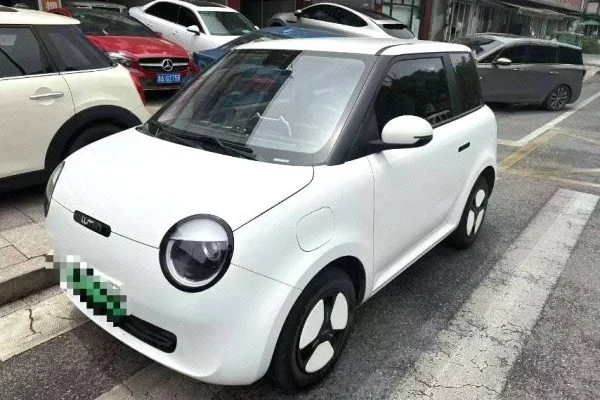
2022 Changan Lumin 301km Mitian Edition (35kW / 48HP) Mini Electric City Car
- 2022
- 18,000 km
- Automatic
- Electric