









China EREV and PHEV Exports in 2026: Buyer Guide
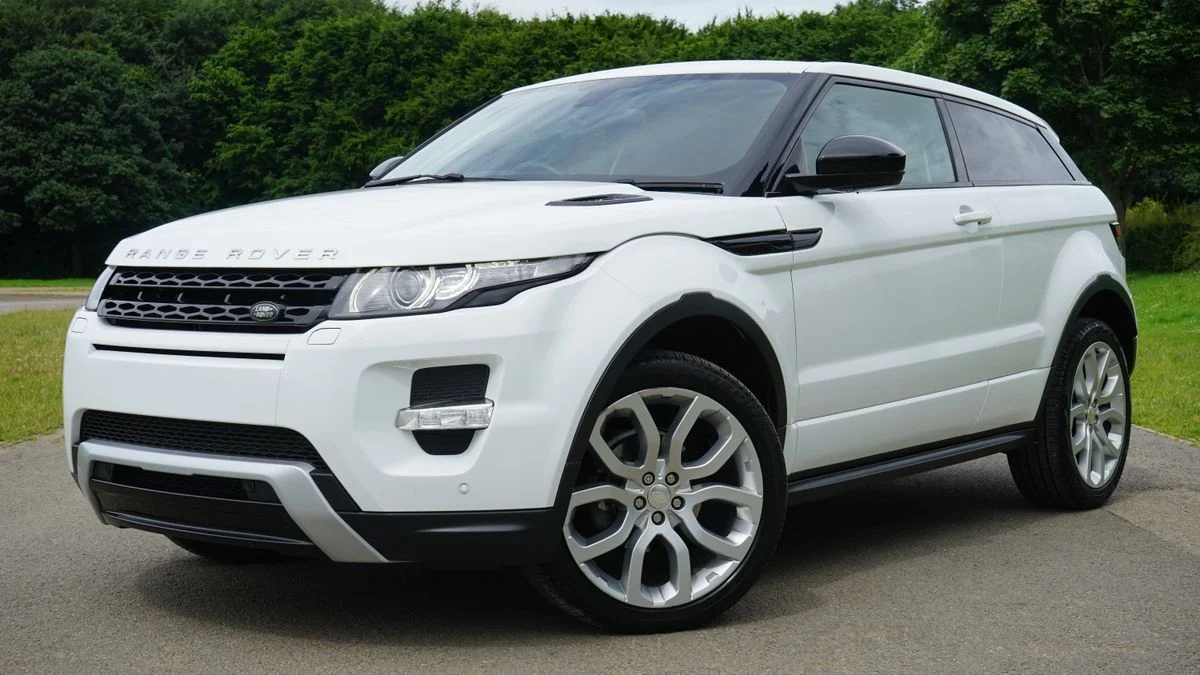
An EREV is an electric car with a small petrol engine that only charges the battery. In 2026 a used Chinese EREV like the Li Auto L7 delivers around 180-210 km of electric range plus another 900 km on fuel, which is why exporters are shipping them to markets with weak charging networks.
The category is growing fast. Chinese buyers who wanted an EV but worried about road trips bought plug-in hybrids instead, and those cars are now entering the used export channel at two-thirds of their original price.
What is the difference between an EREV and a PHEV?
An EREV, or extended-range EV, always drives its wheels with the electric motor. The engine is a generator. A PHEV can drive the wheels with either the engine or the motor, or both. That single design choice changes how the car feels and how it fails.
- EREV: electric drive only, engine acts as generator
- PHEV: engine and motor can both drive the wheels
- EREV example: Li Auto L7 Max, ~$38,000-$45,000 used
- PHEV example: Lynk & Co 07 EM-P, ~$22,000-$28,000 used
How much do used Chinese EREVs and PHEVs cost?
A 2023 Li Auto L7 Max AWD with 449 hp, air suspension and lidar lists around $38,000-$45,000 FOB. That is a lot of car for the money, and the EREV drivetrain means no range anxiety in a country with three public chargers.
Sedans are cheaper. A 2026 Lynk & Co 07 EM-P 126 Ultra with 408 hp and a claimed 1,450 km combined range sells for roughly $22,000-$28,000 used. It is a normal plug-in hybrid, so the engine can drive the wheels directly at highway speed.
Which markets suit plug-in hybrids best?
Markets with fuel infrastructure but poor charging. That means much of Africa, Central Asia, the Middle East and parts of Southeast Asia. In these places an EREV works because the driver refuels normally and plugs in when convenient.
In Europe, the calculation flips. Charging is dense, and plug-in hybrids face tighter emissions rules and, in some cities, lose their low-emission-zone privileges. A pure EV often makes more sense for a European buyer.
What should you check on a used EREV or PHEV?
Two systems, two failure modes. Check the high-voltage battery’s state of health and its charge cycle count, because EREV packs get cycled hard. Then check that the range extender actually starts and holds voltage under load.
Real risk: some EREVs barely use their engine, so the generator can sit idle for a year and seize. A car with 40,000 km of pure-electric driving may have an engine that has run only 3,000 km and never had an oil change. Ask for the engine-hour log.
Is a used EREV a good export buy in 2026?
For infrastructure-poor markets, yes. The AITO M7 Ultra EREV is a strong example, combining a 449 hp AWD system with Huawei driver assistance and a fuel backstop. The main drawbacks are weight, complexity and a vehicle that costs more to service than a simple petrol SUV.
Key Takeaways
- EREVs drive on electricity only; the engine generates power.
- PHEVs let the engine drive the wheels directly.
- Used Li Auto L7 Max runs $38,000-$45,000 FOB.
- Best for markets with fuel but weak charging.
- Check battery health and engine-hour logs.
Related Vehicles
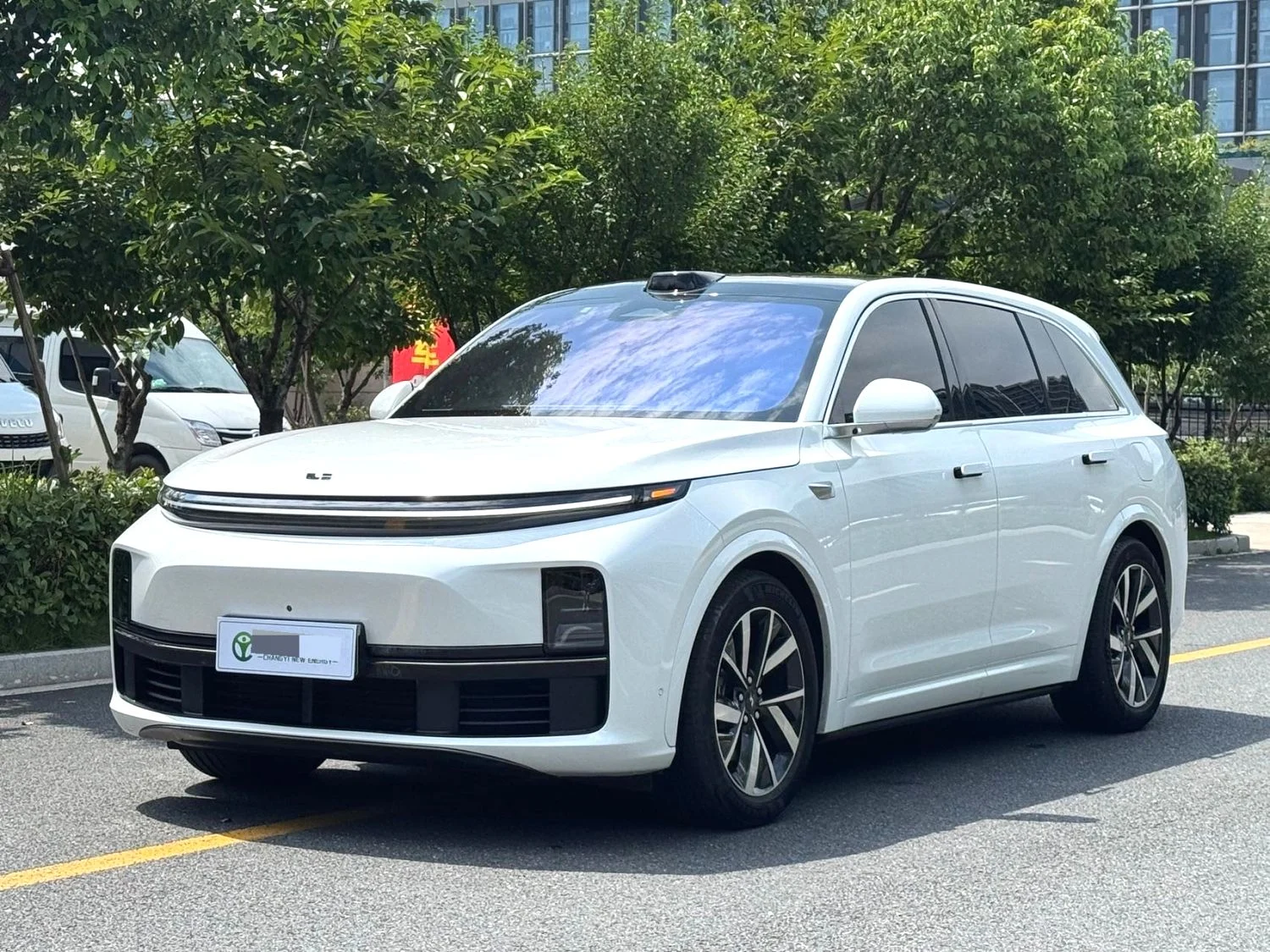
2023 Li Auto L7 Max AWD (449HP EREV / LiDAR & Air Suspension) Luxury 5-Seat SUV
- 2023
- 28,000 km
- Automatic
- Plug-in Hybrid
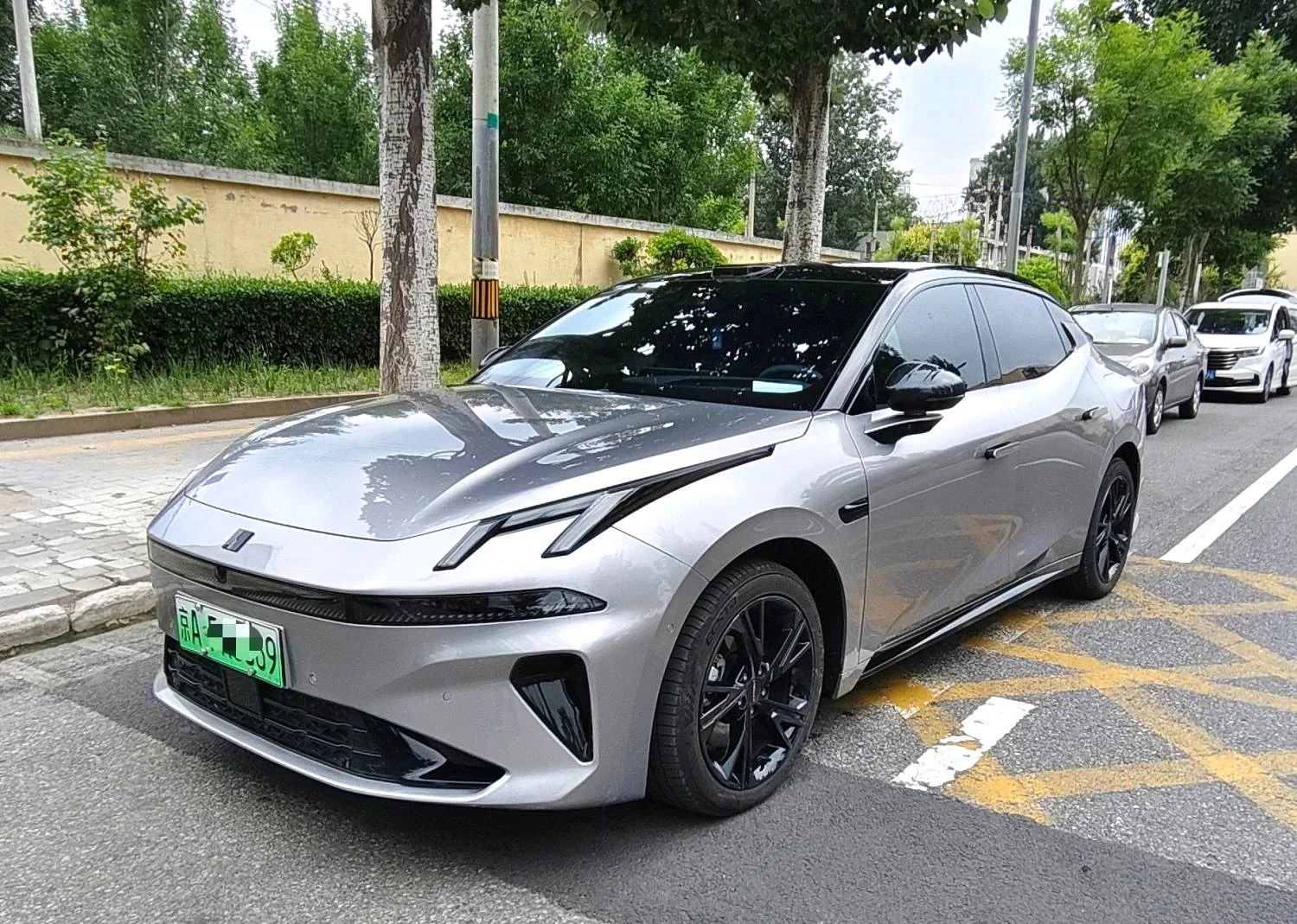
2026 Lynk & Co 07 EM-P 126 Ultra (408HP PHEV / 1450km Range) – Plug-in Hybrid Sedan
- 2026
- 13,000 km
- Automatic
- Plug-in Hybrid
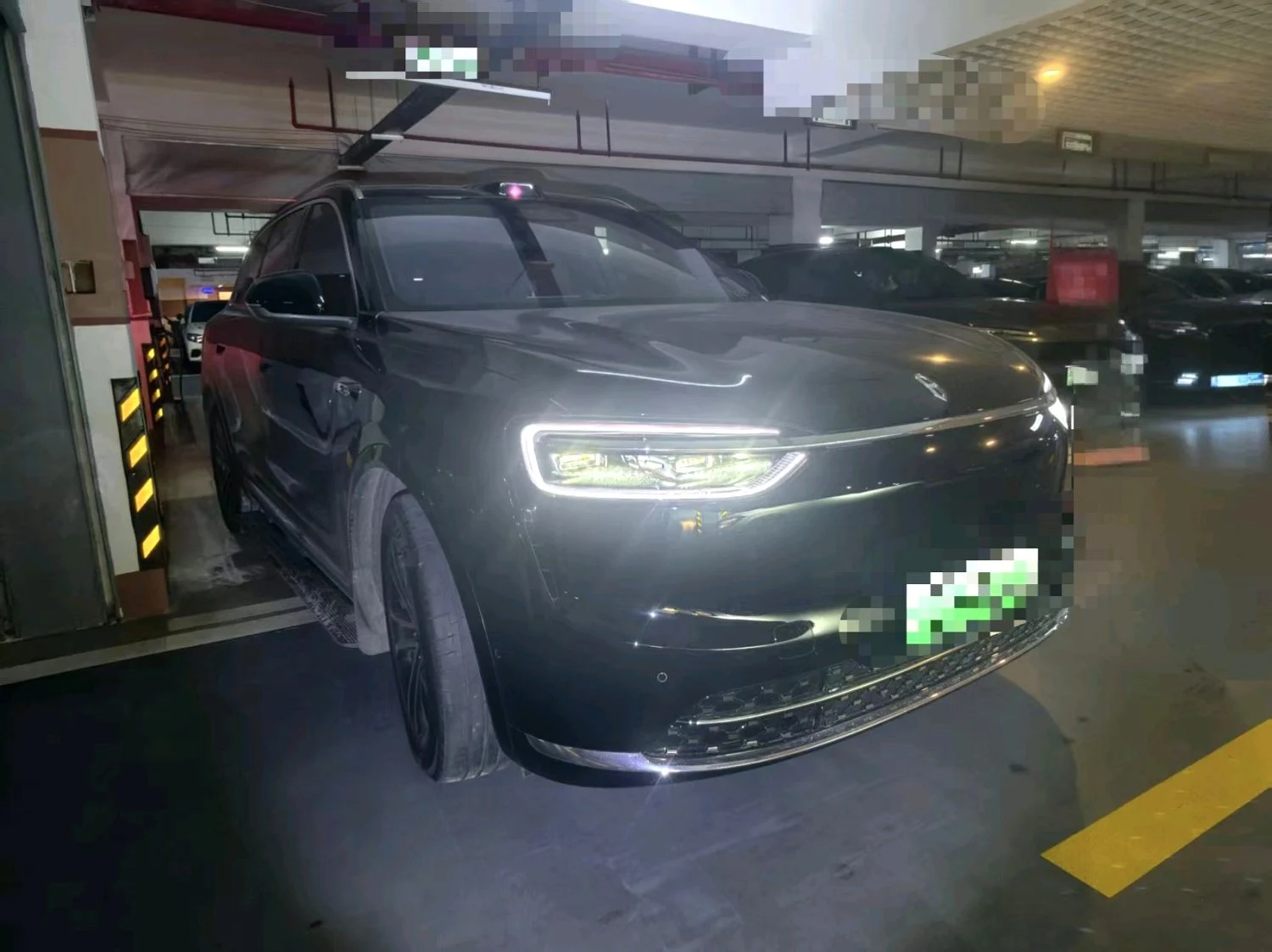
2026 AITO M7 Ultra EREV 4WD (449HP / 192-Line LiDAR) 5-Seater Luxury SUV
- 2025
- 4,000 km
- Automatic
- Plug-in Hybrid